Classic Car Rustproofing: Why Your Vintage Vehicle Needs Modern Protection
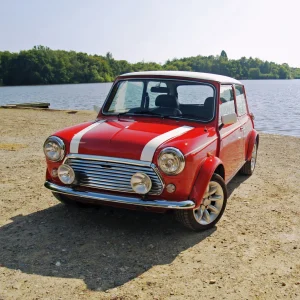
Owning a classic car is a joy like no other. These timeless machines carry not only history, but character and charm that modern cars often lack. Yet, while they look stunning, there’s no denying they come with their fair share of maintenance challenges — one of the biggest being rust. That’s where classic car rustproofing makes all the difference.
Why Classic Car Chassis Are So Vulnerable
Older vehicles weren’t built with today’s rust protection methods in mind. Unlike modern cars, which generally use galvanised steel and factory-applied protective coatings, vintage models often came straight off the assembly line with little to no underbody treatment.
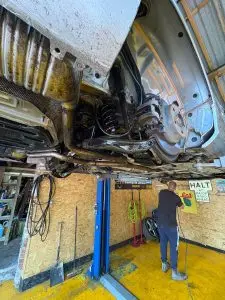
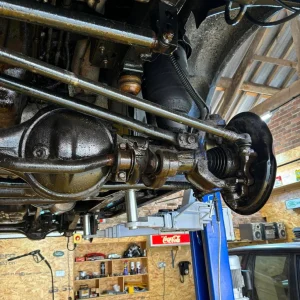
This makes the chassis, especially underneath the car, especially prone to rust. Think about road grit, rainwater, damp storage conditions, and most of all, wintertime salt. All of these sneak into the seams and crevices where water gathers and sits. Classic cars have more complex welding joints and hidden cavities than modern ones too — perfect hiding spots for moisture and rust development.
So when you’ve just finished a beautiful restoration and leave your freshly stripped and cleaned chassis sitting there with no barrier, exposure starts the rusting process almost immediately.
Traditional Rust Protection Methods Don’t Always Cut It
We’ve come a long way since the old days of underseal painting. Traditional rust protection methods for classic vehicles tended to involve black bitumen sprays or basic rubberised undercoats. These may appear to offer short-term coverage but often end up being brittle and cracking, especially when exposed to temperature changes or road vibration. As soon as the surface breaks or chips, water sneaks in behind, worsening the problem over time.
Wax-based rustproofing sprays have been used for years too, but they tend to require frequent reapplication. They also don’t always penetrate deeply into joints and overlaps — exactly where rust loves to form. In many cases, you’re masking the problem instead of preventing it.
What’s more, harsher solutions can attack rubber mounts and plastic trims or interfere with brake lines and bushes. That’s where modern lanolin rust treatment steps in as a better alternative.
The Rising Popularity of Lanolin Rust Treatment
One type of protection we now rely on at Guardian Shield is lanolin rust treatment. Derived from natural wool grease, lanolin is a powerful and environmentally friendly option. It doesn’t just sit on the surface — it soaks deep into metal seams and welds. It’s this deep penetration that makes it so effective for classic car rustproofing, especially when you want long-lasting results on a vehicle with special sentimental or investment value.
Let’s break down why lanolin-based coatings, like the ones provided by Guardian Shield, have become a favourite across industries ranging from marine vehicles to agricultural tools — environments that demand high protection from moisture.
Key Benefits of Lanolin-Based Treatments:
- Water and air repellent for rust prevention at its root.
- Self-healing and non-drying to stay flexible through temperature shifts.
- Safe for contact with rubber, wiring, and plastic parts.
- No cracking, peeling, or flaking.
- Biodegradable and made from natural sources.
These properties make it your vehicle’s best friend when it comes to long-term care, storage, and ongoing maintenance.
How the Rustproofing Process Works
Applying a lanolin rust treatment doesn’t take industrial machinery and an entire workshop. All it takes is a bit of preparation, some decent workspace, and the right protective coating product.
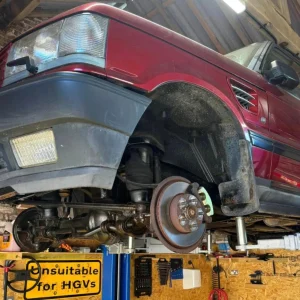
To begin, you’ll want to thoroughly degrease and clean your chassis. If you’ve recently had blasting or welding work done as part of a restoration, you’re already halfway there. From this point, our team at Guardian Shield can apply lanolin-based rustproofing using low-pressure spray equipment that creates minimal mess. It can also be brushed on for tighter spaces.
The process is perfect for:
- Classic saloons and sports cars
- Vintage Land Rovers and vans
- Restored chassis before road use
- Stored vehicles which aren’t driven in wet weather often

One great thing about this method is it protects existing rust as well. Lanolin isn’t just for bare-new metal. It creeps into oxidised spots and covers them, cutting off further oxygen to halt the spread.
Why Classic Car Rustproofing is a Long-Term Win
Let’s be honest. If you’ve poured your time and wallet into a restoration, you don’t want to watch your investment silently waste away from beneath. Regular lanolin protection keeps you from needing fresh welding jobs every few years.
Once applied, lanolin treatment sticks around. While most cars benefit from reapplication once a year or so, especially if they see regular road use, some vehicles kept in dry conditions may be fine for longer. The flexibility and non-perishing nature of the treatment means it won’t need patch jobs or scraping off before reapplication either.
Keeping your metalwork healthy also means peace of mind when going for MOTs or resale down the line. Structural rust is one of the main causes of failure and decreased value. Preventing that saves you time and expense.
Trusted in Harsh Environments – Perfect for Classics
We’ve seen these protective coatings work on tractors, boat trailers, 4×4 mud runners, and industrial vehicles that have it tougher than most classic cars ever will. That tells you something about the toughness of the Lanoguard treatment we use here at Guardian Shield.
Farmers rely on it to stop rust from forming on exposed machinery through wet winters. Off-roaders count on it when bouncing through mud, snow, and salt-laden trails. If protection can withstand that, it’ll handle salty roads and damp British garages without a problem.
With classic cars often sitting for long weeks or months unused, you don’t want moisture creeping into chassis cavities. Even without regular driving, condensation alone can build up and cause rust from the inside out. A treatment that keeps moisture out of seams and boxed sections helps combat this, even for vehicles in storage.
FAQs About Classic Car Rustproofing
How often should rustproofing be reapplied?
For regularly used cars, every 12 to 18 months is ideal. For vehicles mostly stored and protected from heavy weather, every two years is sufficient.
Can I do the rustproofing myself?
Yes, many lanolin treatments are DIY-friendly. However, for best results on valuable classic vehicles, booking a professional application is recommended. Guardian Shield offers application services to make sure every seam is reached. See availability on our booking page.
Does the treatment drip or smell?
Once set, lanolin-based products won’t drip or leave puddles. They have a mild, wool-like scent during application that fades quickly.
Will the treatment harm rubber or paintwork?
Not at all. Lanolin is safe on most vehicle materials, including rubber bushes, electrical wiring, plastics, and even paint.
Can it be used on top of existing rusted areas?
Yes. One of the biggest strengths of lanolin treatment is that it bonds to rust and stops the oxidation process by sealing out air and moisture.
Give Your Classic Car the Protection It Deserves
Classic vehicles deserve special care, and protecting them from rust is a big part of that. While traditional methods can fall short, modern lanolin-based options offer reliable protection that works deeply and lasts longer. With proper classic car rustproofing, your vehicle’s chassis can stay strong and corrosion-free for years.
At Guardian Shield, we’re vehicle lovers too. Our commitment lies in making sure classic cars can keep turning heads on roads across the UK. Treat your car to proper care, and give rust the elbow it deserves.
Book your rustproofing today and keep your pride and joy protected the modern way.