Commercial vehicle rust protection is one of the easiest ways to keep your vans, trucks and buses earning money instead of sitting in a workshop. Rust starts quietly, often out of sight, and by the time you spot it, the repair bill can be large. At Guardian Shield, we want to show you where rust begins, why working vehicles suffer most, and what a smart protection plan looks like.
Why commercial vehicle rust protection matters for fleets
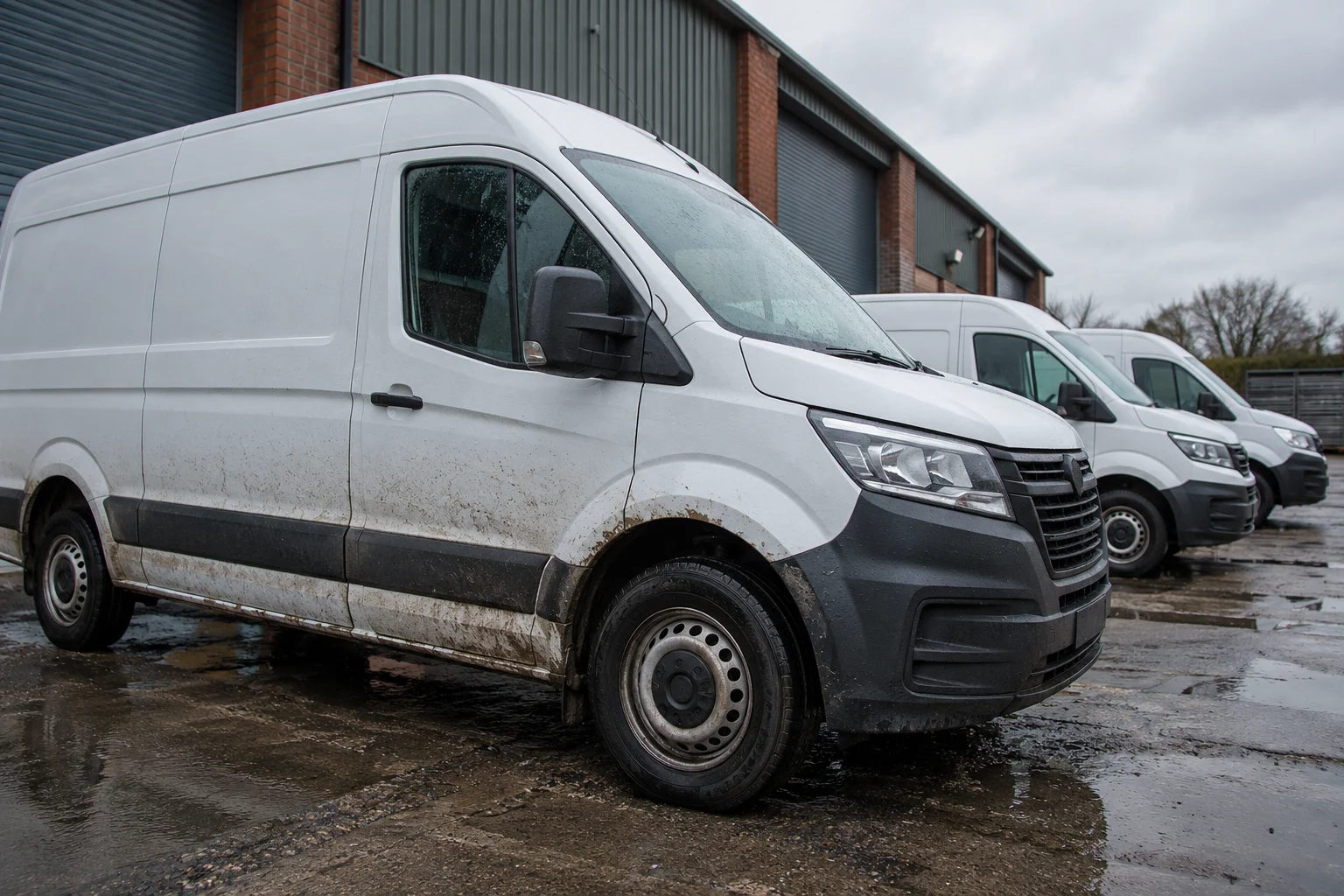
A private car might do a few thousand miles a year and spend its nights in a garage. A fleet vehicle lives a very different life. It covers far more miles, drives in every kind of weather and rarely gets a long, careful clean. All of that adds up to more contact with road salt, grit and water.
- Higher mileage means more spray and more salt hitting the underside.
- Heavy loads and rough sites cause stone chips that break through paint and coatings.
- Stop-start delivery work keeps wheel arches and sills wet.
- Busy schedules mean washing often gets pushed aside.
The result is simple. Moisture finds a tiny gap, sits on bare metal and slowly eats away at it. For a business, that means repair costs, failed MOTs, lower resale value and, worst of all, vehicles that are not out earning. Taking the time to think about choosing Lanoguard rust protection before problems appear is far cheaper than fixing corrosion after it spreads.
Where rust strikes first on vans and trucks
Knowing the weak spots helps you check the right places. On most commercial vehicles, we see trouble start in the same few areas.
The chassis and underside
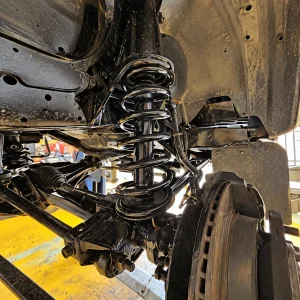
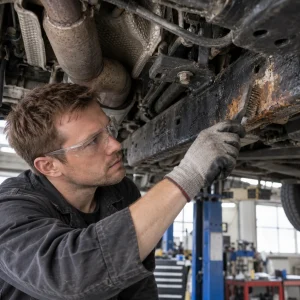
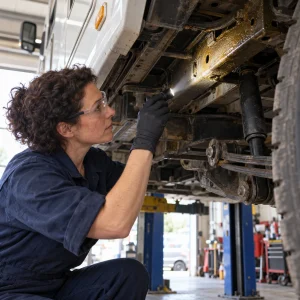
The chassis rails, floor pans and crossmembers take a constant battering from water, mud and salt. Hidden corners such as spring hangers and air tanks collect dirt and stay damp for days. A quick rinse from above rarely reaches them.
Suspension mounting points are just as important, because they carry the weight of the vehicle and any load on top. If you want to understand why this matters, read about how Lanoguard protects suspension and chassis components from the damage that salt and moisture cause.
Arches, sills, doors and pipes
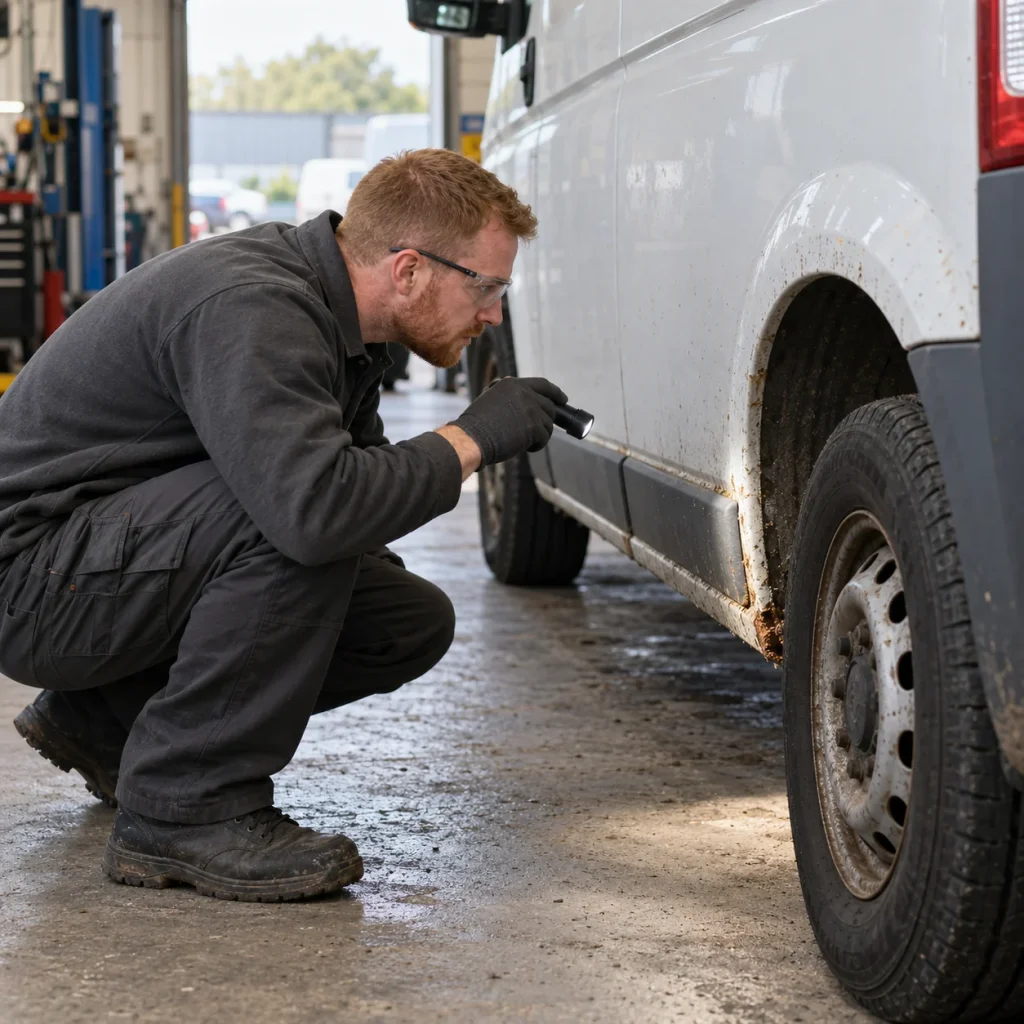
Wheel arches and sills are hit by stones all day long, so paint chips and rust bubbles often appear within a few years. Door bottoms are another trouble spot, because water collects inside the door and rusts it from the inside out. Brake lines and fuel lines are easy to forget during inspections, yet corrosion on them can lead to serious faults, especially after a salty winter.
Fleet rustproofing that lasts through the winter
Good fleet rustproofing is not one single job. It is a routine that mixes cleaning, checking and professional treatment. Here is how we suggest you build it.
- Wash the outside weekly in winter, and include the wheel arches.
- Clean the underside with a high-pressure or steam wash each month, paying attention to hidden corners.
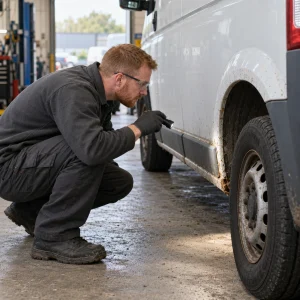
- Do a quick visual check for bubbling paint or flaking metal every quarter.
- Give every vehicle a proper underside inspection after winter, once the salt has gone from the roads.
- Review the protective coating each year and touch up any worn patches.
Cleaning removes salt, but it does not stop new salt arriving. That is where a protective coating comes in. A well-applied underbody coating forms a barrier between the metal and the water, while cavity wax flows into seams and closed sections where you cannot easily reach. If you want to know why some coatings hold up better than others, our guide explains why underbody rust protection lasts longer when it is chosen and applied properly.
If rust has already appeared, do not panic. Surface rust can be dealt with if you act quickly. The usual steps are to clean the area, brush or sand back to bright metal, apply a rust converter, prime, and then seal the repair with a protective coating. Leave it too long, and the metal can rust right through, which means welding or panel replacement.
Preparation matters as much as the coating itself. Before any treatment, sensors, wiring, brake parts and exhaust components should be masked so the product only goes where it should. A careful, professional job protects the vehicle without upsetting its electrics. Operators based in Cheshire can find out more about Lanoguard Cheshire for underbody rust protection in their area.
It also helps to keep simple records. Note the date of each treatment and inspection for every vehicle, and keep photos if you can. Buyers like to see a clear history when you sell, and your own team can spot patterns, such as one route that causes more wear than others.
FAQs
How often should we check fleet vehicles for rust?
A quick visual check every quarter is a good habit, with a full underside inspection after each winter. Vehicles that work on coastal routes, building sites or farms may need checking more often, because the conditions are tougher.
Can rust protection damage sensors and electrics?
Not when it is done properly. Experienced technicians mask sensors, connectors and wiring before applying any product. Badly applied do-it-yourself treatments are where problems usually start, so we recommend leaving fleet vehicles to the professionals.
Is it too late if rust has already started?
Usually not. Surface rust can be cleaned, converted and sealed to stop it spreading. If the metal has already rusted through, repairs will cost more, which is why early action is so valuable.
Keep Your Fleet Protected with Guardian Shield
Fleet vehicles work hard, and salt, water and grit never take a day off. Regular washing, quarterly checks and a quality protective coating will keep your vehicles safer, cheaper to run and worth more when you sell them. The earlier you start, the more metal you save.
Ready to protect your fleet? Talk to the Guardian Shield team today, and find out how a Lanoguard treatment can help your vans, trucks and buses stay on the road and out of the workshop.