A lanoguard underbody coating gives the hidden side of your vehicle the protection it rarely gets from the factory. Road salt, spray and damp air attack chassis rails, sills and seams every winter, and you often cannot see the damage until it is serious. At Guardian Shield, we like to explain the product in plain terms, so you know what you are paying for and what to expect.
How a lanoguard underbody coating works
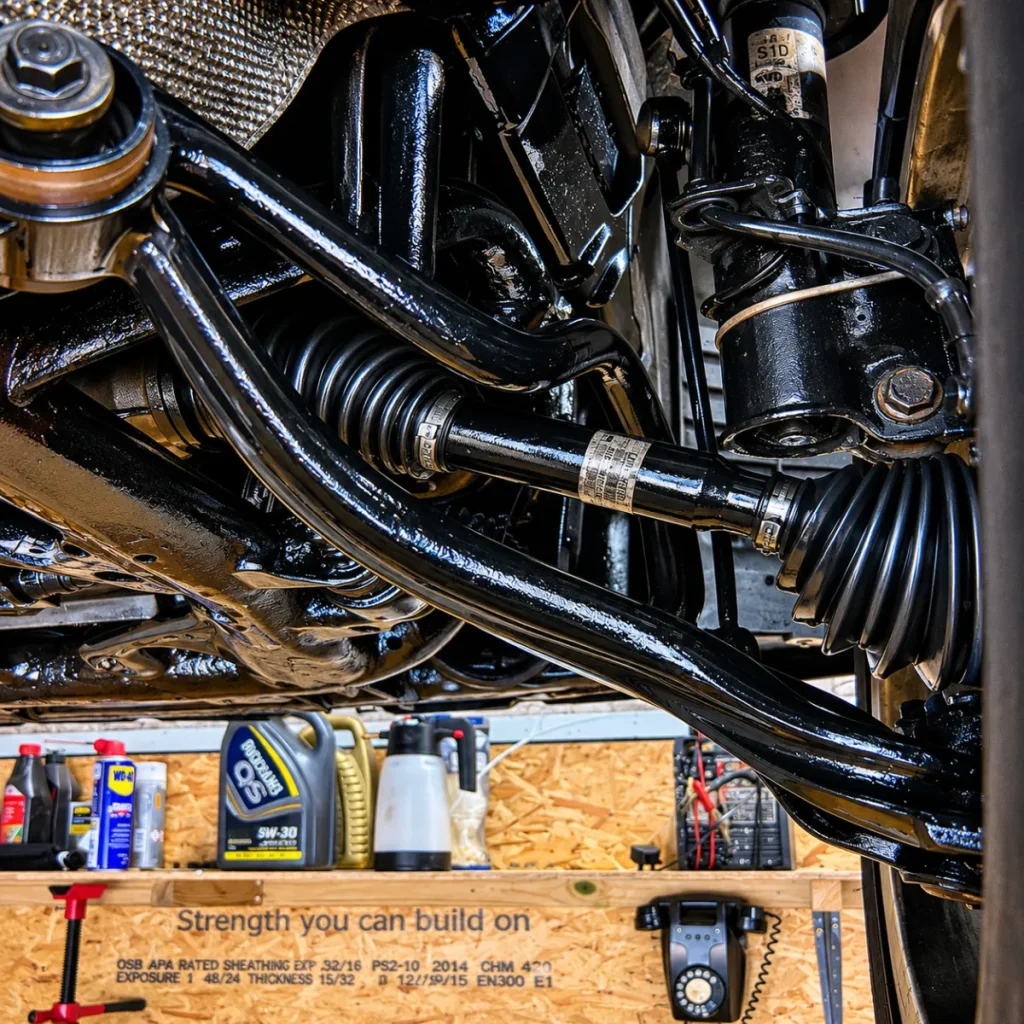
Lanoguard is a UK-made treatment based on lanolin, a natural wax that comes from sheep’s wool. Rust needs two things to form: moisture and oxygen. The coating spreads over the metal, creeps into seams and joins, and forms a seal that pushes both of them away.
Because the product stays soft and flexible, it does not crack or dry out like many hard coatings do. If a stone chips it, the lanolin slowly creeps back over the small mark, which is why we call it self-healing. It does not evaporate, and road spray or a jet wash will not shift it. You can read more about the full service on our Lanoguard treatment page.
The coating is also safe on rubber, plastics, brake lines and electrical connectors, which matters a lot under modern cars. Many owners ask about why it lasts longer than the old black underseal products. The simple answer is that it keeps working with the metal instead of sitting on top and splitting. We keep it away from the exhaust system, as that part gets far too hot for any underbody product.
Preparation for underbody rust protection
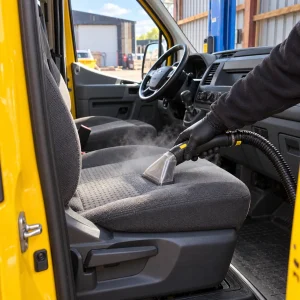
Good underbody rust protection is mostly about preparation. A fast spray over a dirty chassis will not last, because the product needs a clean, dry surface to grip. At Guardian Shield, we follow a clear order of work:
- Wash and steam clean the whole underside, then let it dry fully.
- Wire brush any loose rust, flaking paint or old coating away.
- Brush thick Lanoguard grease onto welded seams and other weak spots.
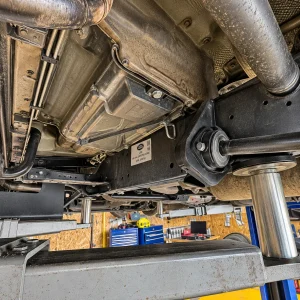
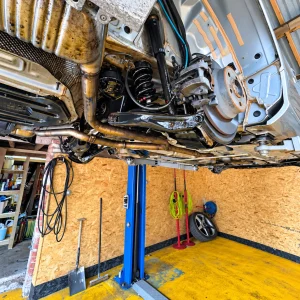
- Inject the product into chassis rails and box sections, where moisture hides.
- Spray a full coat over the entire underbody.
After that, the coating needs time to cure before the vehicle goes back on the road. This is why we plan for the vehicle to stay with us for around two days. Driving too soon could spoil the bond, so we never rush this stage.
It helps to be honest about rust that is already there. Sound, stable surface rust can be treated once the loose pieces are removed, and the coating then locks out the moisture that feeds it. It is not a cure, though, and heavy rust must be repaired first. If you want reassurance on this point, our article on choosing Lanoguard for peace of mind explains it well.
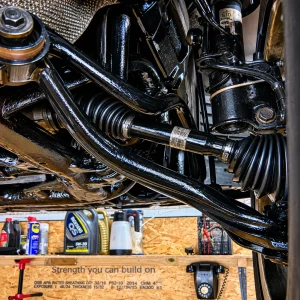
Suspension parts take a real beating from wheel spray, so they deserve special attention. We explain how we protect suspension and chassis components in a separate guide.
When a lanoguard underbody coating is the right choice
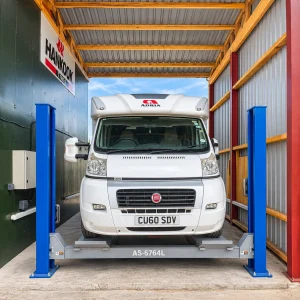
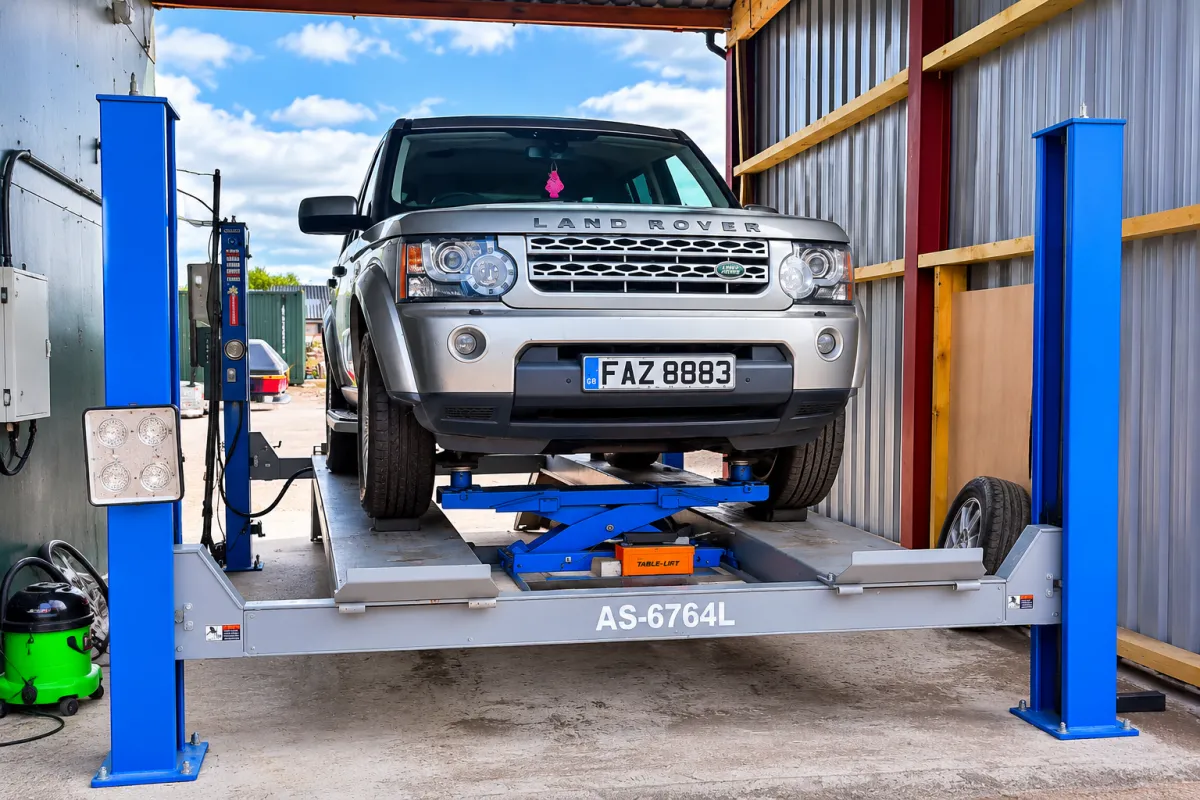
This type of coating suits a wide range of vehicles. Daily drivers that face salted roads all winter gain a lot from it, and so do 4x4s, pick-ups and vans that see mud and heavy use. Motorhomes and campers that sit for months also benefit, because condensation inside sills and body mounts can quietly cause damage.
New or lightly corroded vehicles get the most from it, but older vehicles can too, as long as the preparation is done properly. Age and mileage do not matter as much as the condition of the metal. Another plus is that the finish is clear. It may darken the metal a little, but you and your MOT tester can still see the condition of the chassis. It does not hide problems, so it is no substitute for proper repairs.
Maintenance is simple. You wash the vehicle as normal, and we suggest a check after every winter. Daily drivers usually need a top-up about once a year, mainly on the leading edges of arms and brackets that take the most spray. Cars that are used less often can go longer, and some owners see protection last up to two years. If you live in the north west, our page on underbody rust protection in Cheshire has local details.
FAQs
Can Lanoguard go over existing underseal?
Often it can. If the old underseal is clean, dry and firmly stuck to the metal, the new coating can usually go over it. If it is flaking, bubbling or loose, we remove it first, because a weak layer underneath would let the new coating fail.
Does it stop rust that has already started?
It will not reverse rust, but it does slow it right down. On sound surface rust, the coating cuts off moisture and oxygen, so the rust has little chance to spread. Heavier corrosion needs proper repair work before any coating goes on.
How often does it need a top-up?
For a vehicle used every day, we suggest a top-up about every twelve months. Weekend cars and stored vehicles can often go longer, but a yearly check is still a good habit. A quick look after winter shows us whether any areas have thinned.
Protect Your Chassis with Lanoguard Before Rust Takes Hold
A lanoguard underbody coating is a flexible, self-healing barrier that keeps moisture and oxygen away from your vehicle’s metal. It works best when the underside is cleaned, prepared and injected properly, and when it is topped up on a sensible schedule. It will not fix heavy rust, but it can stop small problems from becoming big ones.
If you would like Guardian Shield to look after your chassis this year, we would love to help. Just book your appointment, and we will confirm the details with you. Protect the parts you cannot see before winter does the damage for you.