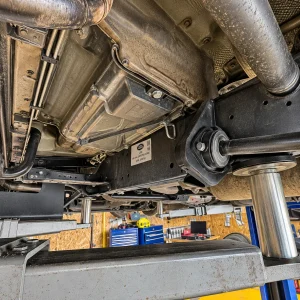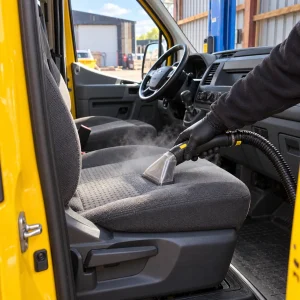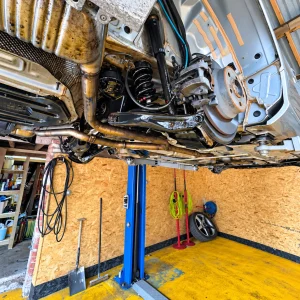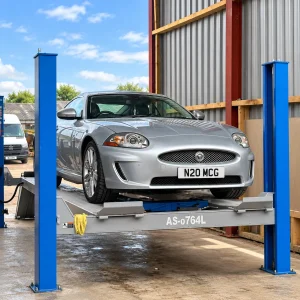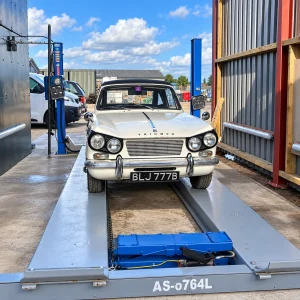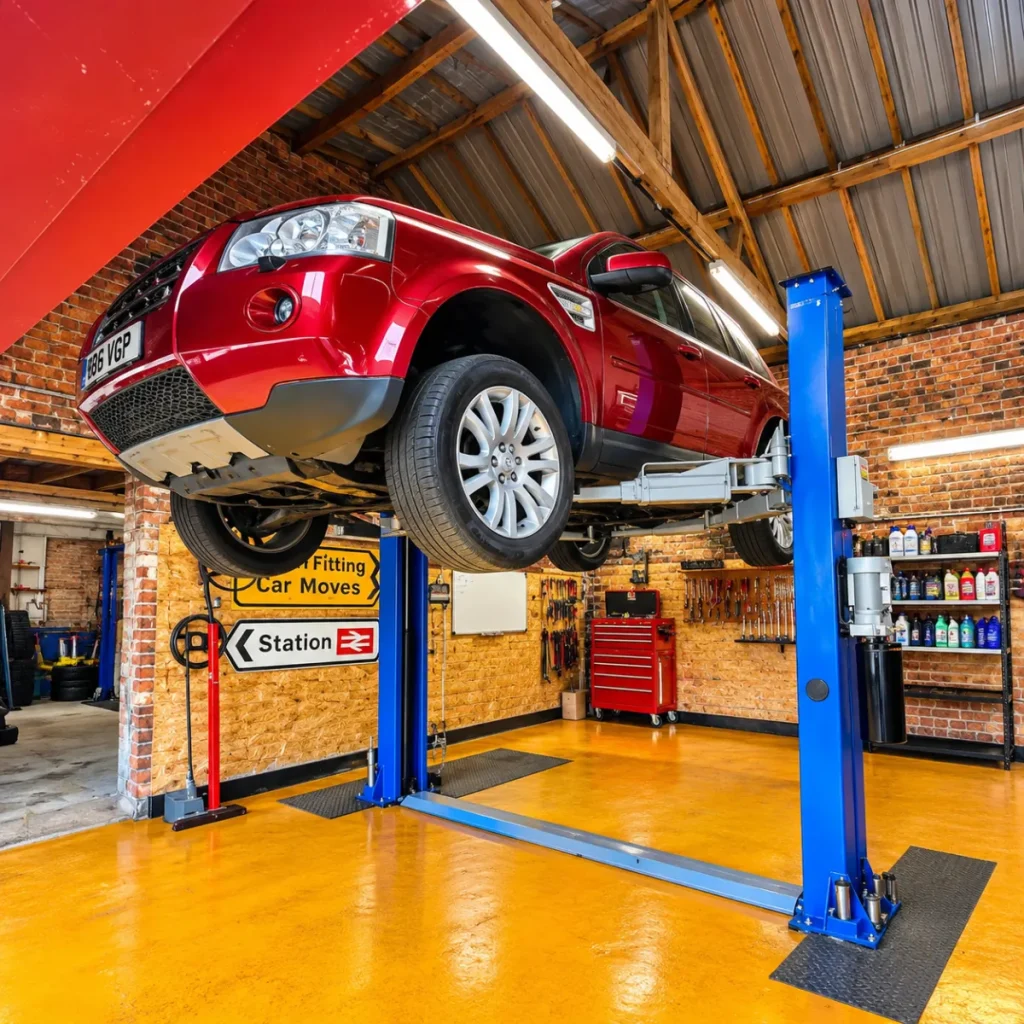
Classic car chassis cleaning is the first and most important step in keeping an older vehicle safe from rust. Underneath your pride and joy, mud, old grease and road salt can sit for months, holding damp against the metal and quietly causing damage. At Guardian Shield, we see it all the time, and we want to show you why a proper clean makes such a difference.
Why classic car chassis cleaning matters
Think of your chassis as the skeleton of your car. Everything else is bolted to it, so if it weakens, the whole vehicle suffers. Older cars were built long before modern rust prevention became normal, which means their steel is often bare in places that today’s cars have well sealed.
Dirt is the real enemy here. A thick layer of mud acts like a wet sponge, soaking up rainwater and keeping it pressed against the steel. In the UK, winter roads make things worse, because salt mixes with that moisture and speeds up corrosion. Rust can then creep along seams, behind brackets and inside box sections where you cannot see it.
There is also a simple practical reason to clean first. You cannot judge the health of a chassis if it is covered in grime. A clean underside lets us spot small patches of surface rust, weeping seams and worn areas before they turn into costly repairs. It is much easier to fix a small problem than a large one.
Cleaning also matters for any protection that follows. Treatments need to touch the metal itself to work well. If they are applied over dirt, grease or loose flaking rust, they cannot grip properly, and the finish will not last as long as it should. That is why we always treat cleaning as part of a bigger plan for classic car chassis protection, not a separate job.
What good classic car chassis cleaning involves
A careful clean is not just a quick blast with a hose. It takes patience, the right tools and a steady eye. Here is how the process usually works:
- The car is raised safely, so every part of the underside can be reached and seen clearly.
- Loose mud and dried-on dirt are softened and removed, working gently so that nothing delicate is damaged.
- Grease and oil are broken down with a suitable cleaner, then rinsed away.
- The whole underside is dried thoroughly, including seams, corners and hidden pockets.
- The chassis is inspected closely, with notes made of any rust, thin metal or damage.
Pressure matters. Very harsh washing can force water into places where it will sit, and it can strip away good coatings that are still doing their job. On the other hand, too light a wash leaves stubborn dirt behind. Finding the right balance takes experience, and it changes from car to car.
Drying is the step people most often rush. Water trapped in a seam can start the rusting process all over again, even after a very clean wash. We make sure everything is properly dry before moving on, because treating damp metal only locks moisture in.
What happens if we find damage
Sometimes a clean reveals things that were hidden for years. That is not bad news, it is useful news. Once we can see weak or thin steel, we can plan the right fix. Where metal needs attention, our car repairs service can sort out the problem so the chassis is sound before any protection goes on. Sealing over a weak area simply hides it, so repairs always come first.
From clean steel to lasting classic car rustproofing
Once the chassis is clean, dry and sound, it is ready for protection. This is where classic car rustproofing really earns its keep. A good treatment forms a barrier between the steel and the water, salt and air that cause rust. It also needs to reach awkward places such as box sections and tight corners, where rust loves to start.
We use our Lanoguard treatment for this stage. It is designed to coat the underside and help keep moisture away from the metal, giving older cars the kind of defence they never had when they left the factory. Because it goes onto a freshly cleaned surface, it can do its job properly.
Cleaning and protection work as a pair. A beautiful treatment on a dirty chassis will fail early, and a spotless chassis left bare will start to rust again. Doing both together, in the right order, gives you the best chance of keeping your car solid for many more years.
Keeping the chassis in good shape
After treatment, a little regular care goes a long way. Rinse off salt and mud after winter drives, keep an eye out for chips or scrapes underneath, and arrange a yearly check. A quick look each year lets small issues be touched up before they spread. It is a bit like a dental check, short and simple, but it saves a lot of trouble later.
FAQs
How often should a classic car chassis be cleaned?
At the very least, it should be cleaned once a year, ideally after winter when salt and mud have built up. If your car is driven often on wet or gritty roads, you may want to rinse the underside more regularly. A yearly inspection is also wise, and you can book an appointment whenever you are ready.
Can I clean my chassis at home?
You can remove loose mud with a gentle rinse, and that is better than leaving it. However, a full clean needs the car raised safely, plenty of access, and proper drying. Home cleaning is useful for upkeep, but a professional clean is the best way to prepare for rust protection.
Is a clean chassis enough to stop rust?
No. Cleaning removes the things that encourage rust, but bare steel can still corrode once it meets damp air again. A protective treatment is needed to keep moisture away over the long term.
Will cleaning show me how bad my chassis is?
Yes, and that is one of its biggest benefits. With the dirt gone, we can check seams, joints and panels clearly and tell you honestly what condition the chassis is in.
Protect Your Classic Car with Expert Chassis Cleaning and Rust Protection
A clean chassis is the base for everything else. It lets you see the true condition of your car, it removes the salt and grime that feed rust, and it gives any protection the best surface to stick to. Careful washing, thorough drying, a close inspection and prompt repairs all play their part, followed by a proven treatment to seal the job.
If you would like your classic looked after properly, Guardian Shield is ready to help. Tell us about your car and what worries you, and we will suggest the right plan. You can contact us today to talk it through, and let us help keep your classic strong, solid and on the road.