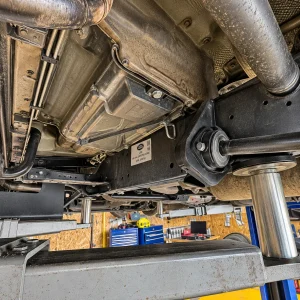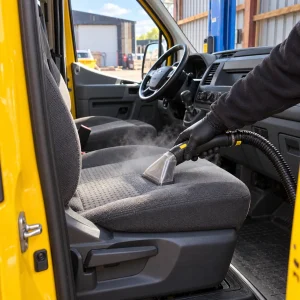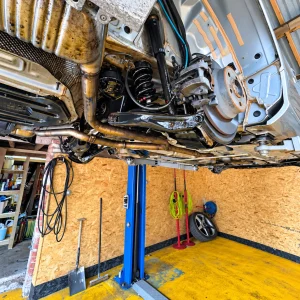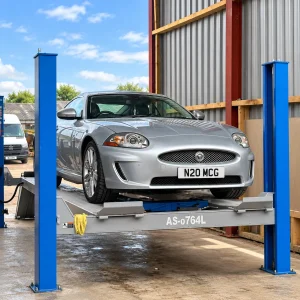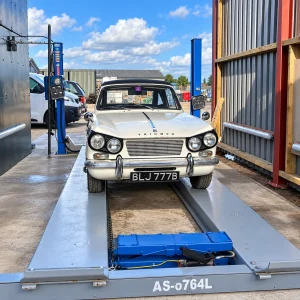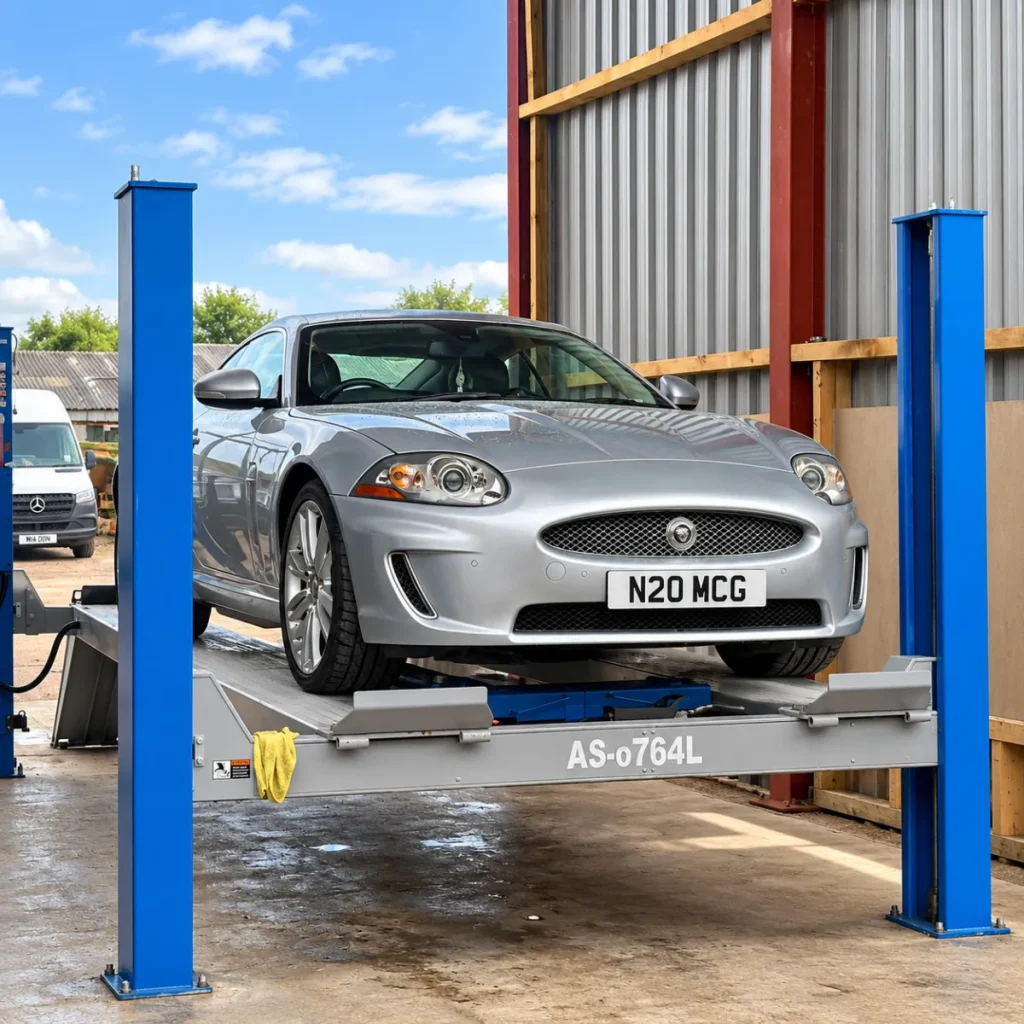
If you want a deep clean without water, harsh chemicals or damage to the surface underneath, a dry ice blasting service is well worth a close look. At Guardian Shield, we use this method to lift dirt, grease and grime from awkward places, especially the underside of vehicles. In this guide, we explain how it works, where it helps most and what to check before you book.
What a dry ice blasting service involves
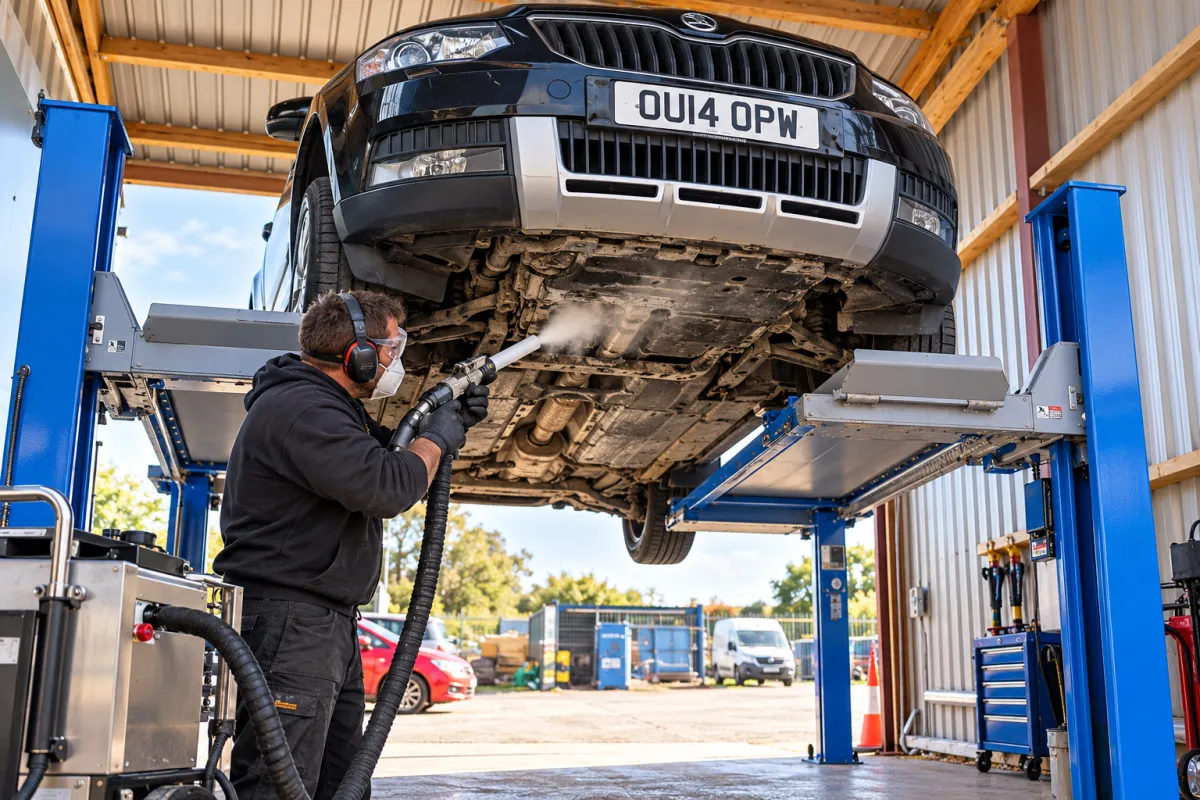
A trained technician uses a machine that fires small pellets of solid carbon dioxide at a surface, pushed along by compressed air. The pellets are extremely cold. When they hit the surface, they turn straight from a solid into a gas. That means there are no puddles, no sludge and no heap of used material to sweep up afterwards. Only the dirt that came off the surface is left behind.
Because the process is dry, it suits places where water causes trouble. Think of tight gaps, electrical parts, old metal and anything that must be back in use quickly. For vehicles, it means we can clean the chassis, wheel arches and suspension parts without soaking them first. Our ice blasting treatment is built around exactly this idea.
Vehicles are only one use. A good service can also help with:
- Industrial machinery and production lines
- Electrical housings and workshop equipment
- Wood, stonework and heritage pieces
- Graffiti, paint and sticky residue
- Boats, farm machinery and plant equipment
- Surfaces marked by fire and smoke
The common thread is simple. Each job needs a thorough clean that does not wear away what you are trying to save.
How dry ice cleaning works step by step
The idea behind dry ice cleaning is easy to follow once you break it down. Here is what happens during a typical job.
- Loading: The dry ice pellets go into the blasting machine.
- Speeding up: Compressed air carries the pellets down the hose and out of the nozzle at high speed.
- Impact: The pellets hit the dirty surface. The sudden cold makes grime, grease and old coatings brittle, so they crack and loosen.
- Lifting: The pellets turn into gas in an instant. This tiny burst of expansion helps to lift the loosened dirt away.
- Clearing up: The dirt that came off is collected. There is no dirty water to deal with and no extra waste from the cleaning material.
Dry ice is softer than sand or grit, so it is a much gentler choice than traditional blasting. That does not mean any operator can do it well. The skill is in choosing the right pressure, the right pellet size and the right angle for each surface. A thick layer of baked-on road grime needs a different approach from a delicate painted finish.
Cleaning is also only half of the story for vehicles. Protective coatings work best when they sit on a clean, dry surface. If old dirt and flaking material stay trapped underneath, problems can hide there and spread. That is why we like to clean first and protect second.
Choosing the right dry ice blasting service
Not every provider works the same way, so it pays to ask a few questions before you commit. Here is what we would look for if we were in your shoes.
- Experience: Ask who will do the work and what kinds of surfaces they have cleaned before.
- The right equipment: Different jobs need different machines and settings.
- A clear plan: You should know what will be cleaned, how long it may take and what happens afterwards.
- Care for the surface: A good operator will talk about testing a small area first on delicate items.
- A next step: Cleaning should lead naturally to protection, so the results last.
It also helps to know who you are dealing with. If you want to know more about our team and how we work, you can read about us on our About Us page. We believe a friendly, honest explanation is part of good service.
The benefits are easy to spot once the job is done. There is less mess because no water or sludge is involved. There is less risk to the surface because the method is non-abrasive. There are no harsh chemicals to handle or dispose of. For many jobs, there is less time lost too, because fewer parts need to be taken apart first.
If you are unsure whether the method suits your vehicle or project, just contact us and tell us what you need. We would rather answer your questions properly than have you guess. For more tips on caring for your vehicle, our blog is packed with advice you can use.
FAQs
Is dry ice blasting safe for paintwork and metal?
The method is designed to be non-abrasive, so it cleans without grinding the surface away. A skilled operator will set the pressure to suit the material and may test a small hidden area first. You can find more answers in our FAQs.
Does it leave a mess behind?
Very little. The dry ice turns into gas, so there is no water, slurry or leftover cleaning material to clean up. Only the dirt that was removed needs collecting, and that is much easier to handle.
How long does a clean take?
It depends on the size of the job and how dirty the surface is. A lightly marked part will be quicker than a thick layer of old grease or underseal. Once we have seen what we are dealing with, we can give you a realistic idea of timing.
Book Your Dry Ice Blasting Service with Guardian Shield
Ready to see what Guardian Shield can do for your vehicle? Simply book your appointment, and we will take care of the rest.