Rust rarely starts where you can see it. It starts underneath, where water, road salt and grit collect day after day. An underbody wax treatment is one of the simplest ways to stop that damage before it spreads, and at Guardian Shield, we think every driver should understand how it works.
How underbody wax treatment works
Metal rusts when it meets air and moisture together. Road salt makes this happen faster, which is why winter driving is so hard on the parts beneath your car. A wax coating works by covering the metal and sealing out both the air and the water, so the rusting process has nothing to feed on.
The best waxes are made from lanolin, a natural substance that stays soft and flexible. Because it does not turn hard and brittle, it will not crack or flake when stones hit it or when the chassis flexes on a bumpy road. If the film is nicked, it can slowly flow back over the small mark. You can read more about the Lanoguard treatment and how it is applied.
There is also a good reason to choose wax over a hard, rubbery coating. Hard coatings can trap damp underneath if they split, and the rust carries on hidden from view. A soft wax film lets you or your garage check the metal underneath at each service. Many drivers find out why Lanoguard lasts longer than other options once they see this in action.
What happens during an underbody wax treatment
A good job is all about preparation. Wax can only protect what it can stick to, so the underside has to be properly cleaned first. Here is how a careful treatment usually runs:
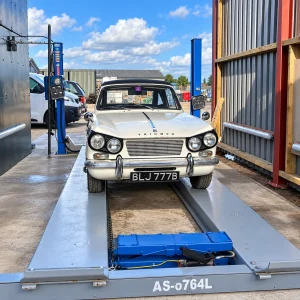
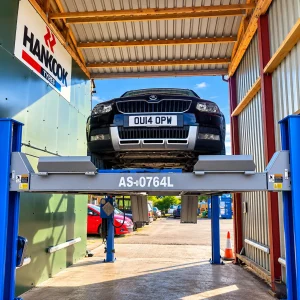
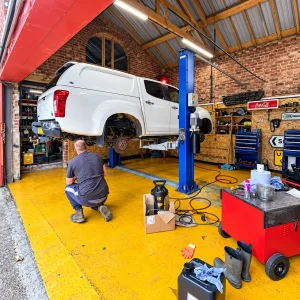
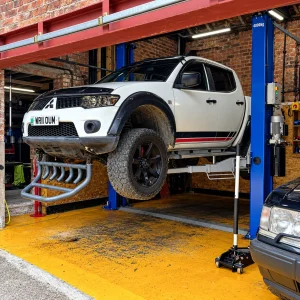
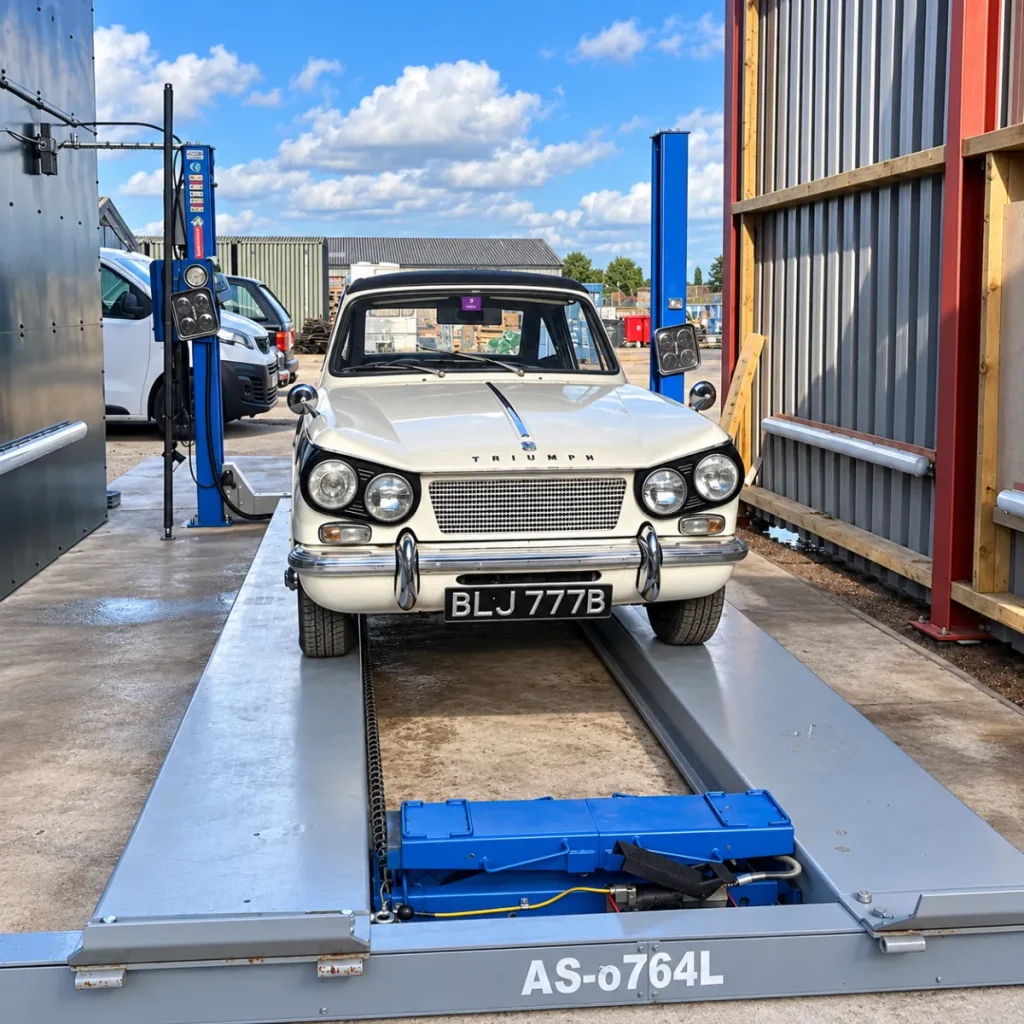
- The vehicle is lifted on a ramp so every part of the underside can be reached.
- The underside is degreased and washed to remove oil, mud and old contamination.
- The whole vehicle is dried fully, because trapped water would work against the wax.
- Loose rust and flaking material are scraped or brushed away, leaving sound metal.
- Sensitive parts such as brakes, shock absorbers and exhaust components are covered so they stay clean.
- The wax is sprayed on evenly, reaching seams, overlaps and tucked away corners.
- Every area is checked to make sure nothing has been missed.
- The vehicle is left to settle before it goes back on the road.
Each step matters. If a garage skips the drying or the rust removal, the wax is sealing in the problem rather than stopping it. That is why we always say the quality of the preparation is just as important as the wax itself.
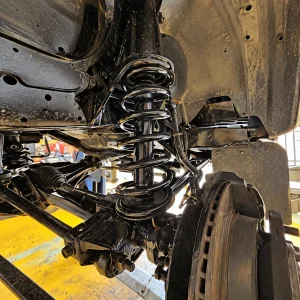
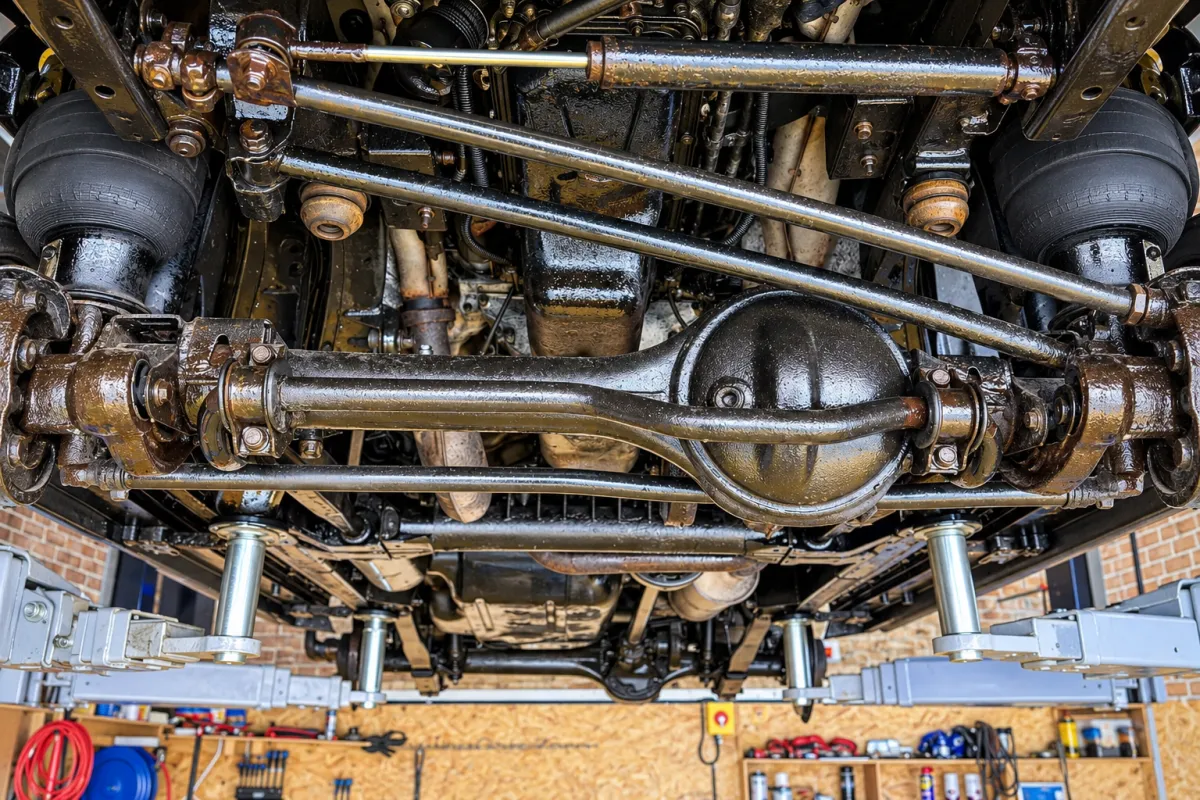
Wax also looks after the parts that keep your car safe to drive. Springs, mounting points, subframes and fixings all sit low down and take the worst of the weather. To see why this matters, take a look at how Lanoguard protects suspension and chassis components from corrosion.
Many owners also ask for cavity wax, which is sprayed inside hollow areas such as sills, doors and wings. These parts rust from the inside out, so treating them alongside the underside gives much more complete cover.
Why underbody rust protection pays off
Underbody rust protection is not just about keeping things tidy. It saves real money over time. Rust repairs can mean cutting out metal and welding in new sections, and that costs far more than a preventative treatment. Stopping corrosion early keeps the structure of your car strong, which also helps it pass its MOT with fewer worries.
There are other gains too. A clean, rust-free underside is a big selling point when you part with the car, because buyers and traders often look underneath first. A layer of wax can also take the edge off road noise, so the cabin feels a little quieter on long journeys.
Then there is simple peace of mind. When you know the metal is sealed, you can drive through rain, spray and winter gritting without wondering what is happening underneath.
Timing makes a difference. A new or nearly new car is the perfect candidate, because the metal is clean and the wax has a flawless surface to grip. Older vehicles can be treated too, as long as any heavy rust is repaired first. Surface rust can usually be cleaned back and sealed, but holes and rotten metal need proper repair work before any wax goes on. If you have just had welding done, protecting the repaired area is a very sensible next step.
Where you live also plays a part. Cars that are parked outside, driven on salted roads or used all year round take the most punishment. If you are nearby, you can find out about Lanoguard in Cheshire for local underbody care.
FAQs
How often should the wax be checked?
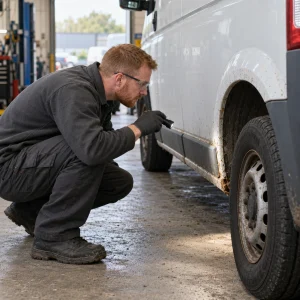
We suggest having the underside looked over once a year, ideally before winter. Wax is soft and self-healing, but stones, jet washing and heavy wear can thin it in places. A quick inspection shows whether any spots need a top-up.
Can I treat a car that already has some rust?
Yes, if the rust is on the surface. The loose material is removed, and the sound metal is sealed. Rust that has eaten right through the metal needs repair first, because wax cannot rebuild missing steel.
Is wax the same as traditional underseal?
No. Traditional underseal tends to set hard and can crack over time, letting water creep in behind it. Wax stays flexible and see-through enough to allow checks, so it is a gentler and more honest way to protect the metal.
Protect Your Car with Underbody Wax Treatment from Guardian Shield
An underbody wax treatment seals your car against water, salt and grime, keeps the metal strong, and helps protect its value. The key points are thorough cleaning, careful preparation, even coverage and regular checks. Do those well and the underside can stay in great shape for years.
Ready to give your car the protection it deserves? Get in touch with Guardian Shield today, and we will talk you through the options, answer your questions and help you choose the right treatment for your vehicle.