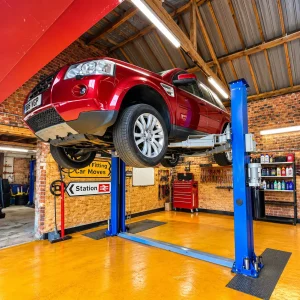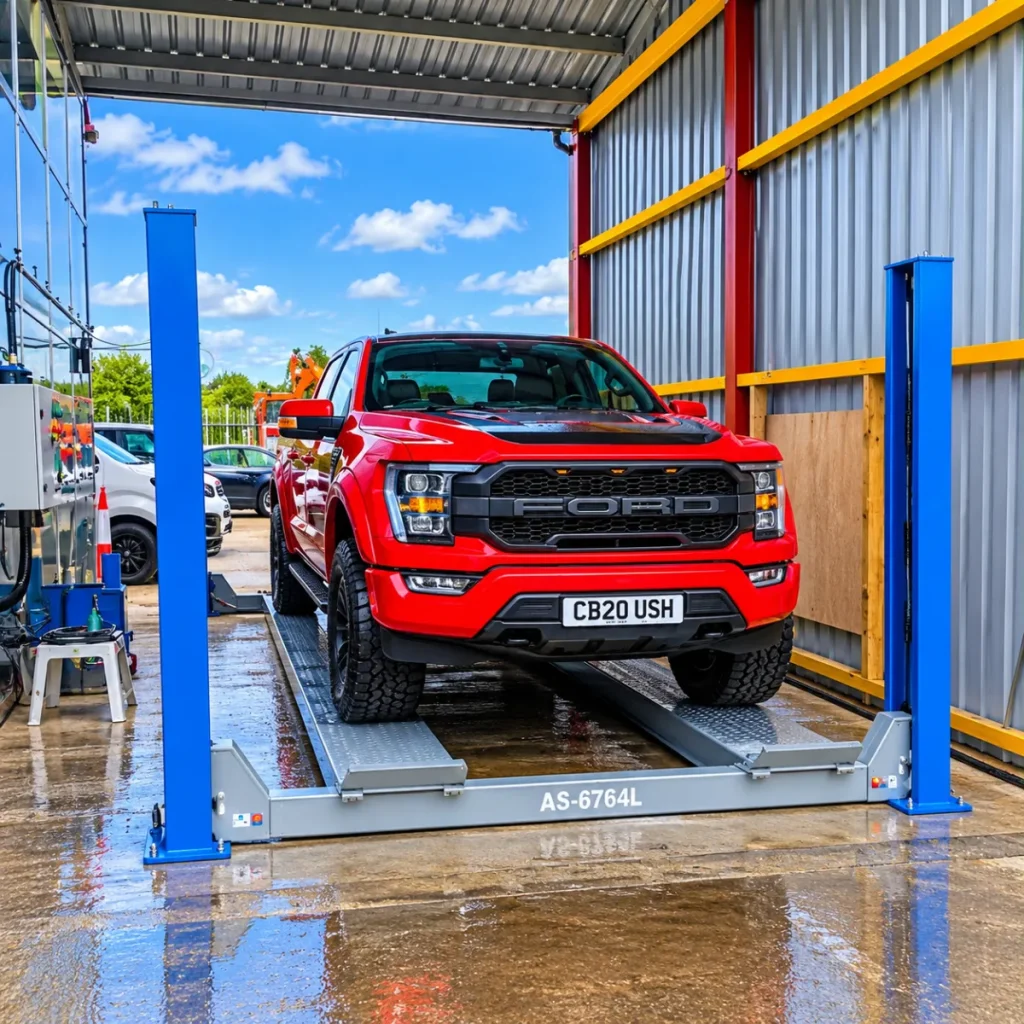
Rust protection for cars is one of the smartest ways to keep a vehicle safe, strong and valuable. Rust usually starts out of sight, under arches, along seams and inside hidden gaps, so by the time you spot a bubble in the paint, the damage may have been growing for years. At Guardian Shield, we want to help you stop that story before it begins.
Why rust protection for cars matters in the UK
Rust forms when iron or steel meets oxygen and moisture. That is the whole science, and it is why our weather is so tough on cars. UK roads are wet for much of the year, and winter brings road salt, which keeps water active against metal. Mud and dirt then pack into corners and hold dampness long after the paintwork looks dry.
Some areas are far more at risk than others. These are the places we always check first:
- Wheel arches and the areas behind arch liners
- Sills and jacking points
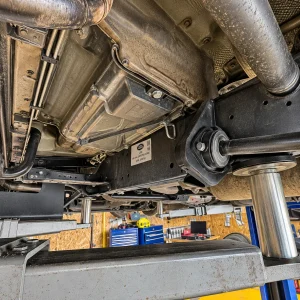
- Chassis rails and subframes
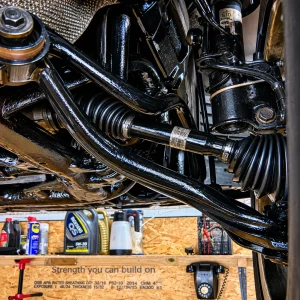
- Suspension arms and brackets
- Floor pans, seams and hidden cavities
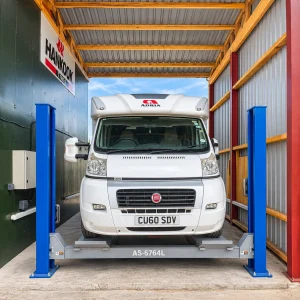
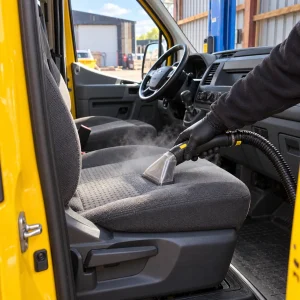
Older cars, classics, 4x4s, vans and cars driven through winter are often the most exposed. However, any car can rust if salt and moisture are left sitting on bare metal. Even a low-mileage car can suffer if it has been stored badly. Bigger vehicles face the same enemies, and our motorhome steam cleaning guide shows how much dirt and salt can hide underneath them.
Underbody rust prevention: the steps that work
Good underbody rust prevention is a process, not a single spray. The order matters, because a coating is only as good as the surface beneath it. Here is the sequence we follow:
- Inspect the underside properly.
- Remove dirt, salt, oil and failing coatings.
- Assess whether the problem is surface rust, deeper corrosion or rot.
- Stabilise any active rust.
- Repair or replace weak metal where needed.
- Apply a suitable protective coating or wax.
- Check the protection again over time.
It helps to know the three stages of rust. Surface rust looks like light orange or brown staining and can often be cleaned, stabilised and protected. Corrosion goes deeper and may bring pitting or flaking. Rot is the worst stage, where metal has lost strength or developed holes. At that point, no spray will fix it, and welding or replacement parts come first.
This is also why painting or sealing over rust is a bad idea. It may look tidy for a while, but the rust keeps working underneath until the coating bubbles, lifts or fails. The same goes for underseal. Cover rust, and you trap moisture against the metal.
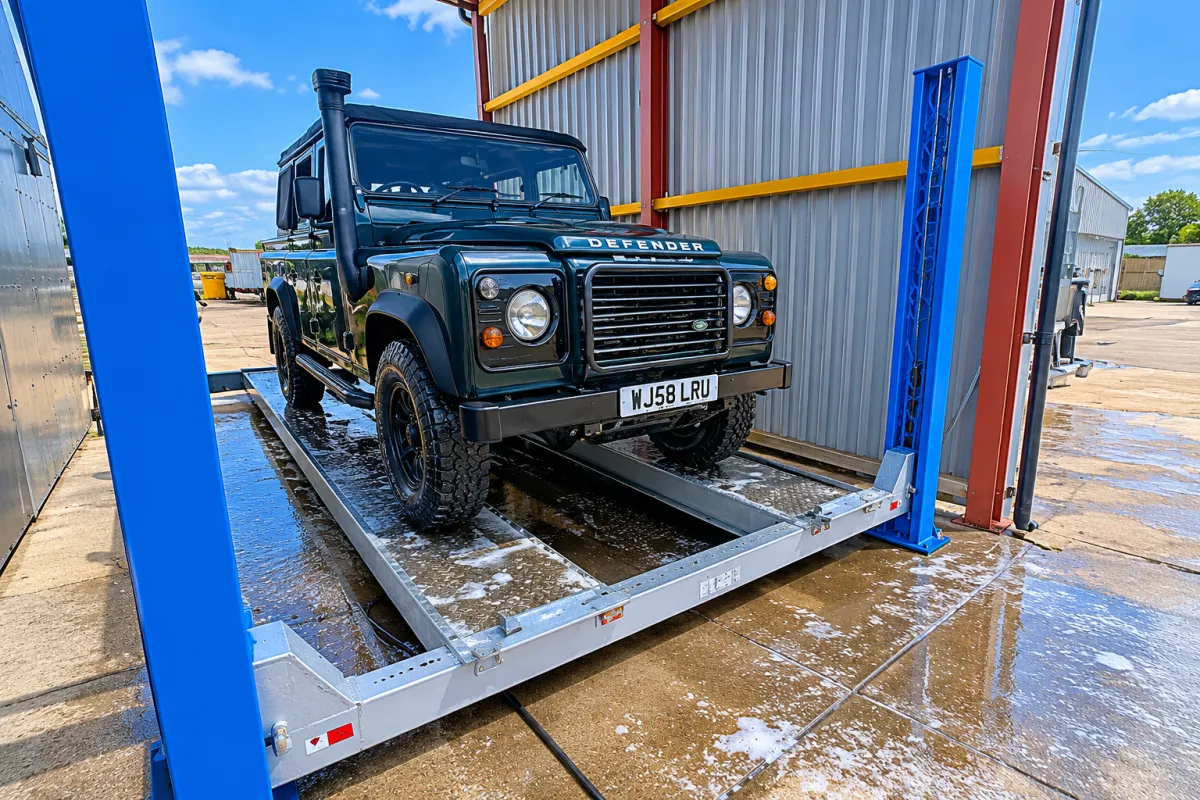
Cleaning is where many owners go wrong. Our ice blasting treatment removes salt, oil, grease, loose rust and old coatings without adding water or leaving gritty media behind. It does not rebuild metal, but it shows you the true condition of the underside, which is exactly what you need before any protection goes on.
Between big jobs, little and often wins. Regular underbody maintenance cleaning washes away the salt and mud that cause trouble, and it lets you spot new problems while they are still small.
Choosing a protection system that suits your car
There is no single best product for every vehicle. A classic stored indoors needs something different from a daily driver or a 4×4 used all winter. Common options include clear wax, black underbody wax, cavity wax and lanolin-based coatings. Our Lanoguard treatment is one choice we can talk through with you, depending on how your car is used and what condition the metal is in.
Whatever you pick, think about three things. First, is the rust still active? Second, do you want a clear finish or a black one? Third, how much water, salt and dirt will the area face? Cavities such as sills and box sections often need their own wax, because the inside of a panel can rust just as badly as the outside.
Classic owners should take extra care. Old chassis often hide layers of previous coatings, and those layers can trap damp. Our advice on classic car chassis cleaning explains how to prepare a chassis properly before applying anything.
One honest note: no treatment can promise that a car will never rust again. Protection works best when preparation is thorough, the coating suits the job, and you check the underside regularly. Think of it as ongoing care rather than a one-off fix.
FAQs
Can you paint over rust on a car?
It is not a good idea. Paint can hide rust for a short time, but the corrosion carries on underneath. The rust should be cleaned and treated first, and weak or holed metal should be repaired before any paint or coating goes on.
Can rust be stopped once it starts?
Often, yes, or at least slowed right down. Light surface rust can usually be cleaned, stabilised and protected. Deeper corrosion needs more careful work, and rotten metal needs repair or replacement before protection can do its job.
How often should I check underneath my car?
We suggest a proper look at least once a year, and again after a hard winter. Check arches, sills, seams and any spot where old coatings are peeling. If you are unsure what you are seeing, photos of the underside are a great way to get advice.
Protect Your Car from Rust Before It’s Too Late
Rust protection for cars comes down to a few simple habits. Find rust early, clean the underside properly, treat what is active, then protect the metal with a coating that suits your car. Skip the quick cover-up, because paint and underseal over rust only hide the problem.
Ready to give your car the care it deserves? Get in touch with the team at Guardian Shield today, and tell us about your vehicle. We will help you choose the right next step, so rust never gets the chance to win.