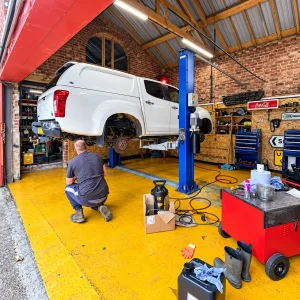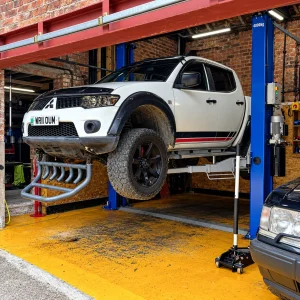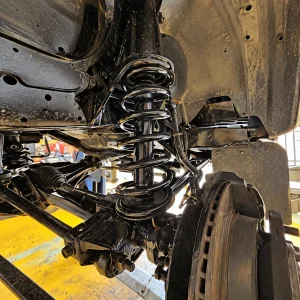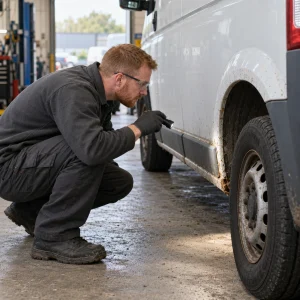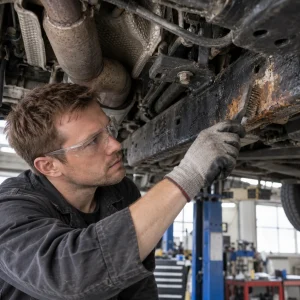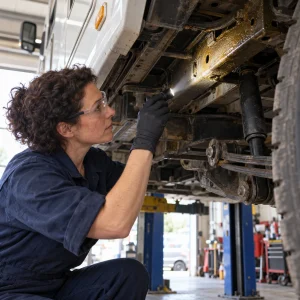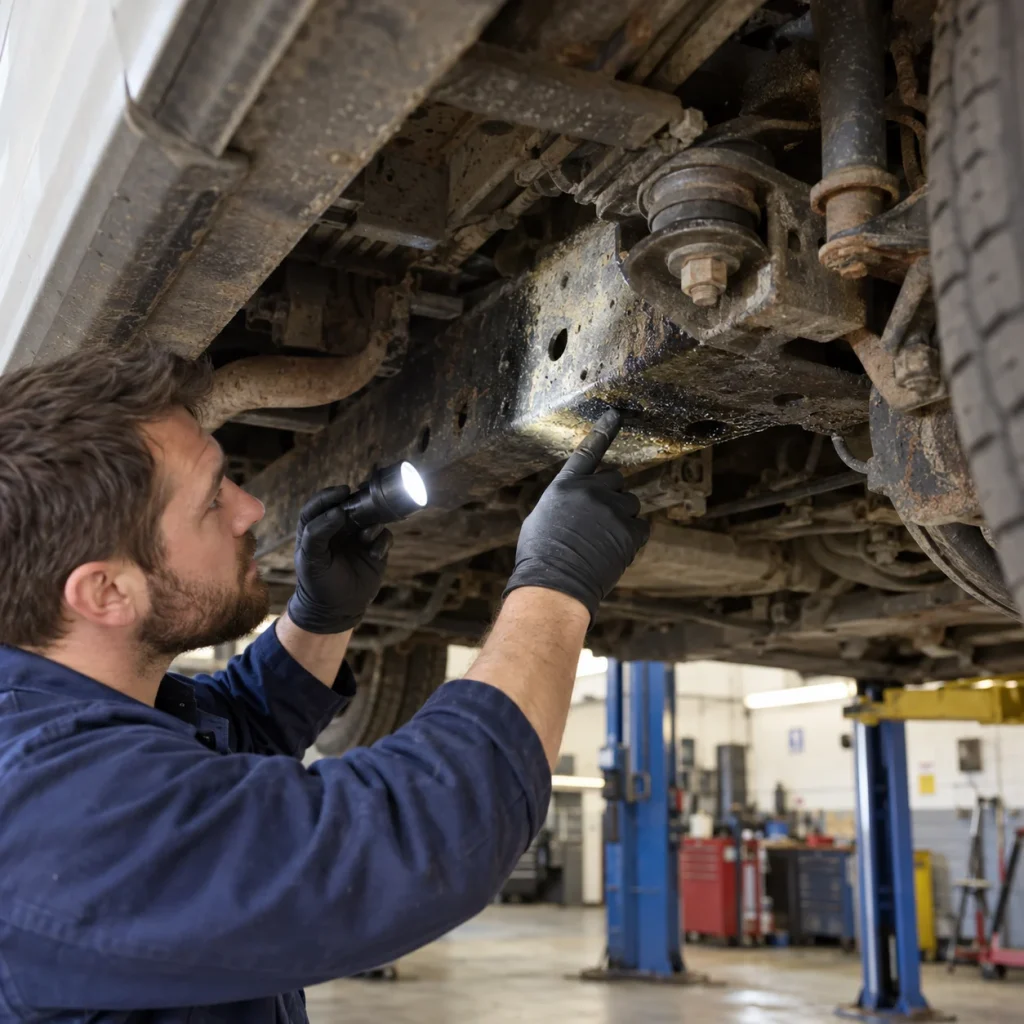
Your chassis takes a real battering every single day. Mud, road salt, grease and grime build up underneath your car without you ever seeing it, and over time this hidden layer can quietly cause rust and costly damage. That is why so many drivers are now booking a proper clean before any protective coating goes on, and why understanding what a good chassis degreasing service actually involves matters so much before you commit to anything.
Why a chassis degreasing service comes first
Think of your car’s underside like a wall that needs painting. If you paint over dirt, grease or damp patches, the paint will not stick properly, and it will start peeling within months. The same thing happens with chassis protection. If a protective coating is applied over old grease, mud and road salt residue, it simply will not bond to the metal underneath, and you end up paying for a treatment that fails far sooner than it should.
This is why a thorough clean has to happen before anything else. Grease that has built up over years does not just sit on the surface; it works its way into every gap, seam and joint. Ordinary washing with a hose or jet wash rarely shifts it because the grease is often baked on by heat from the engine and exhaust, mixed with road dirt and hardened over time.
A proper ice blasting treatment uses tiny ice particles fired at speed to strip away this stubborn build-up without damaging the metal or any wiring, brake lines and rubber components underneath. It is gentler than chemical degreasers, produces no harmful runoff, and leaves the chassis properly clean rather than just rinsed. For anyone asking what should happen before protection goes on, this step is the honest starting point.
What good chassis cleaning looks like before protection
Not every garage approaches this the same way, and the difference in quality can be huge. Some places will give the underside a quick rinse and call it done. Others take the time to properly assess the chassis, identify problem areas such as wheel arches, sills and the rear subframe, and treat each section thoroughly before moving on to protection.
Here is what we think you should expect from a job done properly:
The technician should inspect the chassis first, checking for existing rust, flaking paint or damaged panels. Any rust needs treating separately, and in some cases minor car repairs might be needed before protection can go ahead safely. Skipping this step means sealing rust in rather than dealing with it, which only makes the problem worse over time.
Once the inspection is done, the cleaning method matters. Ice blasting is far kinder to older or more fragile chassis than harsh chemical strippers, which can sometimes damage rubber seals or electrical connections. A good technician will also protect sensitive parts like brake components and sensors during the process, rather than blasting everything indiscriminately.
After cleaning, the chassis needs time to dry fully before any coating is applied. Rushing this stage traps moisture underneath the protective layer, which can actually encourage rust rather than prevent it. A trustworthy provider will not rush you through to save time.
Questions worth asking before you book a chassis degreasing service
Before handing your car over, it is worth asking a few simple questions. What method do they use for cleaning? Do they inspect the chassis before starting? What happens if they find rust or damage during the process? How long does the whole job take, and what happens afterwards in terms of aftercare advice?
Asking these questions is not about being difficult, it is about protecting your investment. A coating applied badly can cost you more in the long run than doing nothing at all, since it can trap moisture and hide developing problems until they become serious.
It also helps to check reviews and ask how long the business has been offering this type of work. Ice blasting and chassis protection require specific equipment and training, so experience really does count here. A business that has been doing this for years will have seen every type of chassis problem and will know how to handle unusual cases, such as older vehicles or ones that have already had previous underseal treatments applied.
If you want to read more about how different vehicles are treated and what typically comes up during these jobs, our blog covers plenty of real examples and practical advice from jobs we have completed.
Seasonal timing and road salt exposure
Winter is particularly hard on chassis parts because of the salt spread on roads to stop ice forming. Salt speeds up rust dramatically once it gets into scratches or worn areas of metal. Cars driven regularly through winter months, especially in areas with heavy gritting, tend to build up salt residue that clings on for months afterwards if it is not properly removed.
Booking a clean and protective treatment in early spring, once the worst of the winter salt has been washed away by rain, is often a smart choice. This gives the chassis a chance to be properly assessed and cleaned before summer, when drier conditions make it easier for coatings to cure and bond well.
That said, plenty of drivers choose to book before winter starts as a preventative step, applying protection ahead of the salty months rather than waiting to deal with damage afterwards. Both approaches have merit, and the right choice really depends on how your car is used and where you live.
Cost, time and what to expect on the day
People often worry that ice blasting and protective treatments will take a long time or cost a fortune, but the process is usually more straightforward than expected. Most jobs can be completed within a few hours, depending on how much build-up there is and the size of the vehicle. Larger vehicles or those with years of untreated grime naturally take a bit longer.
Cost varies depending on the level of cleaning needed and whether any repairs are required alongside the treatment. It is always worth getting a clear quote before work begins, so there are no surprises later. A trustworthy provider will explain what is included, what might cost extra, and why certain steps are necessary rather than optional.
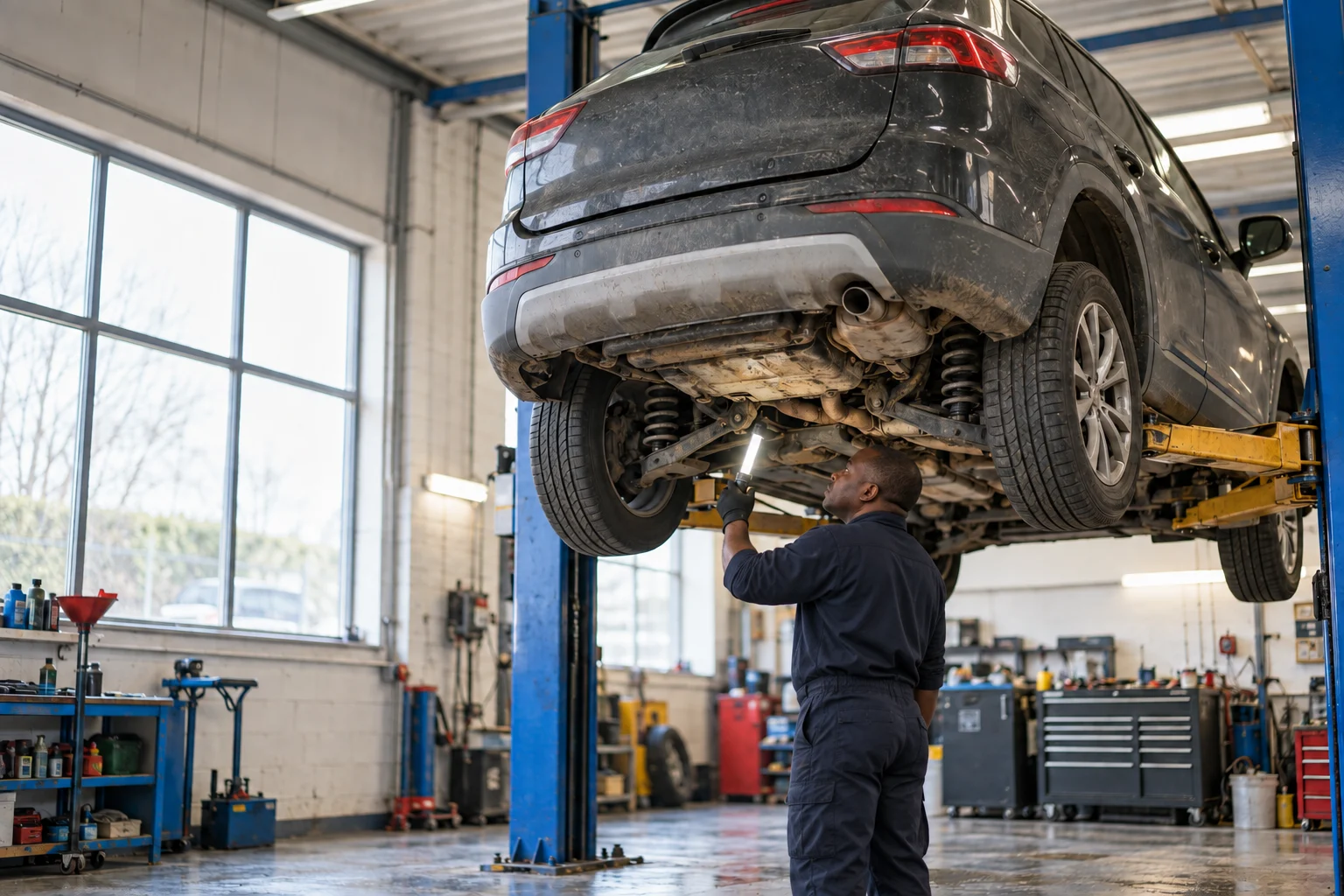
On the day itself, you should expect the vehicle to be raised safely, inspected, cleaned thoroughly, dried, and then treated with the protective coating. Some places will also offer photographs or a walkthrough of the work so you can see exactly what has been done underneath your car, which is a nice touch if you want that extra reassurance.
FAQs
How often should chassis degreasing and protection be repeated?
Most vehicles benefit from a fresh treatment every one to two years, though this depends on how often you drive through winter conditions and how much exposure to salt and grime your car gets. Vehicles used daily through winter months may need attention more frequently than those kept mainly for weekend use.
Can ice blasting damage my car’s underside?
No, when carried out properly, ice blasting is actually gentler than many chemical degreasers. The ice particles are soft enough not to harm metal, rubber seals or wiring, while still being effective enough to remove stubborn grease and grime build-up.
Does chassis protection stop rust completely?
Protection significantly slows down rust by creating a barrier between the metal and moisture, salt and road grime. It does not make rust impossible, especially if there is already existing damage, which is why proper cleaning and inspection beforehand makes such a difference to long-term results.
What should I do if rust is found during the process?
Any rust discovered during inspection should be treated before protection is applied. Depending on how severe it is, this might mean simple treatment or more involved repair work, so it is worth discussing this possibility with your chosen provider before booking.
Looking after your chassis properly is one of those jobs that pays off quietly over years rather than overnight, but it makes a real difference to how long your vehicle lasts and how much you spend on repairs down the line. Choosing a provider who inspects, cleans and protects properly rather than cutting corners is the single biggest factor in getting this right.
If you would like to arrange a proper clean and protective treatment for your vehicle, you can head straight to our booking page to sort a convenient time. And if you have any questions before then, our team is always happy to help through our contact us page, so do get in touch and let Guardian Shield help keep your chassis in the best possible condition for years to come.