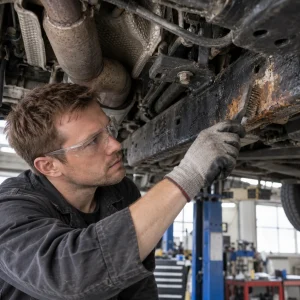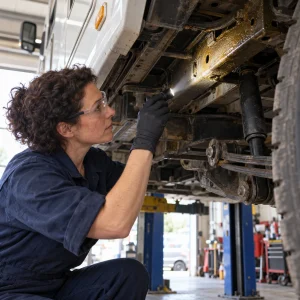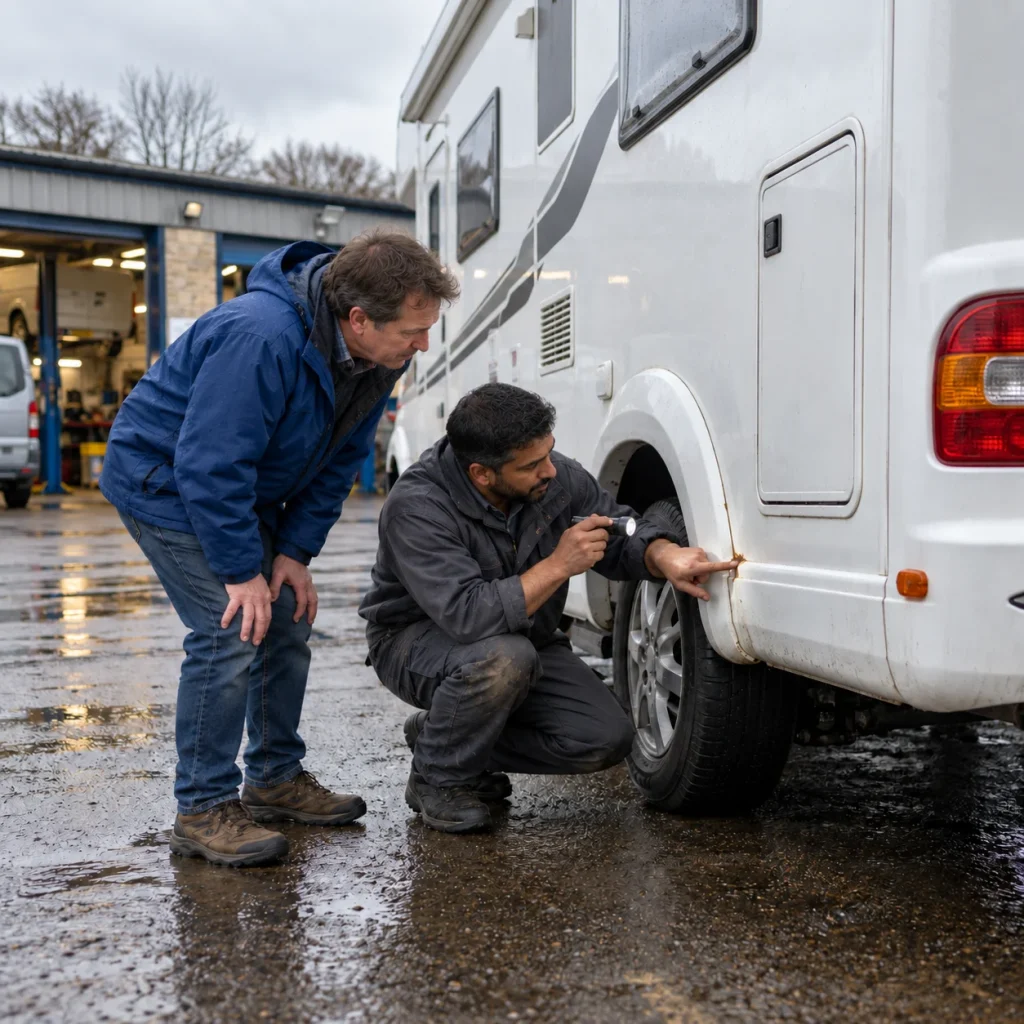
Motorhomes and campervans take a proper battering out on the road. Salt, grit, rain and mud all get thrown up underneath the vehicle, and over time that mix starts to eat away at the metal you can’t easily see. That’s why so many owners are turning their attention to motorhome rust protection before small problems turn into expensive ones. In this article we’ll walk through why rust takes hold, how ice blasting and other treatments fit into the picture, and what you should be looking for when choosing a method that actually works.
Why motorhome rust protection matters so much
A motorhome or campervan chassis is built to carry a lot of weight over a long working life, and that puts real strain on the metal underneath. Unlike a car that might do a short commute each day, a motorhome often sits unused for weeks at a time, then gets loaded up and driven for hundreds of miles in one go. That stop-start pattern, combined with damp storage and road salt in winter, creates the perfect conditions for corrosion to creep in unnoticed.
Rust doesn’t just look bad. It weakens structural parts of the vehicle, including the chassis rails, suspension mounts and brake lines. Left untreated, what starts as surface flaking can turn into holes, cracks and expensive repairs. Getting proper motorhome rust protection in place early is far cheaper than fixing the damage once it’s spread, and it helps protect the resale value of a vehicle that owners often keep for many years.
How ice blasting treatment fits into the process
Before any rust protection product goes on, the surface underneath the vehicle needs to be properly prepared. This is where ice blasting comes in. Rather than using chemicals or abrasive grit, ice blasting fires tiny pellets of dry ice at the surface using compressed air. The pellets hit the dirt, grease and old flaking coatings and lift them away; then the dry ice simply turns to gas and disappears. There’s no messy residue left behind, no water to dry out, and no harsh chemical runoff to worry about.
This matters a lot for motorhomes because the underbody is often packed with delicate parts such as wiring looms, brake cables, fuel lines and sensors. Traditional grit blasting can be too aggressive and risks damaging these components, whereas ice blasting is gentle enough to clean thoroughly without causing harm. Once the surface is properly cleaned back to bare metal, any new rust protection coating can bond properly, rather than sitting on top of old grime and failing within months.
We always recommend checking out the full details of the Lanoguard treatment process, since understanding how the preparation stage works helps explain why the finished result lasts so much longer than a quick spray job.
Why the underbody deserves special attention
Most people think about rust in terms of the bodywork they can see, the panels, the doors and the wheel arches. The real damage, though, often happens underneath, out of sight and out of mind. The underbody is where water collects, where salt gets flung up by the tyres, and where mud packs into gaps and holds moisture against bare metal for weeks on end.
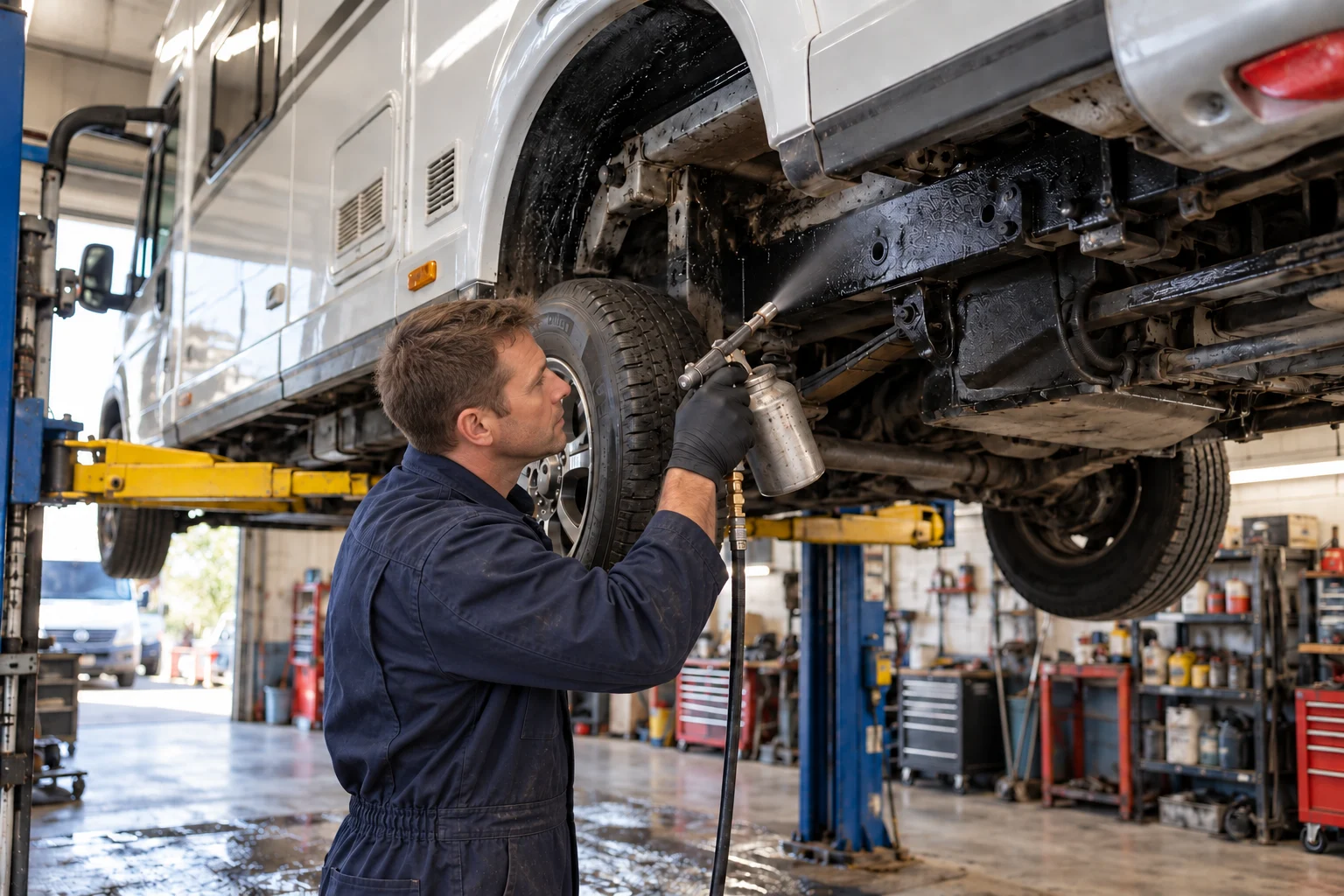
This is exactly why underbody rust protection should never be an afterthought. A good coating doesn’t just sit on the surface; it creeps into seams, joints and overlapping panels where corrosion typically starts. Products based on lanolin work particularly well here because they stay slightly soft rather than hardening into a brittle shell. That flexibility means the coating moves with the metal as the vehicle flexes over bumps and potholes, rather than cracking and letting moisture back in.
Owners who store their motorhome outside over winter, or who use it for touring in colder, wetter parts of the country, tend to see the benefits of this kind of treatment fastest. It’s a straightforward way to add years to the life of the chassis without needing to strip the vehicle down.
Comparing rustproofing methods for motorhome rust protection
There are several different approaches to rustproofing on the market, and it helps to understand how they differ before choosing one for your vehicle.
Wax-based coatings
Wax coatings are popular because they’re easy to apply and reasonably priced. The downside is that wax tends to harden over time, especially in cold weather, and once it cracks, it stops protecting the metal underneath. It also needs reapplying fairly often to stay effective.
Oil based sprays
Oil-based products stay softer for longer than wax, but they can attract dirt and grit, which builds up on the underbody over time. They also tend to wash off faster in wet conditions, meaning more frequent top-ups.
Lanolin-based treatments
Lanolin is a natural product that comes from sheep’s wool, and it has properties that make it particularly good at repelling water and staying flexible in a wide range of temperatures. Reading up on vehicle rust protection options shows why lanolin-based treatments have become a preferred choice for owners who want something that lasts several years rather than several months.
Whichever method you choose, the preparation stage matters just as much as the product itself. A treatment applied over dirt, old rust or flaking paint will never perform as well as one applied to a properly cleaned surface, which is why the ice blasting step is so often paired with these coatings.
Protecting suspension and other vulnerable parts
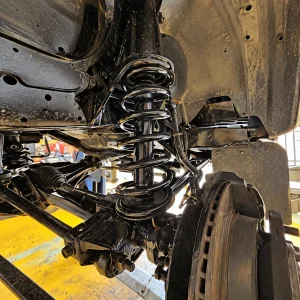
Rust protection isn’t only about the flat panels underneath a motorhome. Suspension components, brackets and mounting points are often where corrosion causes the most serious problems, because these are the parts holding the vehicle together and keeping it safe on the road. A corroded suspension mount can weaken gradually without any obvious warning signs, which is a genuinely worrying thought when you’re driving a heavy vehicle full of family or belongings.
Looking into how chassis protection protects suspension parts from corrosion is worth doing before your next service, particularly if your motorhome is a few years old or has spent time near the coast where salt air speeds up rusting. Coating these areas properly means the metal stays sealed against moisture even when the vehicle is being used in wet or gritty conditions, giving you one less thing to worry about when you’re planning your next trip.
At Guardian Shield, we see plenty of motorhomes where the bodywork looks fine, but the underside tells a very different story. Catching corrosion early on these structural parts can save owners from far bigger repair bills further down the line.
Getting motorhome rust protection done locally
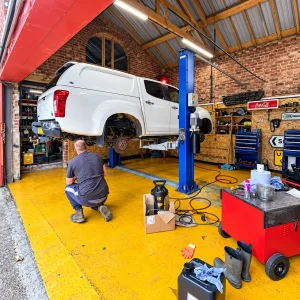
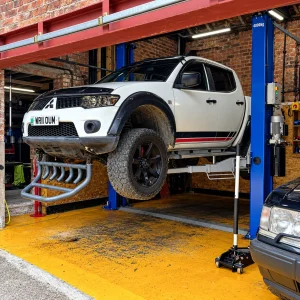
For owners based in the North West, finding somewhere local that specialises in this kind of work makes the whole process much easier. Booking in for rust protection in Cheshire means you can get the ice blasting preparation and the lanolin coating done in one visit, rather than trying to piece together different services from different garages. It also means you can ask questions face to face and get a proper look at the condition of your chassis before any decisions are made.
A local specialist will usually be able to show you exactly where corrosion tends to start on your particular make and model, since certain motorhome bases are more prone to rust in specific spots such as around the rear chassis extension or near the fuel tank straps. Having that kind of local knowledge on hand makes a real difference when you’re trying to work out how much protection your vehicle actually needs.
FAQs
How often does motorhome rust protection need to be reapplied?
This depends on the product used and how the vehicle is stored and driven, but lanolin-based treatments typically last several years before needing a top-up, especially compared with wax coatings that may need reapplying annually.
Can ice blasting damage electrical wiring or sensors underneath the vehicle?
No, ice blasting is gentle by design. The dry ice pellets are soft enough to lift away dirt and grime without harming delicate parts such as wiring looms, brake lines or sensors, which is one of the main reasons it’s favoured over harsher grit blasting methods.
Is it worth treating a newer motorhome that doesn’t have any visible rust yet?
Yes, treating a vehicle early is often more effective and cheaper in the long run. Coating clean, undamaged metal helps prevent corrosion from ever taking hold, rather than trying to treat and repair damage after it’s already started.
Does the treatment need to be redone every time the motorhome goes in for a service?
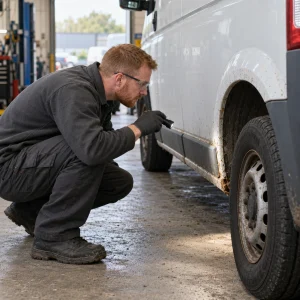
Not necessarily, but it’s a good idea to have the underbody checked during regular servicing so any wear to the coating can be spotted early and topped up before bare metal is exposed again.
Take the next step with your motorhome
Keeping on top of corrosion is one of the simplest ways to protect both the safety and the value of your motorhome for years to come. Whether you’re dealing with an older vehicle that’s already showing signs of wear, or a newer model you want to keep in top condition, getting the right preparation and coating done properly makes all the difference. Guardian Shield is on hand to talk through what your vehicle needs, so get in touch and let’s get your motorhome properly protected before your next trip.