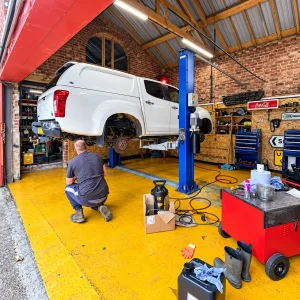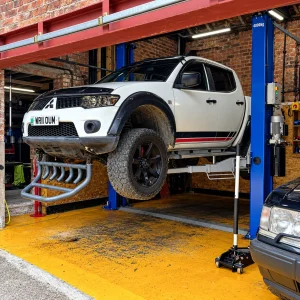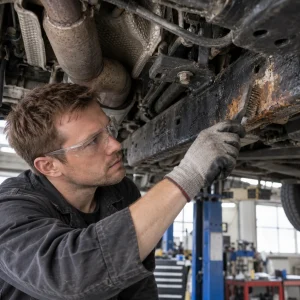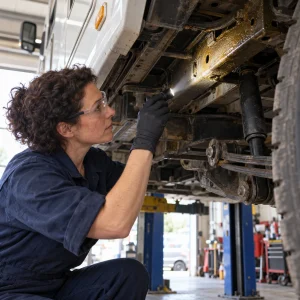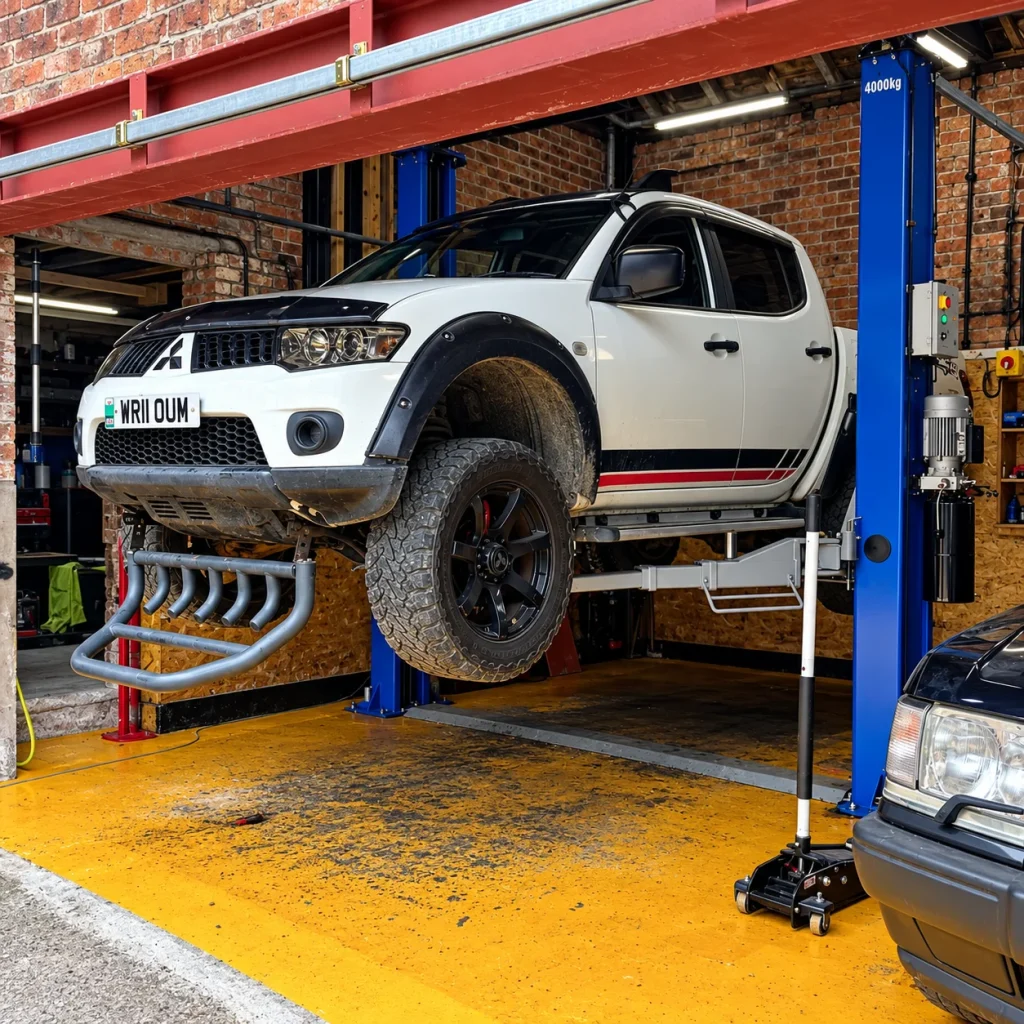
Rust is slow, quiet and very expensive. If your business runs vans, trucks or pickups, fleet rust protection is one of the simplest ways to keep money in the bank and wheels on the road. At Guardian Shield, we see the same story again and again: a vehicle looks fine from the outside, but underneath, salt and water have been busy for years.
Why fleet rust protection saves money
Work vehicles have a tougher life than private cars. They cover more miles, drive in every kind of weather and carry heavy loads. They also get washed less often, because the job always comes first. All of this gives salt, grit and moisture plenty of time to do their damage.
The costs soon add up. Structural and chassis repairs are not cheap. A failed MOT means a van sits in a garage instead of earning money. Rust also pulls down resale value, and replacing a vehicle early costs far more than looking after the one you already own.
That is why we think of rust protection as a business decision, not just a maintenance job. A treatment that lasts longer than ordinary underseal means fewer repeat visits and fewer surprises. It also gives fleet managers real peace of mind when the cold, wet months arrive.
Where rust hits vans and trucks first
Knowing where rust starts helps you protect the right places. On most work vehicles, we look at these areas first:
- Chassis and underbody: rails, crossmembers and floor pans take a constant battering from spray and road debris.
- Wheel arches and sills: stone chips break the paint, and water creeps in underneath.
- Door bottoms and load area edges: doors hold water inside, so rust can grow from the inside out.
- Brake and fuel lines: these are easy to forget, yet a failure here is serious.
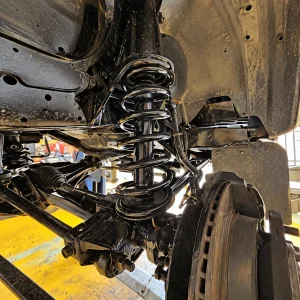
Suspension parts deserve special attention too, because they carry the weight of every load. You can read more about how we protect suspension and chassis components from corrosion. Spotting trouble early is always cheaper than welding later.
Commercial vehicle rust prevention in practice
Good protection does not need to be complicated. It comes down to a routine that your team can stick to, week after week.
First, keep vehicles clean. Wash them more often in winter, and make sure the underside gets a proper rinse, not just the bodywork. Salt and mud trapped around hangers and crossmembers hold moisture against the metal and speed up rust.
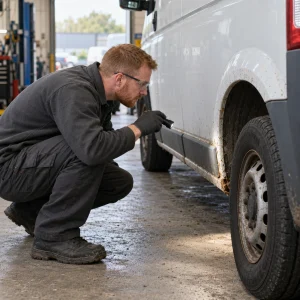
Second, check vehicles regularly. A quick look every few months for bubbling paint, flaking underseal or orange staining can save a lot of money. Check again after winter, when salt has had its longest stay.
Third, add a protective barrier. We use a lanolin-based underbody treatment that is sprayed on and clings to the surface. It seals out oxygen and moisture, which rust needs to form. It can go over stable surface rust once loose flakes are cleaned away, so you do not have to strip every vehicle back to bare metal first. It is also kind to rubber and plastic parts, and it stands up well to jet washing.
Here is a simple schedule many fleets find easy to follow:
- Weekly in winter: wash the bodywork and wheel arches.
- Monthly: clean the underside properly.
- Every three months: do a visual rust check and note any problem spots.
- Twice a year: inspect the underbody coating and touch up any thin areas.
- After winter: give every vehicle a full underside check and rinse.
Location matters when you plan the work. If your vehicles are based in the North West, our Cheshire underbody rust protection service is close by and easy to fit around your schedule. We can look at your vehicles, explain what we find and agree a plan that keeps downtime low.
When you are ready, you can book a slot for one vehicle or a whole group. Starting with a small batch is a sensible way to see the process and the results for yourself.
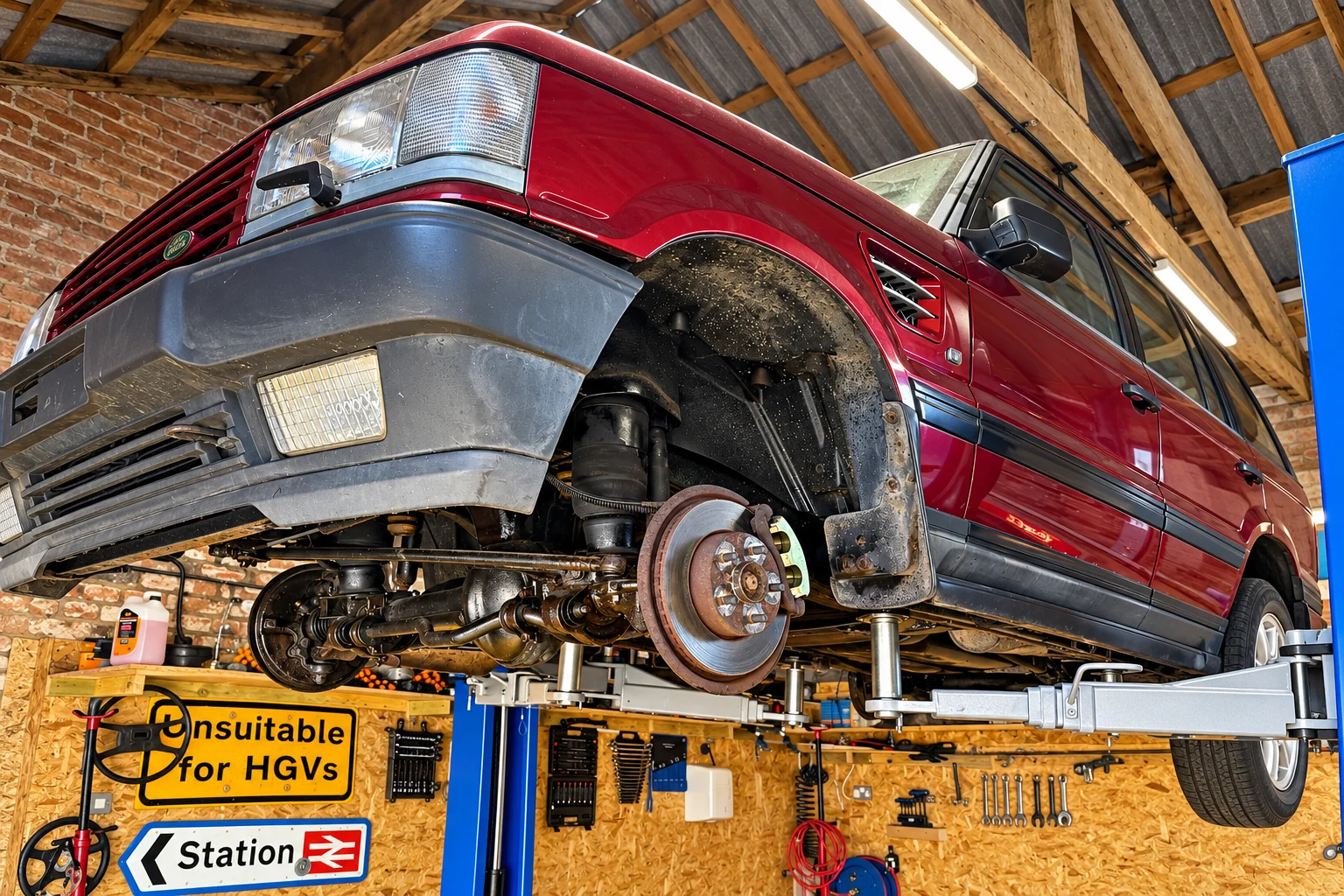
Many businesses also run leisure vehicles alongside their vans. If your fleet includes hire motorhomes or campers, the same thinking applies. Our guide to motorhome rust protection explains how to guard against rust and road damage. For campers, our tips on a campervan deep clean show how to clean, restore and protect between hires.
FAQs
How often should we inspect fleet vehicles for rust?
We suggest a quick visual check every three months, plus a thorough underside check after winter. Look for bubbling paint, flaking coatings and brown staining around seams, sills and wheel arches. Write down what you find, so you can see whether a problem is getting worse.
Can you apply protection over rust that is already there?
You can usually treat stable surface rust once you’ve cleaned off loose, flaking material. Heavy rot that has eaten through the metal needs repair first. Protection works best when it goes on early, which is why regular checks matter so much.
Will a treatment harm sensors, wiring or rubber parts?
A well-chosen product should be safe for rubber, plastic and wiring. Even so, sensors and electrical connectors need care during application. We take our time around these areas, and you can ask us about any concerns before work starts.
Keep Your Fleet Working for Longer with Guardian Shield Rust Protection
Rust costs fleets money through repairs, failed MOTs, lost working days and lower resale values. The good news is that it is largely preventable. Clean your vehicles often, check them on a schedule, and add a lasting barrier to the places where rust starts.
At Guardian Shield, we are here to help you build a plan that fits your vehicles and your budget. Get in touch with us today, tell us about your fleet, and let us help keep every van and truck working harder for longer.