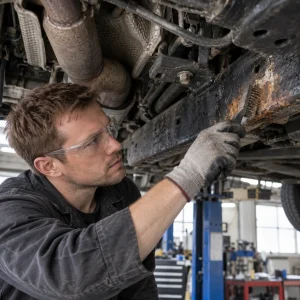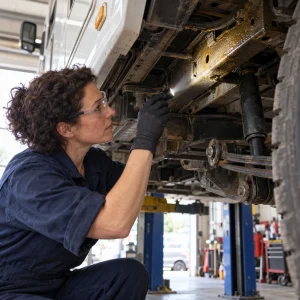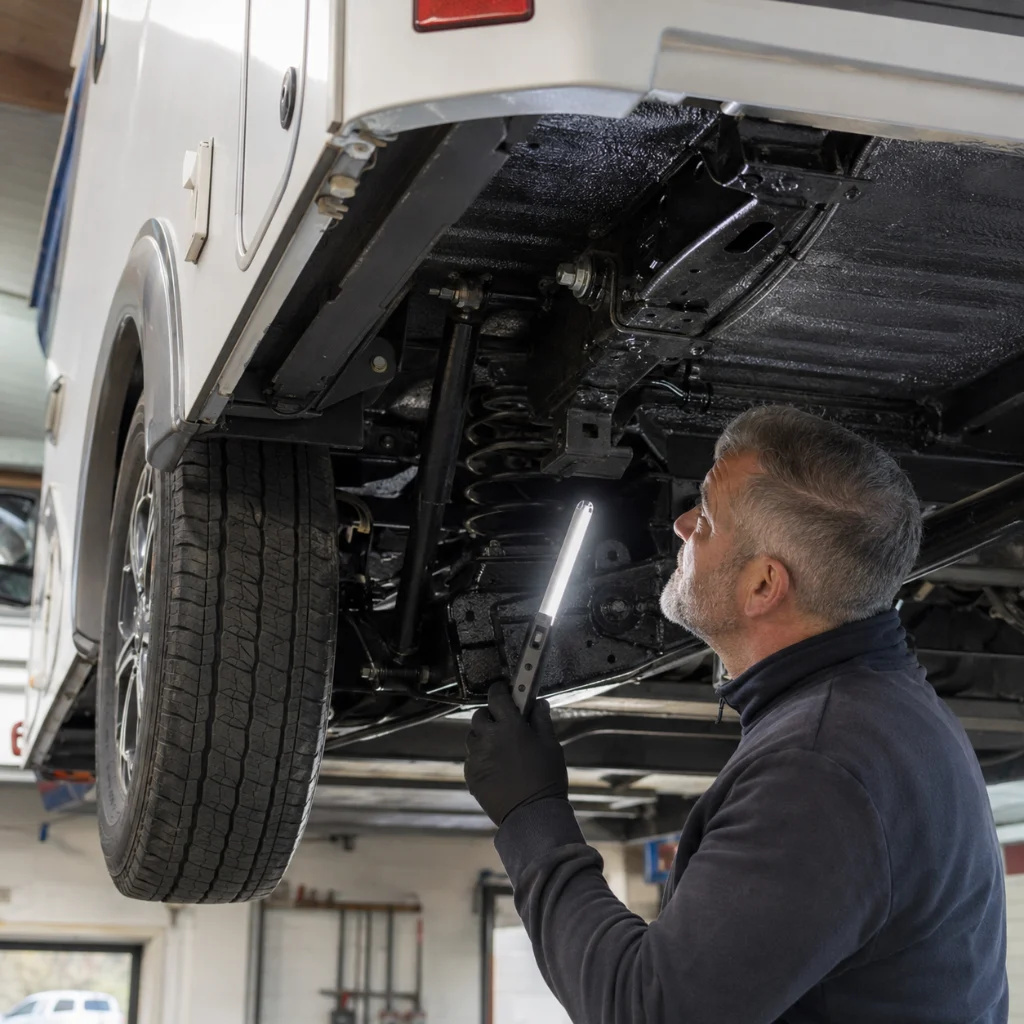
Motorhomes take a real battering from the weather. They sit outside for long stretches, they travel long distances in all sorts of conditions, and their chassis and underbody parts are often forgotten about until something goes wrong. That’s why so many owners are now looking into proper rust prevention, and why we want to talk you through what actually works and why it matters.
Why motorhome rust protection matters so much
A motorhome is a big investment, and the last thing any owner wants is to find creeping rust patches when they finally get round to checking underneath. Unlike a car that gets used daily and checked over regularly, motorhomes often sit in storage for months at a time. Moisture gets trapped, salt from winter roads clings to the metal, and small chips in the paintwork turn into bigger problems before anyone notices.
The chassis, the suspension mounts, and the box sections underneath are the parts most at risk. These are also the hardest parts to inspect properly, which means rust can spread quietly for a long time. Getting on top of this early with proper motorhome rust protection saves a huge amount of money and stress later on. We always tell owners that prevention is far cheaper than repair, and that a bit of care now can add years to the life of a vehicle.
Anyone who has owned a motorhome for a while will know that road grime, standing water, and general wear all add up over time. The good news is that there are treatments designed specifically to deal with this, and they work far better than the basic waxing jobs of years gone by.
How ice blasting rust removal for motorhomes works
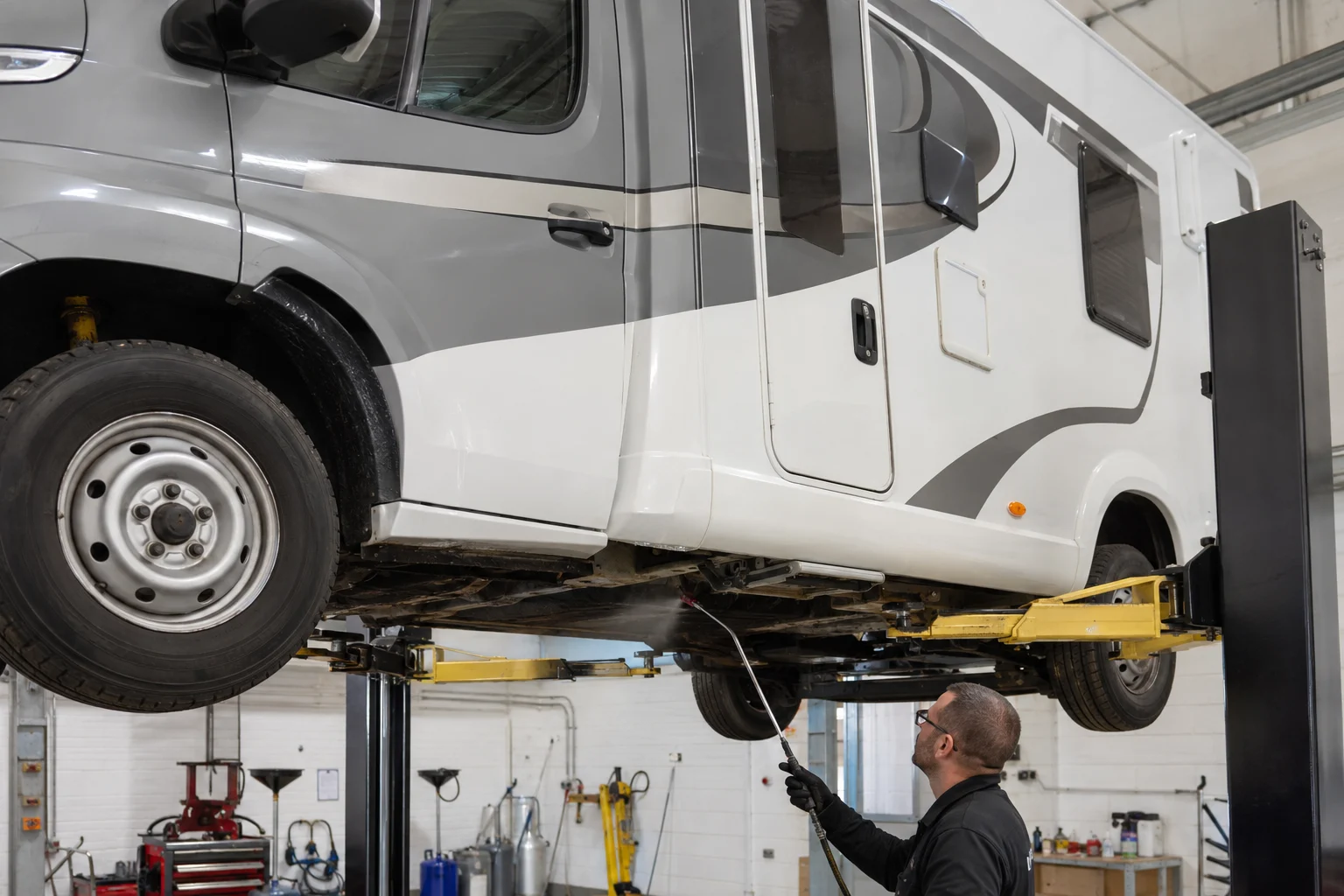
Before any rust protection can be applied properly, the surface underneath needs to be completely clean. This is where ice blasting rust removal for motorhomes comes into its own. The process uses small ice particles fired at the metal under pressure. As the ice hits the surface, it strips away rust, old underseal, grime, and flaking paint without damaging the metal itself.
What makes this method so useful is that it melts away almost instantly, leaving no mess behind and no chemical residue to worry about. Traditional methods like wire brushing or sanding can miss awkward corners and tight spaces around the chassis rails. Ice blasting gets into those gaps far more effectively, which means the surface is properly ready for whatever treatment comes next.
For motorhomes specifically, this matters because the underbody structure is often more complex than a standard car, with extra brackets, storage boxes, and water tank fittings that all create hiding spots for rust. A thorough clean before treatment means nothing gets missed, and the protective coating that follows can actually do its job properly.
Preparing the surface properly before treatment
Once the ice blasting has stripped everything back, the metal is left clean and dry, ready for a protective coating to be applied. Skipping this step, or rushing it, is one of the main reasons rust protection products fail. If old rust or grime is left underneath a new coating, moisture gets trapped, and the problem just continues out of sight.
We think this is one of the most overlooked parts of the whole process. People often focus on the product being applied rather than the condition of the surface it’s going onto. A good look at how a proper treatment process should be carried out shows just how much preparation matters before any lanolin-based coating goes anywhere near the chassis.
Comparing traditional rustproofing with modern coatings
For decades, motorhome owners relied on underseal, wax injections, and Dinitrol-style products to keep rust at bay. These methods do offer some protection, but they come with drawbacks. Wax-based products can crack over time, especially in cold weather, and once they crack, moisture gets underneath, and rust starts again, often hidden beneath the coating so nobody notices until it’s too late.
Underseal has similar issues. It looks solid when first applied, but it can peel away from the metal after a few years of road vibration and weather exposure. Once that happens, it can actually trap moisture against the metal, which speeds up corrosion rather than stopping it.
Newer lanolin-based treatments work differently. Instead of forming a hard shell that can crack, they stay slightly flexible and continue to creep into small gaps and seams over time. This means they keep working even after the initial application, self-healing minor scratches and continuing to push moisture away from the metal. Understanding why this type of underbody protection performs so well helps explain why so many owners are switching away from older methods.
Why lanolin-based treatments suit motorhomes
Motorhomes spend a lot of time parked up, often outdoors, exposed to rain and damp air even when they’re not being driven. A treatment that can keep working during long periods of storage is far more useful than one that only performs well when the vehicle is moving regularly and shaking off surface water.
Lanolin-based coatings also tend to last longer between reapplications, which suits owners who might only bring their motorhome in for a service once or twice a year. The coating continues to protect the metal even in the gaps between appointments, which gives real peace of mind for anyone who doesn’t want to be constantly checking underneath their vehicle. Reading more about how this type of rust protection performs across different vehicle types gives a clearer picture of why it has become so popular with motorhome owners specifically.
Protecting the chassis and suspension for the long term
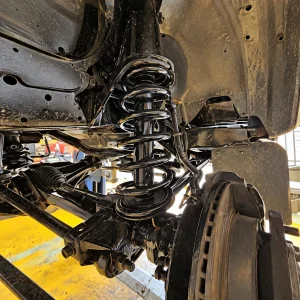
The chassis and suspension components are the parts that keep a motorhome safe and stable on the road, so protecting them properly is not something to leave to chance. Corrosion on suspension mounts and chassis rails can weaken the whole structure over time, and in serious cases it can even affect how the vehicle handles and stops.</p
This is why we always recommend treating these areas as a priority rather than an afterthought. A well-protected chassis holds its strength for years longer than one left untreated, and it also helps the vehicle hold its value if the owner ever decides to sell. Looking at how proper chassis protection prevents suspension corrosion shows just how much of a difference this makes to the overall lifespan of a motorhome.
Suspension components in particular take a lot of punishment from road spray, grit, and general moving parts rubbing against each other. Without protection, these areas can start showing surface rust within a couple of years, especially for motorhomes that spend winters parked outside. A proper coating applied after thorough cleaning gives these parts a much better chance of lasting the full life of the vehicle.
Finding trusted rust protection for motorhome owners
Not every garage or workshop has the right setup to carry out this kind of work properly. Ice blasting equipment and proper application techniques take experience to get right, and rushing the job or missing spots can mean the whole treatment fails within a year or two.
For owners based in the North West, it’s worth knowing that specialist rust protection services are available locally in Cheshire, meaning motorhome owners don’t have to travel far to get proper treatment carried out by people who know exactly what they’re doing. Choosing a specialist over a general garage often makes a real difference to how long the protection lasts.
At Guardian Shield, we’ve seen firsthand how much difference proper preparation and the right coating can make. Motorhomes that are treated early, before rust has had a chance to take hold, tend to need far less work over their lifetime than those where owners wait until problems are already visible.
FAQs
How often should motorhome rust protection be reapplied?
This depends on how the motorhome is used and stored, but most lanolin-based treatments last around one to two years before a top-up is needed. Vehicles kept outside all year round or driven on salted roads during winter may need checking more often.
Is ice blasting safe for older motorhome chassis?
Yes, when carried out by someone experienced with the process. The ice particles are gentle enough not to damage sound metal, but they still remove rust and grime effectively, which makes it a safe option even for older vehicles with more delicate bodywork.
Can rust protection be applied without removing the old underseal first?
It’s always better to remove old underseal or coatings before applying a new treatment. Leaving old material in place can trap moisture underneath, which causes hidden rust to continue spreading even after a new coating has been applied on top.
Does treating the chassis affect the motorhome’s warranty?
Most manufacturers are supportive of proper rust protection, as it helps prevent the kind of corrosion damage that warranties often don’t cover anyway. It’s always worth checking the specific terms, but in general, protecting the chassis is seen as good maintenance rather than something that would cause issues.
Keeping on top of rust protection doesn’t need to be complicated, but it does need to be done properly and at the right time. Cleaning the surface thoroughly, choosing a coating that keeps working over months rather than cracking away, and paying close attention to the chassis and suspension all add up to a motorhome that stays sound for years longer.
If you’re ready to get your motorhome properly protected, get in touch with the team at Guardian Shield, and we’ll talk you through exactly what your vehicle needs.