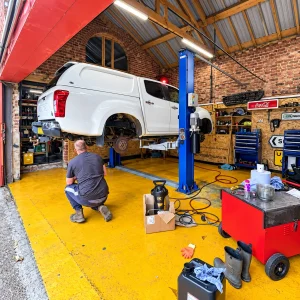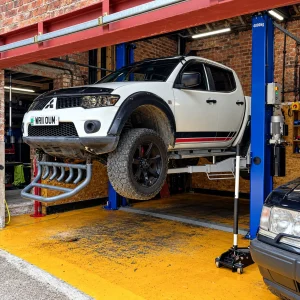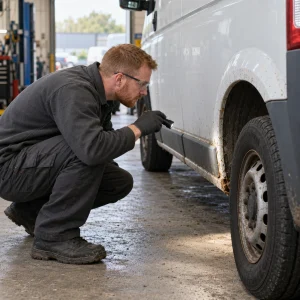
UK roads and weather can be tough on vehicles. Between heavy rainfall, road salt in winter, and constant exposure to moisture, rust becomes a real threat, especially underneath our vehicles. At Guardian Shield, we know how important it is to protect your car, van or 4×4 to keep it looking good and running strong for years.
That’s where Lanoguard steps in. It’s changing how we tackle rust prevention, offering long-lasting protection that’s simple to apply, kind to the environment, and surprisingly easy to fit into a basic maintenance routine. Let’s dig into why it’s become such a favourite across the UK.
How Lanoguard Works for Rust Prevention
The secret behind Lanoguard’s success is in its formulation. It’s made with lanolin, a natural grease found in sheep’s wool. That means it doesn’t contain harsh chemicals or harmful toxins that you’d often find in older rustproofing methods.
Because lanolin repels water and salt, it blocks out the key causes of rust. It creates a clear, flexible shield on your vehicle’s underside and metal surfaces. This barrier keeps moisture and oxygen out, stopping the chemical reaction that causes rust to form in the first place. And since there’s no hard coating or paint involved, you don’t need to worry about cracks trapping water underneath.
Its natural resistance to weather changes also means it performs well during the harshest UK winters and wettest autumns. Whether you’re using a car daily, taking your 4×4 off-road or storing a classic motor over the winter, Lanoguard helps keep that rust away season after season.
DIY Underbody Protection Made Easy
The first thing many people ask is whether they need a garage to handle rustproofing. The good news is: not with Lanoguard. It’s designed for home use and doesn’t need special tools or skills.
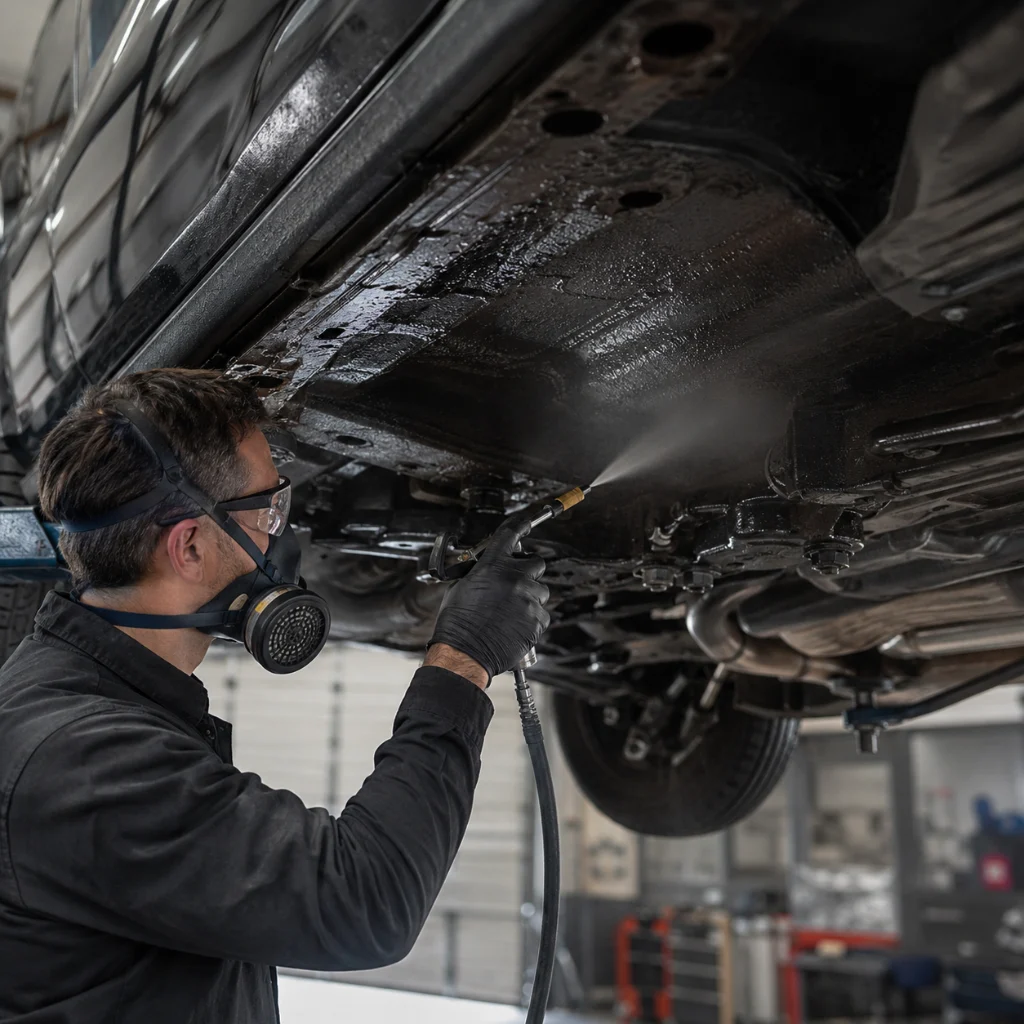
You start by cleaning the vehicle’s underside with water and letting it dry. Then simply spray or brush Lanoguard directly onto areas like the chassis, axles, brackets and fixings. It only takes a short time to apply, and it bonds quickly, even over light surface rust.
You don’t have to remove every speck of old corrosion first, making it ideal for annual top-ups or treating a well-used vehicle that’s seen a few winters. It’s even safe to use near soil or drains, meaning it won’t damage the environment if overspray lands where it shouldn’t.
For those looking to apply it themselves, take a look at our full choice of options on the Lanoguard treatment page, including application kits that suit different vehicle sizes and conditions.
Real Results Across All Types of Use
We hear from so many customers across all parts of the UK, each with slightly different needs but the same goal: to stop rust. Some are classic car owners. Others drive off-road, tow caravans or work in agriculture. They all want something they can trust to hold up in messy, real-world conditions.
Lanoguard has become a favourite among 4×4 drivers who want reliable underbody protection without stripping their rig down every year. Farmers appreciate it on trailers and tractors. Some customers even use it on marine gear, thanks to its strong resistance to saltwater.
One Land Rover enthusiast shared how their annual application means they’re now seeing less rust on spots that used to flake every winter. Another explained how the treatment saved hours of repair work usually needed after muddy off-road weekends and salty January commutes.
It’s no wonder more vehicle owners now plan their annual Lanoguard treatment before the winter months, treating it as part of regular seasonal prep to fight rust before it starts.
Stronger Than Traditional Underseals
For years, people have used petroleum-based underseals, but those coatings can cause big problems if not applied properly or if they break down over time. They often dry hard and brittle, which means they can crack and let water seep underneath. Then you’re left with hidden rust spreading below the surface that you can’t even see.
Lanoguard works differently. It stays slightly soft and flexible, so it moves with your vehicle and doesn’t split or flake. It also doesn’t trap moisture like some sealants might. Because it’s clear, you can see the condition of your metal parts underneath, which makes inspection and touch-ups a breeze. That’s a major plus when you’re trying to stay one step ahead of rust development.
People who switch to Lanoguard often notice they don’t need to reapply it nearly as often. It lasts through rough weather, mud and salt. That saves time and money year after year.

Application and Tools: What You’ll Need
Getting results with Lanoguard is straightforward. Start by washing down your car’s underbody and letting it dry completely before application. Water stops the formula from bonding properly, so drying matters.
We recommend you apply it once a year, especially in autumn, before salt-covered roads become a daily issue. If your vehicle sees lots of action in harsh environments, you might consider reapplying every six months.
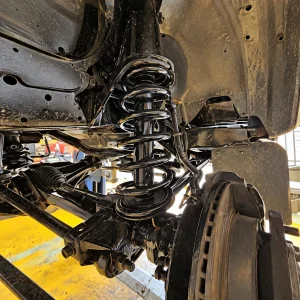
Make sure to cover all vulnerable areas: the chassis, suspension parts, leaf springs, exhaust brackets and any bolts or fixings you can access.
Lanoguard is available in ready-to-use bottles, aerosol spray cans and full kits with hoses and lances for harder-to-reach jobs. You can find everything you need by visiting our Lanoguard product listings page.
How It Protects More Than Just Metal
Because Lanoguard’s formula is gentle, it doesn’t hurt rubber or plastic parts, making it safe for use across the full underside of your vehicle. This includes shielding wiring looms, brake pipes and fuel lines, which can also suffer from corrosion in winter driving. This all-around protection means better long-term care for the stuff we don’t usually check often but need the most.
We at Guardian Shield also love that, unlike hard underbody sealants, Lanoguard does not mask the vehicle’s frame. You can keep a close eye on parts as the seasons go by instead of guessing what condition they’re in under layers of black gunk.
Frequently Asked Questions
We get asked lots of questions about using Lanoguard, so we’ve put together a full FAQs page to answer the most common ones. If you’re unsure about how to prep your car for application or which product size to buy, it’s all covered there.
If there’s something you need help with, you can always contact us directly. Our team is always happy to walk you through any part of the process, from ordering to application.
Rust Prevention Made Simple With Guardian Shield
Rust can silently eat away at your car’s value and strength. At Guardian Shield, we believe the best way to deal with it is to stop it before it starts. That’s why Lanoguard has become one of our most trusted tools in the fight for cleaner, longer-lasting vehicles.
It offers the right kind of protection for the UK’s unique driving conditions: lots of rain, road grit and salt. It’s easy to use, doesn’t damage the environment, and works on all kinds of vehicles. It’s just as useful on modern family cars as it is on classic Land Rovers and workhorse pickups.
If you’re ready to give your vehicle proper underbody protection, we can help. Whether you’re looking to book a treatment or do it yourself with one of our kits, visit our booking page to get started.
Why More UK Drivers Are Choosing Lanoguard for Long-Lasting Rust Protection
Lanoguard has clearly earned its place as a go-to product for rust prevention in the UK because it delivers where it counts. It stands up to wet roads, salt spray and typical British weather, applying easily and lasting longer than many alternatives.
We’ve helped hundreds of vehicle owners protect their investments, reduce maintenance and enjoy peace of mind knowing their car is well-prepared for all seasons. Whether you’re maintaining a classic, prepping your adventure rig, or just keeping your daily motor in shape, Guardian Shield has the tools and know-how to keep rust away.
Take the next step in underbody protection today. Book your treatment, grab your application kit or explore our advice pages to keep your vehicle rust-free for the road ahead.