Rust Prevention Underseal: A Closer Look at Lanoguard vs Traditional Coatings
Everyone who owns a vehicle knows rust can be a nasty problem, especially when it’s hiding on the underside. Whether you’re driving through salted winter roads or splashing through muddy trails, the metal parts underneath your car, van, or 4×4 are at serious risk. That’s where a good rust prevention underseal makes all the difference.
At Guardian Shield, we work with vehicles every day and help owners keep rust at bay with reliable treatments. In this article, we’ll have a proper look at two main types of vehicle underbody protection: Lanoguard, a lanolin-based spray, and traditional products such as bitumen or wax underseal. We’ll weigh up performance, durability, ease of use and safety so you can decide what works best for your vehicle.
Why Rust Begins and How to Slow It Down
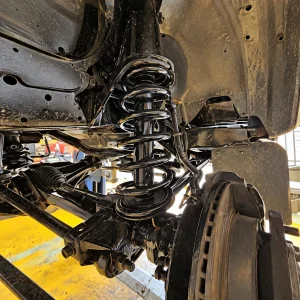
Rust is a simple reaction: it forms when iron or steel reacts with water and oxygen. It eats away at the metal and can weaken crucial vehicle components like the chassis, floor panels, axles, and suspension arms.
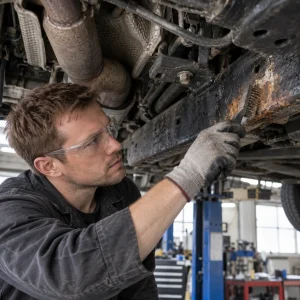
Vehicles running in coastal areas or places where roads are frequently salted in winter are especially at risk. Even light off-roading can invite water and grime into hard-to-reach parts of the underbody. Left alone, surface rust can quickly become structural.
That’s why proper rust prevention underseal can be the difference between a vehicle that stays safe and serviceable, or one that ends up as a failed MOT.
Traditional Underseal: What’s Involved?
Material and How It’s Used
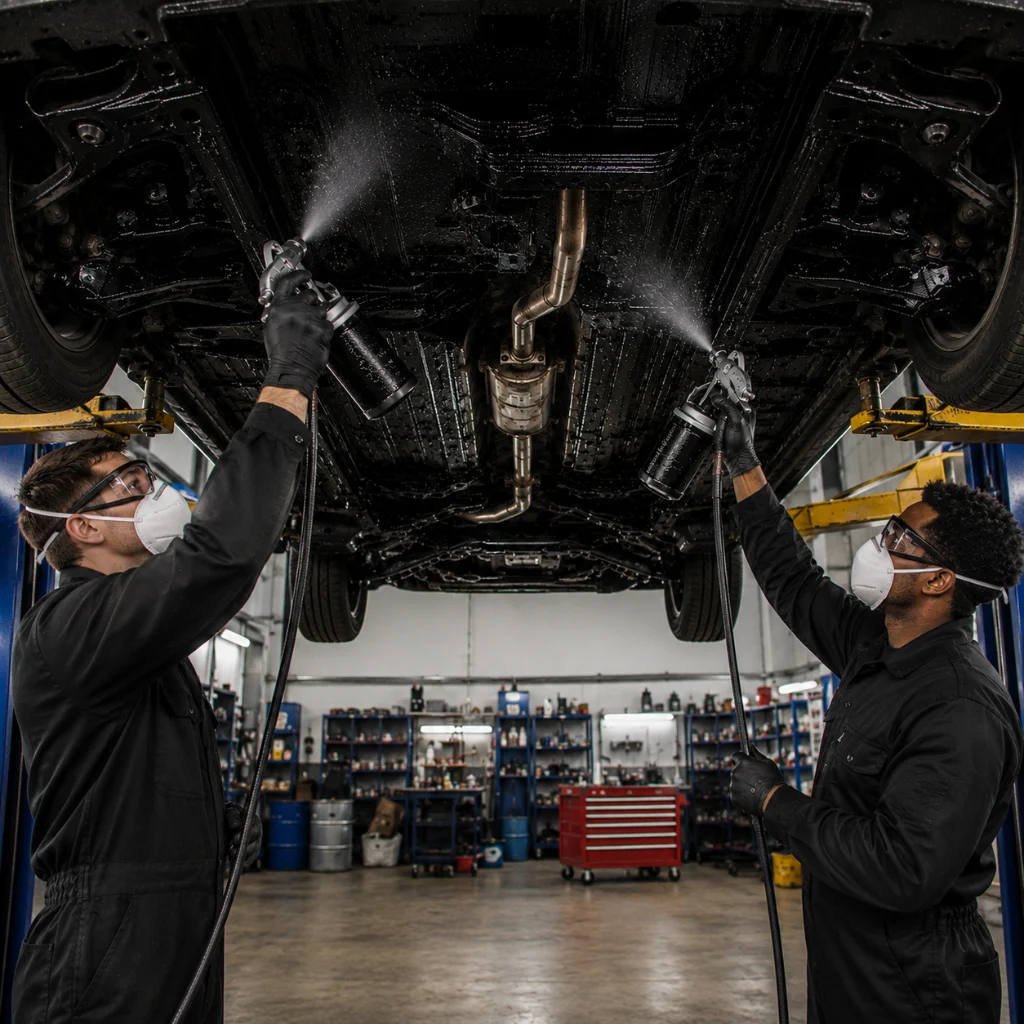
Most traditional underseal products are bitumen-based or wax-oil blends that harden into a protective shell. They’re brushed or sprayed directly onto the underbody after cleaning. For best results, any flaky rust or paint should be removed first.
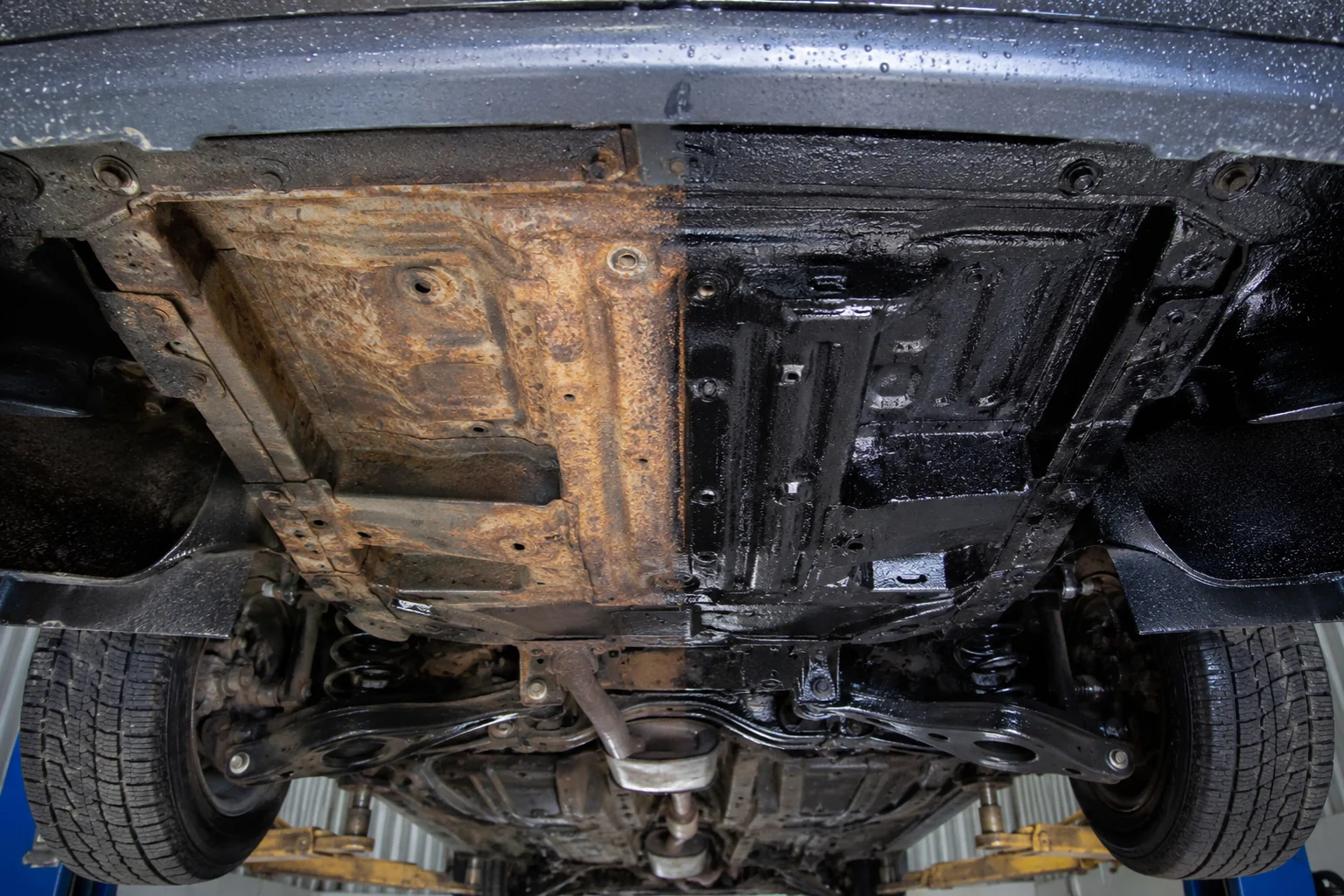
This layer creates a physical barrier to moisture and salt. It’s often thick and black, covering the metal with a durable-looking coating.
Strengths and Weak Points
These coatings are good at keeping moisture out for a while. Bitumen underseal hardens into a shell, but that means it can crack with age, especially after a few seasons of temperature change and road impact. Once a crack forms, moisture can creep in and start rusting the metal underneath. The worst part? You often can’t tell it’s happening until it’s too late.
As for reapplication, you’ll need to scrape off the old, hardened product before repairing the surface, which can be awkward and messy.
Learn more about professional support for underseal repair by checking out our car repair services.
Lanoguard and Lanolin-Based Rust Protection
What It’s Made From and How It Works
Lanoguard is made from lanolin oil, the same natural substance found in sheep’s wool. It’s applied as a spray-on treatment over clean metal. Unlike traditional underseal, it doesn’t need a perfectly rust-free surface. It actually slows down existing rust and prevents it from spreading.
What makes it different is that, rather than hardening, it forms a flexible, breathable layer that repels water and salt while creeping into seams, bolts, and joints.
And because it’s non-toxic, you’re not breathing in chemicals while working with it. That makes it ideal for DIY users or anyone treating vehicles at home.
Find out more about our Lanoguard treatment options.
Longevity and Practical Benefits
Lanoguard holds up well in a variety of weather conditions, from icy lanes to salty sea air. It doesn’t dry out or crack. Instead, it stays grippy and sticks to the surface, meaning it moves with the vehicle as it flexes and bounces around.
You will need to reapply it once a year, but there’s no need to strip off the previous coat. Just clean off any heavy grime and recoat.
If you use your vehicle off-road or in wet and gritty areas often, the added water and salt resistance is a proper game-changer when it comes to keeping corrosion out.
Comparing Rust Prevention Effectiveness
When it comes to guarding against rust in the underbody, no one treatment is right for every situation. Still, Lanoguard tends to offer more thorough coverage simply because of how it works. It seeps into welds, bolt holes, and crevices where rust often starts.
On the other hand, traditional rust prevention underseal forms a solid shell. That barrier is highly resistant to moisture until it develops a weakness. If a stone chip or crack appears, water will collect behind it. And since the surface looks intact, you might not know rust is spreading underneath. This can lead to entire panels being compromised and expensive welding down the line.
To check how either method might help your specific vehicle setup, drop us a line on our contact page.
Durability, Environment, and Maintenance
Long-Term Performance
Standard bitumen-type underseal can last several years, but it may become brittle over time. Winter grit, speed bumps, and vibrations can work against it, and patching it up isn’t always an easy job.
Lanoguard, although needing annual re-spraying, stays flexible and functional. It continues protecting metal as long as it’s topped up once a year. And since it doesn’t trap moisture, there’s less danger of rust sneaking in along hidden spots.
Sustainability and Safety
Another point to think about is safety for the person applying it and the planet, too. Traditional underseal may release harmful vapours or contain VOCs that are best avoided with basic ventilation and PPE.
Lanoguard is safer to use and contains no harsh chemicals, so there’s no strong smell or dangerous residue. It’s even safe near water, so marine vehicles and trailers can benefit from it too.
If you’re into safer, hands-on vehicle care, Guardian Shield recommends giving lanolin-based treatments serious thought.
Choosing Vehicle Underbody Protection for Your Needs
What’s Right for You?
Both Lanoguard and traditional underseal are effective, depending on your driving and maintenance style.
If you want maximum DIY control, easy seasonal top-ups, and long-term flexibility, Lanoguard is a smart pick. Its ability to coat intricate areas is great for vehicles used in tough conditions like off-roading or winter driving.
Interested in seasonal treatments? We make it easy through our simple booking service.
But if you’re after a heavier-duty coating once every few years and are happy to spend more time on preparation and application, a traditional underseal might be a solid choice, particularly for older vehicles with extensive rust already removed.
Examples and Everyday Use
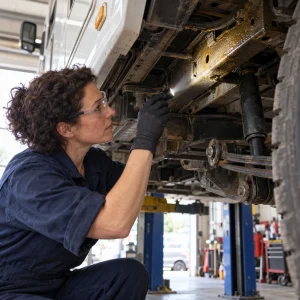
We often hear from customers preparing for an MOT who suddenly notice rust beginning to appear under their car. It might start as a crusty patch on the sill or a flaky shock tower. Having rust prevention in place for just one winter could save hundreds of pounds in chassis welding or replacements.
And it’s not just cars and vans. Motorhomes, ATVs, campers and even trailers benefit from planned underbody protection. You can find answers to lots of common questions over on our FAQs section.
Rust Prevention Underseal: Which One Holds Up Better?
Protecting your vehicle’s spine, the chassis, and everything hanging from it can make all the difference in long-term performance.
Lanoguard works well against rust you can’t always see, while bitumen-based coatings offer thick, obvious protection but don’t always tell the full story when things go wrong underneath.
If we had to sum it up:
- Looking for clean, quick, DIY-friendly use? Lanoguard is ideal.
- Want a once-every-few-years heavy-duty option and are ready to invest in prep? Traditional underseal might work better for you.
At Guardian Shield, we’re happy to help you pick the right option or combine both for reinforced protection.
Protect Your Vehicle Before Rust Takes Hold
Keeping your car’s underbody protected from rust isn’t just smart, it’s essential. If you drive year-round and want to make sure your chassis stays strong, it’s time to take action.
Whether you prefer the clean, non-toxic convenience of Lanoguard or the solid seal of a traditional underseal, both options contribute to smart vehicle underbody protection.
Want advice, help with an application, or a full protective service? Reach out to Guardian Shield today or make a quick booking online, and let’s protect your vehicle against the rust that’s always waiting to sneak in.