Motorhomes take a proper battering over the years. Long spells parked up on a driveway, wet weather, salty roads in winter, and the sheer weight of the vehicle all add up to one thing: rust creeping into places you can’t easily see. If you own a motorhome, keeping the chassis and underbody in good condition is one of the smartest things you can do to protect your investment and keep your travels worry-free.
Why motorhome rust protection matters so much
A motorhome isn’t like an ordinary car that gets driven daily and dries out on the school run. Many spend weeks or months sitting still, often on grass or gravel, soaking up moisture from the ground below. That damp sits against the chassis and underbody for long stretches, giving rust plenty of time to take hold. Add in road salt from winter trips, stone chips from motorway driving, and the extra weight of water tanks, gas bottles, and living quarters pressing down on the frame, and you can see why the chassis takes such a hammering.
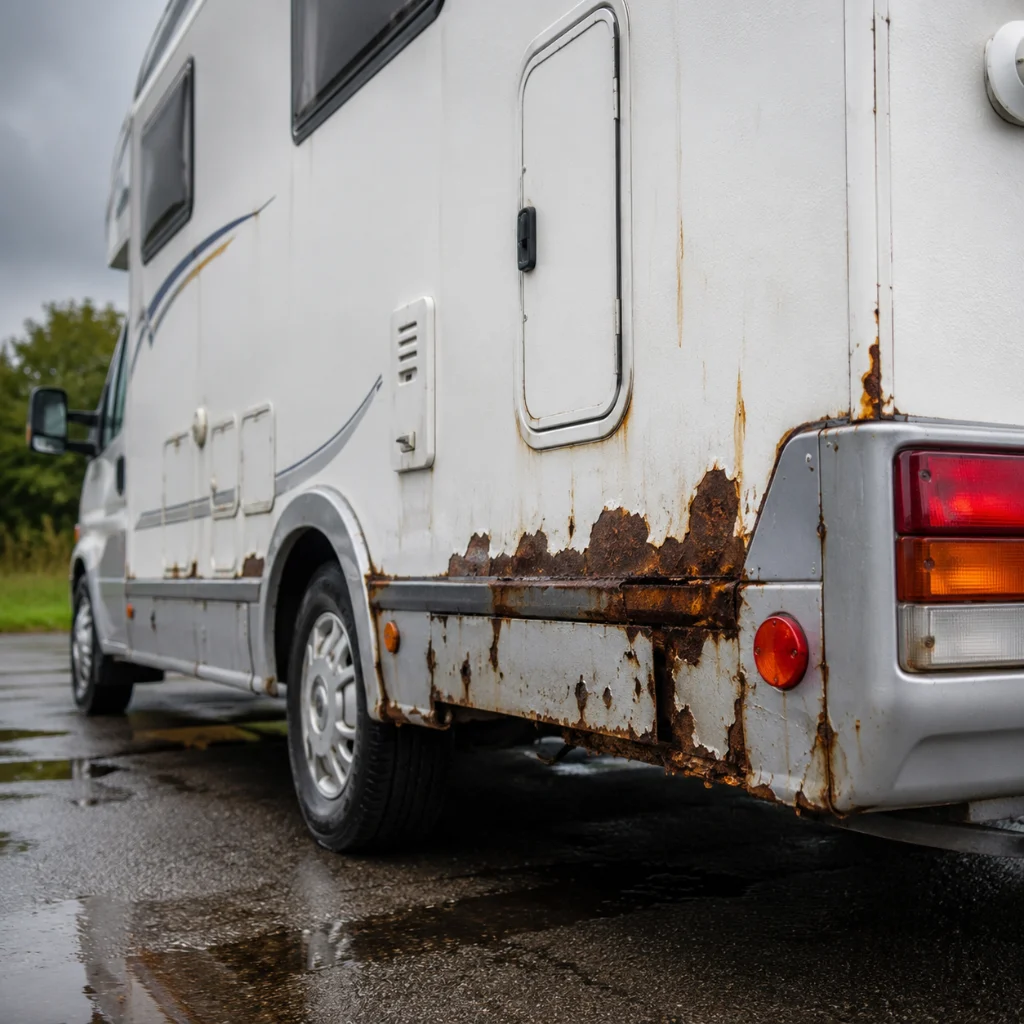
This is where proper motorhome rust protection becomes so important. Left untreated, rust can quietly spread beneath the surface, weakening the very structure that holds your vehicle together. By the time you spot bubbling paint or flaking metal, the damage underneath is often much worse than it looks.
How rust actually gets started
Rust needs three things to grow: iron, oxygen, and water. Your motorhome’s chassis is made largely of steel, so the iron is already there. Oxygen is everywhere in the air. That leaves water as the missing piece, and unfortunately motorhomes pick up water from all sorts of places, including rain, road spray, condensation, and even the salty grit spread on roads during colder months. Once rust starts, it doesn’t just sit still. It spreads, flakes, and eats away at metal from the inside out, which is why catching it early and stopping it before it starts makes such a difference.
What proper underbody protection actually involves
Good underbody protection isn’t about slapping on a quick coat of paint and hoping for the best. It’s about applying a treatment that gets right into the seams, joints, and hidden corners of the chassis where moisture likes to gather. A well-applied treatment forms a barrier that keeps water and salt away from bare metal, stopping rust before it has a chance to start.
Many owners ask why this matters so much for the underbody specifically. The answer lies in exposure. The top of your motorhome gets rained on, but it also dries out quickly in the sun and wind. The underbody, by contrast, stays damp for far longer after a wet drive, especially if the vehicle is parked up straight afterwards. That prolonged dampness is exactly what rust needs to thrive, which is why underbody rust protection deserves just as much attention as the bodywork you can see.
Suspension and chassis components need attention too
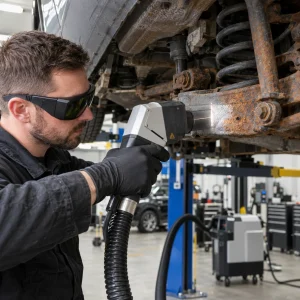
It isn’t only the flat panels underneath your motorhome that suffer. Suspension parts, brackets, and mounting points are often overlooked, yet they carry huge amounts of stress every time you drive over a pothole or uneven surface. If corrosion weakens these components, it can affect handling, safety, and the overall lifespan of the vehicle. Treating these areas properly means your chassis and suspension stay protected from corrosion for years rather than months, giving you real peace of mind on every trip.
Comparing traditional methods with modern rust protection
For years, owners have relied on wire brushing, chemical stripping, or sandblasting to deal with rust once it appears. These methods can work, but they come with drawbacks. Wire brushing is slow and often misses rust hidden in seams. Chemical stripping can be harsh on paintwork and surrounding materials. Sandblasting is effective but can wear down thinner metal if not handled carefully, and it doesn’t leave any lasting protection behind once the job is finished.
A better approach focuses on prevention rather than repair. Rather than waiting for rust to appear and then fighting to remove it, a protective treatment applied early stops the problem before it begins. This is a much calmer and more cost-effective way to manage your motorhome’s long-term condition, saving you the stress and expense of major repairs further down the line.
Why a lanolin based treatment works so well
One method that has become popular among motorhome owners uses a lanolin based formula. Lanolin comes from sheep’s wool and has natural water repelling properties, which makes it brilliant at keeping moisture away from metal surfaces. Unlike some older treatments that harden and crack over time, a lanolin based product stays flexible, which means it keeps working even as the chassis flexes and moves during driving.
This kind of lanolin based treatment gets into every nook and cranny, coating the metal thoroughly rather than just sitting on the surface. It doesn’t wash off easily in the rain, and it continues to protect for a long time before needing to be reapplied, which makes it a sensible choice for anyone wanting lasting motorhome rust protection without constant upkeep.
The bigger picture: protecting your motorhome’s value
Rust doesn’t just look unsightly. It can seriously affect the resale value of your motorhome and, in more serious cases, its safety on the road. Buyers and inspectors alike will check underneath a vehicle for signs of corrosion, and a chassis riddled with rust spots is a major red flag. Keeping on top of protection now means avoiding awkward conversations and lower offers when the time comes to sell or part exchange.
Beyond resale value, there’s also the simple matter of enjoying your motorhome without constant worry. Nobody wants to be checking underneath their vehicle every few weeks, dreading what they might find. A solid protective treatment gives you the freedom to focus on the trips you want to take rather than the maintenance you’re afraid of putting off.
Understanding how vehicle rust protection treatments are applied
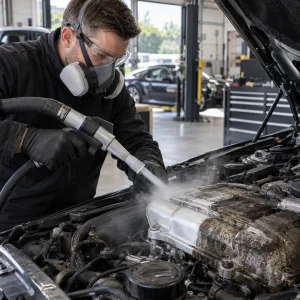
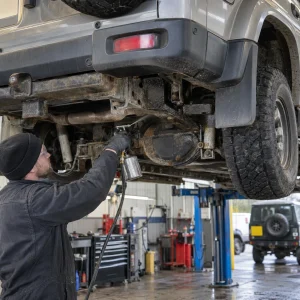
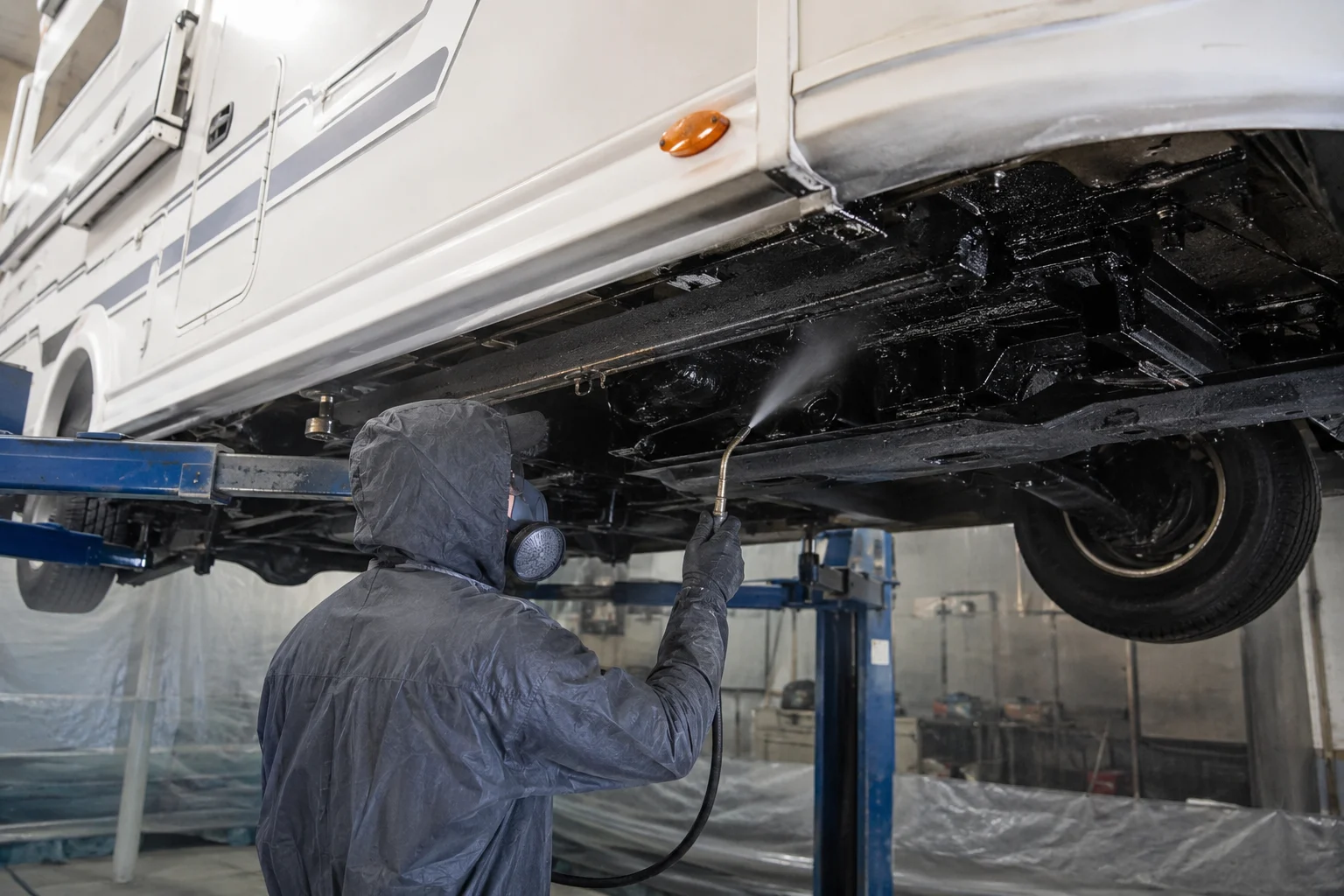
A proper application isn’t a rushed job. It typically involves cleaning the underbody thoroughly to remove dirt, grease, and any existing surface rust before the treatment is applied. This step matters because any product applied over dirt or old rust won’t bond properly, and its effectiveness drops significantly. Once the surface is clean, the treatment is sprayed on generously, reaching into box sections, chassis rails, and other hidden spots where rust commonly forms.
Understanding this process helps explain why vehicle rust protection works best when carried out by people who know exactly where to look and how to apply the treatment properly. A rushed or partial application leaves gaps, and those gaps are exactly where rust will find its way back in.
Getting motorhome rust protection sorted locally
If you’re based in the North West and want your motorhome properly looked after, it helps to work with people nearby who understand the specific challenges the local weather brings. Damp winters, salted roads, and long periods of storage are common concerns for owners across the region, and having access to rust protection services in Cheshire means you don’t have to travel far to get the job done well.
At Guardian Shield, we understand how much your motorhome means to you, whether it’s used for weekend getaways or longer adventures across the country. Getting the underbody treated properly isn’t just a box-ticking exercise; it’s a genuine step towards keeping your vehicle safe, sound, and ready for whatever the road throws at it.
FAQs
How often should motorhome rust protection be reapplied?
This depends on how often the vehicle is used and where it’s stored, but most treatments last a good few years before needing a top-up. Vehicles kept outdoors in wetter regions may need attention sooner than those kept under cover.
Can rust protection be applied to an older motorhome that already has some rust?
Yes, though any existing rust needs to be cleaned off first so the treatment can bond properly to the metal underneath. Tackling it early, even on an older vehicle, still helps slow down further damage.
Does rust protection affect the warranty on a new motorhome?
Most treatments applied to the underbody and chassis don’t interfere with manufacturer warranties, since they’re designed to protect rather than alter the vehicle. It’s always worth checking your specific warranty terms if you’re unsure.
Is it worth treating a motorhome that’s mostly kept in storage?
Absolutely, since storage conditions often trap damp against the chassis for long periods. Treating the vehicle before it goes into storage can make a real difference to how it looks and performs when it comes back out.
Keeping your motorhome free from rust isn’t complicated once you understand what causes it and how to stop it in its tracks. A little attention to the chassis, suspension, and underbody now saves a great deal of hassle, expense, and worry later on. Whether your motorhome is brand new or has a few years on the clock, proper protection keeps it road-ready and holds onto its value for longer.
If you’re ready to give your motorhome the protection it deserves, get in touch with Guardian Shield today and let’s get your vehicle sorted before the next trip.