The climate in the UK brings out the worst in metal. Constant rain, moisture in the air, icy winters, and the regular use of salt on the roads might be good for staying safe on slippery highways, but they’re a recipe for rust when it comes to your car’s underside. Whether you’re driving a works van through rural lanes or taking your 4×4 off-road, the risk of corrosion is always lurking beneath your wheels.
At Guardian Shield, we understand how damaging rust can be for a vehicle’s lifespan and safety. Too many drivers put off dealing with it until the problem is far advanced. But waiting around isn’t just risky; it’s expensive. Taking timely action can stretch the life of your vehicle, protect its value, and save you from all sorts of headaches later on. So let’s get into what works for effective chassis rust prevention and how to keep your underbody in shape all year round.
Why Underbody Protection Matters More Than Ever
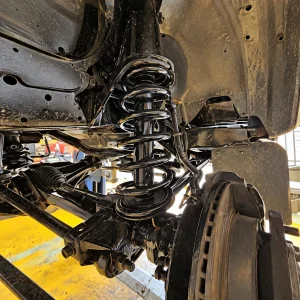
Keeping your underbody shielded from rust is one of the smartest long-term decisions you can make for your vehicle. Parts like the chassis, wheel arches, subframes, and suspension arms are all exposed to harsh elements every time you hit the road, especially in damp, salty, or muddy conditions.
Traditional methods of underbody protection, such as thick rubberised coatings, have been around for a while. They offer barrier protection, but if applied poorly or left unchecked, they can crack and sometimes even lock in moisture instead of keeping it out. This leads to a nasty case of hidden rust that spreads beneath the surface.
More modern approaches, such as treatments like Lanoguard, solve this problem by offering a different type of protection: one that repels water while allowing visibility of the surface beneath. These newer solutions make it easy to inspect and reapply products without having to scrape off old layers.
You can browse options for high-quality treatments and advice through services like Chassis Protectors, which offer expert information for different vehicles and needs all around the UK.
A Modern Take on Chassis Rust Prevention: Lanoguard Explained
Lanoguard has become one of the go-to products for rust prevention in recent years. Made from lanolin, the natural substance found in sheep’s wool, this product forms a sticky, translucent layer that strongly adheres to metal and pushes out water, salt, and oxygen, the three ingredients that fuel rust.
The key to its success? It doesn’t harden, crack, or flake. It stays flexible and always repels moisture. This not only prevents rust from forming but also keeps your chassis easily inspectable through MOTs or regular checks. Since it’s free from harmful chemicals, it’s also a friendlier option for the environment and safer for whoever’s applying it.
Lanoguard lasts roughly 12 to 18 months per treatment, meaning for most vehicles, a once-yearly touch-up is more than enough. Topping it up is straightforward, and there’s no need to spend hours removing old layers thanks to its non-hardening nature. For a deeper look, you can visit the Lanoguard treatment page, where application examples and options are listed clearly.
What You Need to Know Before You Apply Any Rust Prevention
Before applying a product like Lanoguard, proper prep work is crucial. Even the best treatments won’t stick well to surfaces covered in road grime, grease, or loose rust flakes.
We always recommend that you or your technician begin with a high-pressure wash of the underbody using water and a gentle, non-corrosive cleaner. Once dry, any remaining loose rust can be removed using wire brushes or sanders if needed. At this point, the metal is clean enough for treatment and will absorb the protection to its full potential.
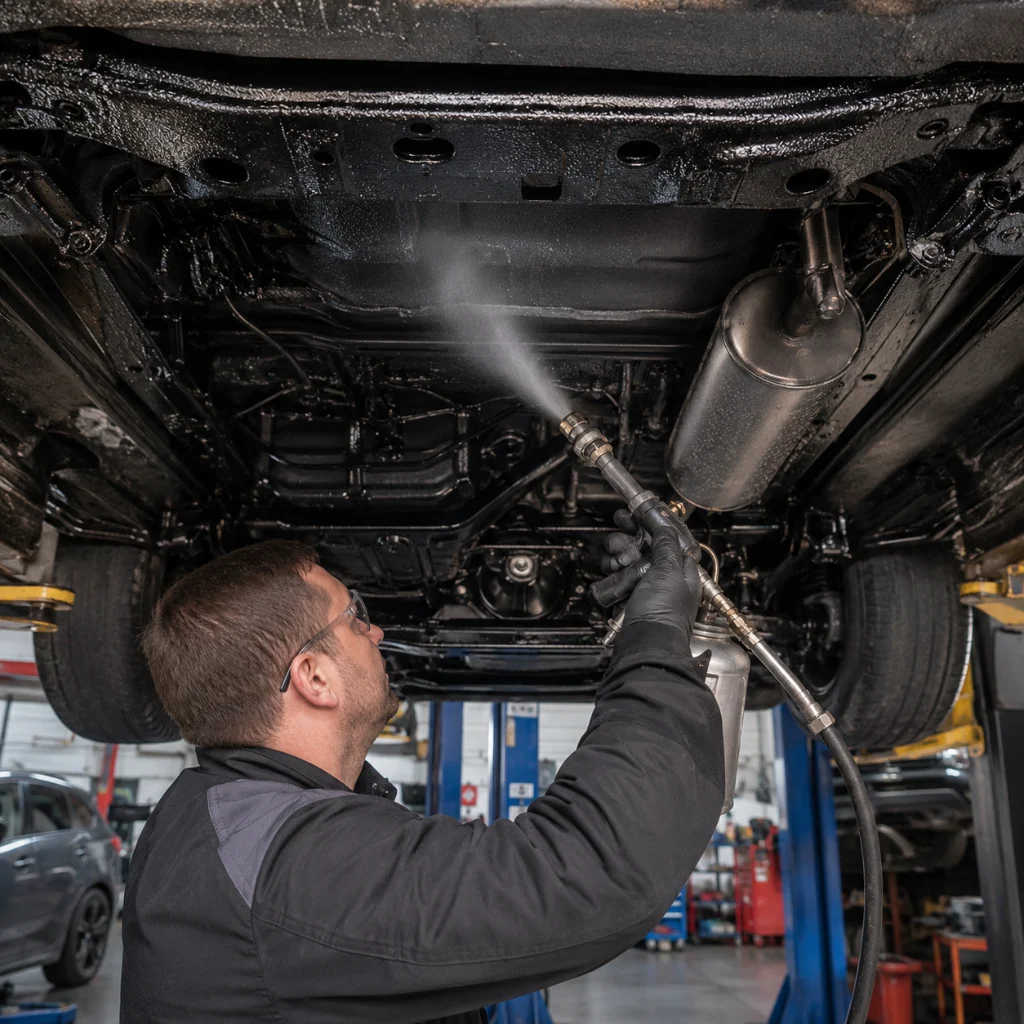
Application is usually done with a spray tool designed for creating a consistent mist. For best results, these tools have narrow nozzles that help reach tight creases and hidden areas like around brake lines and behind suspension components.
Done thoroughly, the spraying job usually takes a few hours, depending on the type and size of the vehicle. Whether you’re tackling a family hatchback or a long-wheelbase transit van, allowing enough time ensures you get every nook covered.
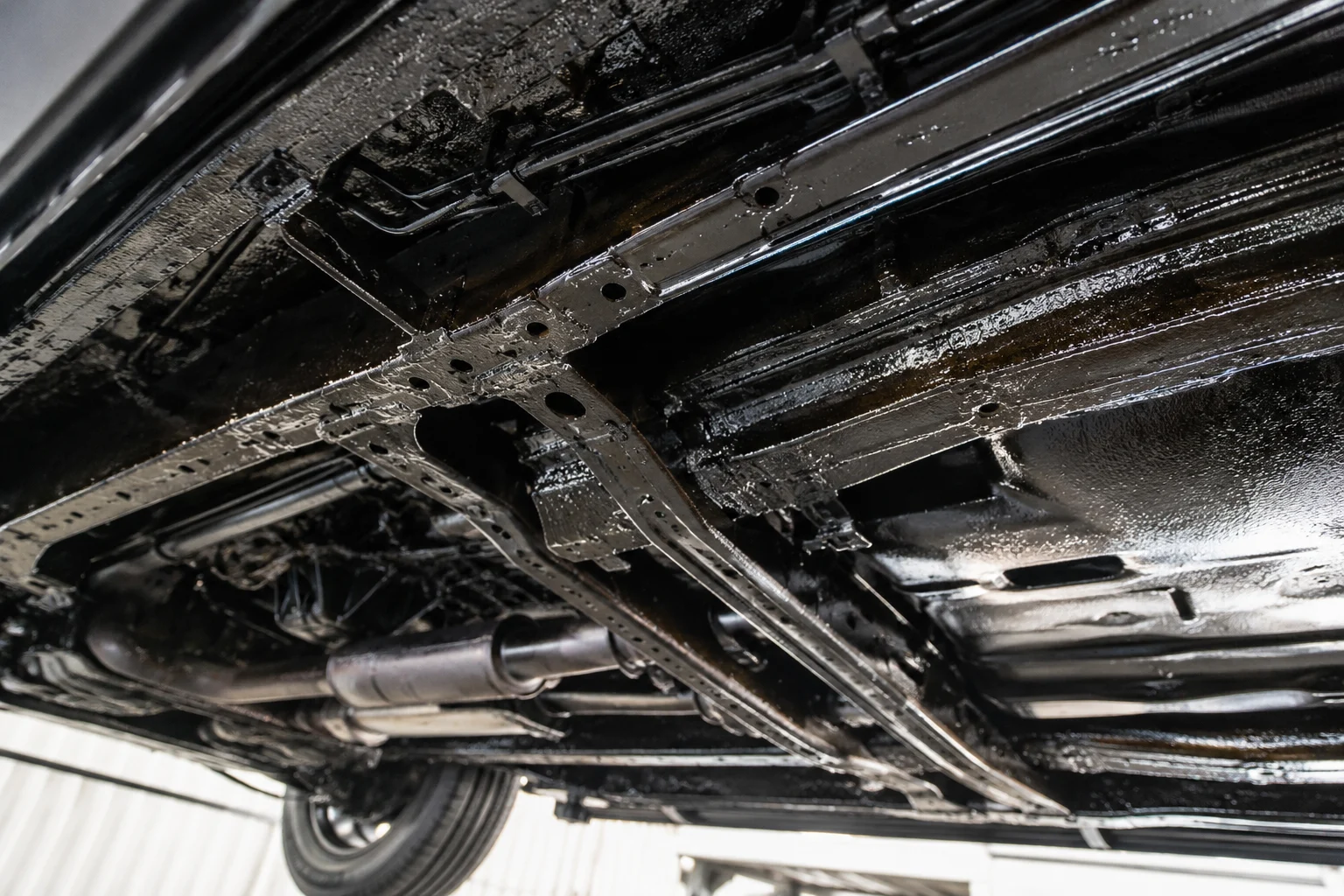
Keeping Rust at Bay in Cheshire: Real-World Use and Benefits
Lanoguard Cheshire is a great example of how local services are stepping in to help drivers stay ahead of rust problems. In places like Cheshire, where roads are often damp, and rural locations mean more exposure to mud and heavy doses of road salt, chassis rust prevention becomes even more urgent.
Local professionals offer tailored applications for everything from classic estate cars to campervans and work trucks. These vehicles face different types of wear and tear, and services like Lanoguard Treatment in Cheshire make sure your motor gets treated appropriately.
Vehicle owners using this treatment report far fewer issues with corrosion, even years into driving with regular exposure to harsh conditions. MOTs flag up fewer rust advisories and many drivers find themselves saving on welding and structural repair bills.
Underbody Protection and Long-Term Savings
Fixing rusted-out chassis parts can be one of the costliest repairs on any vehicle. That’s why stopping rust before it starts is a much more practical decision. Whether you’re a tradesperson needing a reliable van, a family with a daily driver, or someone preserving a classic car, quality underbody protection keeps your investment safer for longer.
Drivers living near the coast or in the countryside, where mud, sea spray or flooded roads are common, stand to benefit the most. Many report that treated vehicles handle better visually and mechanically through MOT inspections. Fewer surprises mean fewer costs.
Things to Watch Out For: Where Rustproofing Has Limits
While Lanoguard and similar treatments are highly effective, they’re not miracle solutions. They aren’t designed to remove existing rust, especially when that rust is deep or structural. If you’ve got flaky rust that’s already eating through the chassis, you might need mechanical repairs or even welding before applying any rust-proofing solution.
Also, no matter how quick the application appears, rushing the cleaning stage can undo all your effort. Grease or salt left on the underside can keep the treatment from sticking or doing its job properly. Whether you go DIY or bring in the pros, proper preparation is everything.
Treatments like Lanoguard are designed to work best when used early, either on brand-new cars or right after any existing rust issues have been resolved.
Why Guardian Shield Recommends Early Chassis Rust Prevention
From our experience at Guardian Shield, the best time to start thinking about rust protection is long before you see signs of damage. Getting ahead of it means you’ll protect the structural integrity of your car, keep repair costs low, and extend the usable life of even the hardest-working vehicle.
A yearly check-up and reapplication become more than just routine. It’s peace of mind. And when you combine a dependable product like Lanoguard with expert service in regions such as Cheshire, the results speak for themselves.
To learn more about Guardian Shield’s specialist team and values in providing the best rust protection, explore our About Us page.
FAQs
How often should I apply Lanoguard?
Typically, every 12 to 18 months, depending on how often and where you drive your vehicle.
Can I apply Lanoguard over existing rust?
Light surface rust is okay, as Lanoguard can help slow it down. But heavy corrosion should be treated or removed first.
Is Lanoguard safe for the environment?
Yes, it’s lanolin-based and free from toxic chemicals, making it better for both you and the environment.
Can I apply it myself?
Yes, though a professional job usually gives better coverage, especially in hard-to-reach areas. DIY kits are available for smaller jobs.
Will it affect my MOT?
Lanoguard leaves a translucent finish, so vehicle inspectors can still check your chassis. It often helps avoid MOT failures caused by rust.
Keeping Your Vehicle Protected All Year Round
Chassis rust prevention isn’t just a good habit; it’s an essential one in the UK’s wet and salty driving conditions. By protecting your underbody with long-lasting products like Lanoguard, you’re investing in your vehicle’s future while avoiding major repair bills. With seasonal maintenance and the right products, like those offered by Guardian Shield, your vehicle will stay stronger and safer on the road.
Start thinking of rust prevention as part of your yearly prep, just like getting winter tyres or topping up coolant. Let services like Chassis Protectors help guide your choices so you can drive with confidence, no matter what the elements throw at you.