Owning a motorhome means owning a bit of freedom on wheels, but that freedom comes with behind-the-scenes work. Rust and road grime attack the underside of your vehicle every single time you take it out, and most owners never see the damage until it becomes expensive. This article explains how proper motorhome rust protection works, why it matters for long-term reliability, and the steps we recommend to keep your vehicle safe for years to come.
Why motorhome rust protection matters more than you think
A motorhome spends a lot of its life parked up, sometimes for weeks at a time between trips. That sounds harmless, but standing water, damp ground, and trapped moisture underneath the chassis can quietly start a corrosion problem long before you notice anything wrong. Add in winter road salt, grit, and general wear from motorway driving, and you have a recipe for rust that spreads fast once it takes hold.
Rust does not stay in one place. It creeps along metal panels, weakens structural points, and can eventually affect brake lines, fuel lines, and suspension components. For a vehicle that is meant to carry your family safely on long journeys, that is not something to ignore. Getting ahead of the problem with proper treatment is far cheaper than fixing structural damage later, and it protects the resale value of your motorhome too.
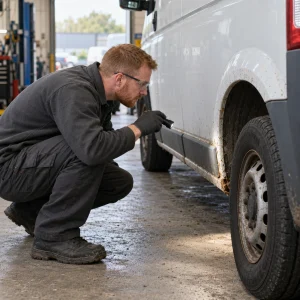
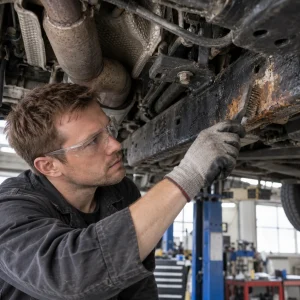
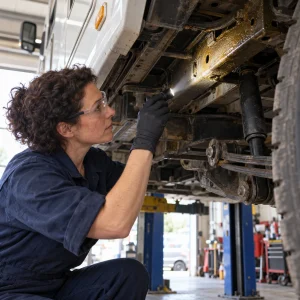
We often talk to owners who assume their motorhome is fine because it looks clean on the outside. The trouble is that rust starts underneath, in places you cannot see without getting down and having a proper look. That is why we always recommend a thorough inspection alongside any treatment plan, so nothing gets missed.
How road damage speeds up corrosion
Every mile on the road throws grit, salt, and moisture straight at the underside of your motorhome. Stone chips can crack away protective coatings, exposing bare metal to the elements within seconds. Once that happens, rust can begin forming almost immediately, especially in wet or coastal areas where salt in the air adds another layer of risk.
Motorway driving is particularly harsh because of the sheer volume of debris thrown up by other vehicles. Add in winter gritting, and your chassis is taking a real battering every time you head out. Without a strong barrier in place, this damage builds up quietly until small chips turn into serious corrosion patches that spread across the whole underbody.
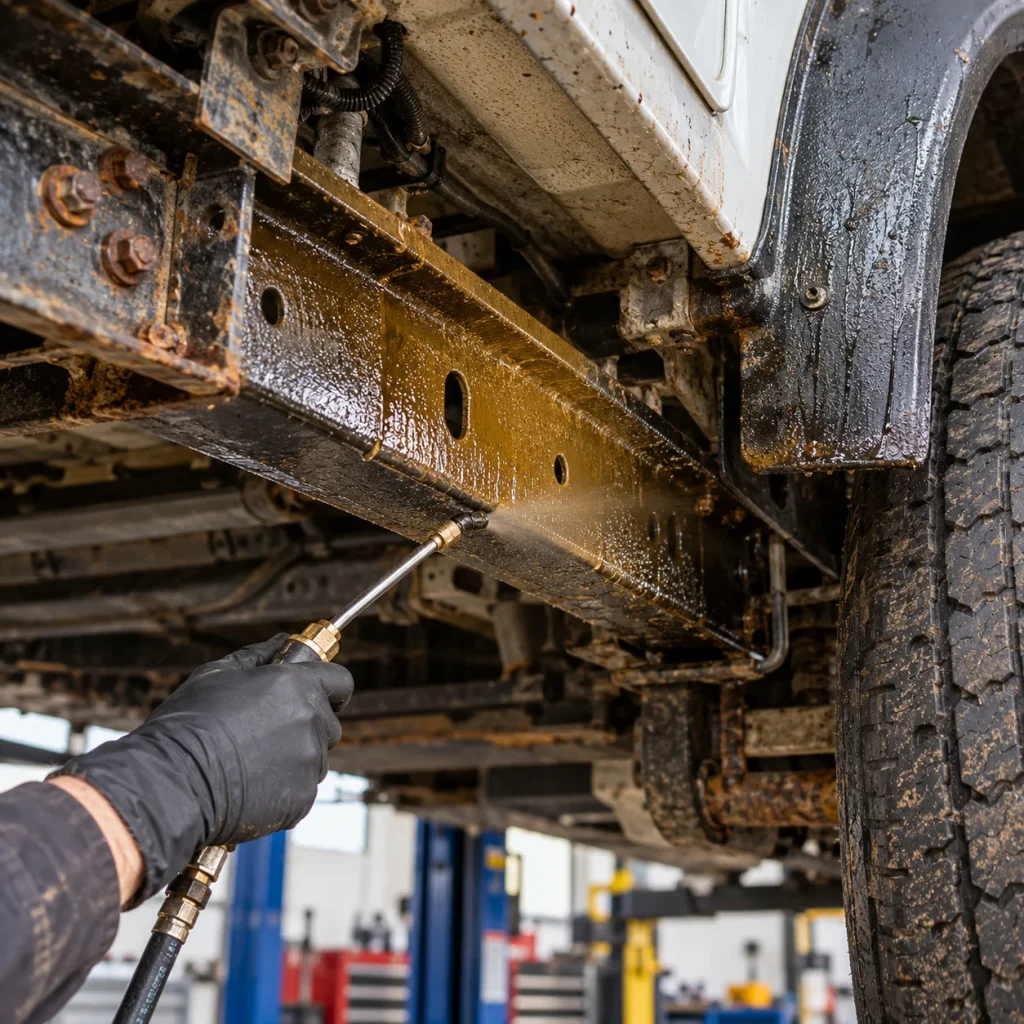
This is where a treatment like a proper lanolin-based coating makes a genuine difference. It creates a flexible barrier that moves with the metal rather than cracking under pressure, which means it keeps protecting even after stone chips and minor knocks that would otherwise let rust get a foothold.
What good motorhome rust protection actually looks like
Not all rust treatments are created equal. Some products simply sit on the surface and wash off within a few months, giving a false sense of security. Others harden over time and crack, which actually traps moisture underneath and speeds up corrosion rather than stopping it. Proper protection needs to do three things well: bond to the metal, stay flexible in all weather, and keep working for years rather than months.
We favour treatments built around natural, breathable formulas because they do not seal in existing moisture the way some synthetic waxes can. Instead, they displace water on contact and continue repelling it for the long term. This matters hugely for motorhomes, which often sit unused for stretches of time and need protection that keeps working even when the vehicle is not moving.
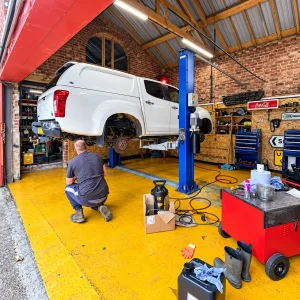
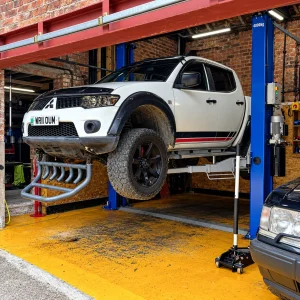
Applying treatment properly also means covering every part of the underbody, not just the obvious flat panels. Wheel arches, chassis rails, brake lines, and suspension mounts all need attention, since these are the areas most likely to trap moisture and start rusting first. You can read more about why full underbody rust protection is worth the effort, particularly for vehicles that spend a lot of time on varied road surfaces.
The role of suspension and chassis components
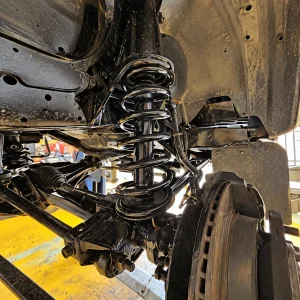
It is easy to focus on the bodywork and forget about the parts underneath that keep your motorhome sitting level and driving smoothly. Suspension components take a huge amount of stress from every pothole and speed bump, and once corrosion sets into these areas, the cost of repair climbs quickly.
Corroded suspension parts can also affect handling and safety, which is obviously a serious concern for a vehicle carrying passengers and often towing weight. Keeping these components protected is not just about avoiding an expensive bill; it is about keeping everyone on board safe on the road.
Treating the chassis and suspension together as one connected system tends to give the best results. When you protect one part but leave another exposed, rust simply finds the weak point and spreads from there. Guardian Shield always recommends treating the whole underbody as a single job rather than picking and choosing areas, and you can find out more about how proper chassis protection guards suspension parts against ongoing corrosion.
Choosing the right rust protection treatment
With so many products on the market claiming to stop rust, it can be hard to know where to start. Some are aimed at cars and simply are not built to cope with the weight and size of a motorhome chassis. Others promise quick fixes that do not hold up once winter arrives and road salt starts doing its work.
The treatments we trust most are based on lanolin, a natural substance that has been used for decades to protect metal from moisture and salt damage. It works by forming a soft, flexible coating that keeps working even as the vehicle flexes and moves over rough ground. Unlike hard wax coatings, it does not crack or flake away, which means the protection lasts far longer between applications.
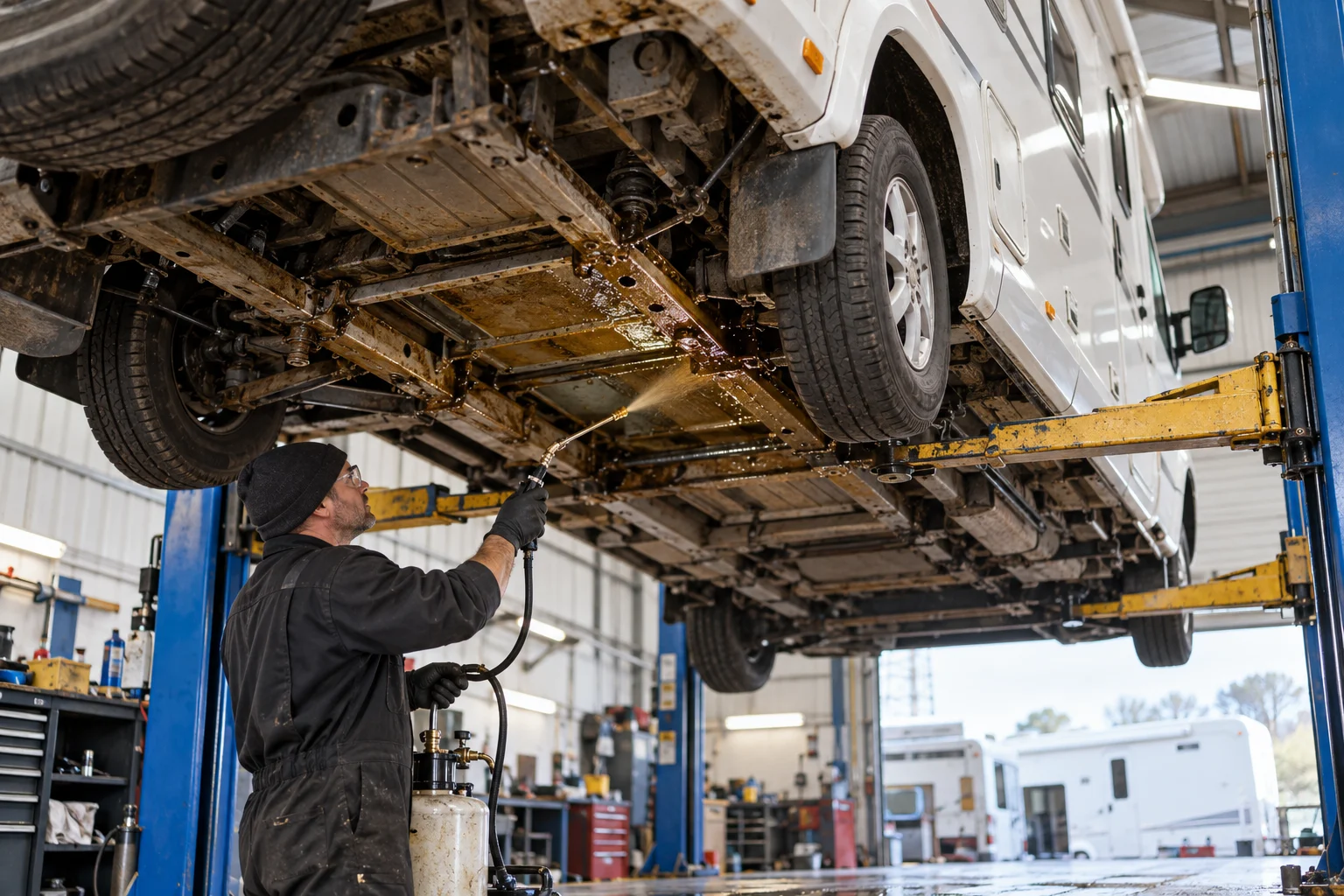
We think it is worth understanding exactly how this type of treatment works before booking anything in, so you know what you are paying for and why it makes such a difference. There is a detailed explanation of how lanolin-based rust protection holds up against everyday road conditions, including the kind of long journeys and varied weather that motorhome owners regularly face.
Motorhome rust protection as part of regular maintenance
Rust protection is not a one-off job you tick off and forget about. Just like servicing your engine or checking your tyres, it needs to become part of your regular maintenance routine if you want it to keep working properly. Most treatments last a good few years, but conditions vary depending on how often you use your motorhome and where you tend to travel.
Owners who take their motorhomes near the coast or through winter road salt should expect to have treatments checked more often than those who mostly stick to dry summer trips. A quick yearly inspection can catch any areas where the coating has worn thin, long before rust has a chance to set in properly.
We always suggest booking your motorhome in ahead of winter, since that is when road salt and wet weather cause the most damage. Getting protection topped up before the cold months hit means your vehicle goes into the harshest part of the year with the strongest possible defence already in place.
Local expertise makes a real difference
Working with a team who understands the specific challenges of your local roads and weather can make all the difference to how well a treatment performs. Rural roads, coastal air, and winter gritting all vary depending on where you live, and a good rust protection provider will factor all of this into the advice they give you.
If you are based in the North West, it is worth knowing more about the kind of specialist support available closer to home. There is detailed information about rust protection services in Cheshire that covers exactly this sort of local knowledge, helping owners get treatment that suits the roads they actually drive on rather than a generic nationwide approach.
FAQs
How often should a motorhome be treated for rust protection?
Most motorhomes benefit from a full treatment every two to three years, though this depends on how often the vehicle is used and the conditions it faces. Motorhomes used regularly in winter or near the coast may need more frequent checks, while those kept mostly for summer trips can often go longer between treatments.
Can rust protection be applied to an older motorhome?
Yes, older motorhomes can still benefit greatly from treatment, though any existing rust needs to be cleaned and treated first before a new protective coating is applied. Getting an inspection beforehand helps identify any areas that need extra attention so the treatment works as effectively as possible.
Does rust protection affect the warranty on a new motorhome?
A properly applied rust treatment should not affect your warranty, and in many cases it actually supports it by keeping the vehicle in better condition. It is always worth checking with your manufacturer or dealer beforehand, but most reputable treatments are designed to work alongside existing warranty terms rather than against them.
How long does a typical treatment take to apply?
Most motorhome treatments can be completed within a day, depending on the size of the vehicle and how much preparation work is needed beforehand. Larger motorhomes or those with existing rust may take a little longer, since extra time is needed to clean and prepare the surface properly before the coating goes on.
Keeping your motorhome protected for the long run
Looking after the underside of your motorhome is not the most exciting part of ownership, but it is one of the most important. A little attention now, in the form of proper treatment and regular checks, saves you from far bigger problems and bigger bills further down the line. Guardian Shield always encourages owners to think of rust protection as part of the bigger picture of keeping a motorhome safe, reliable, and ready for the next adventure.
If you have not had your motorhome checked recently, now is a sensible time to get it booked in. Speak to our team about the right treatment plan for your vehicle, your typical routes, and the weather you tend to face throughout the year. Getting this right means fewer surprises later and many more years of trouble-free travel ahead.