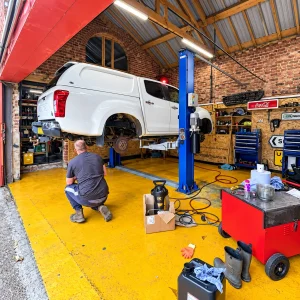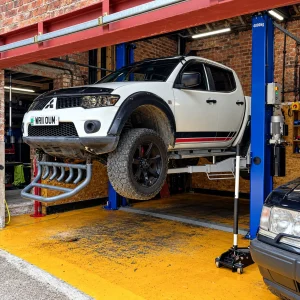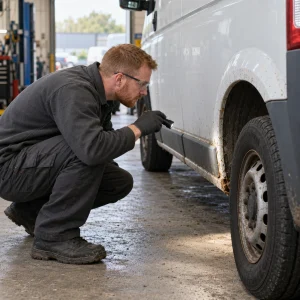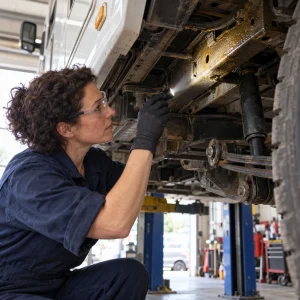
When it comes to protecting your vehicle on UK roads, rust is one of the biggest enemies. With our wet climate and the regular spreading of road salt, especially in winter, underbody corrosion can sneak up much faster than you’d expect. At Guardian Shield, we’re always looking for practical products to help keep your car lasting longer. In this article, we’re taking a close look at Lanoguard – a lanolin-based underbody rust treatment that’s growing in popularity. Is it worth it for vehicle rust protection in the UK? Let’s find out together.
Why Rust Is a Genuine Threat to UK Vehicles
If you’ve ever seen the underside of an older car in Britain, you’ll understand just how common rust really is. Moisture, grit, and road salt are everywhere, especially during our rainy autumns and gritting-heavy winters. These conditions form a perfect storm that wears away the protective coatings on your car’s metal components, leading to progressive rust.
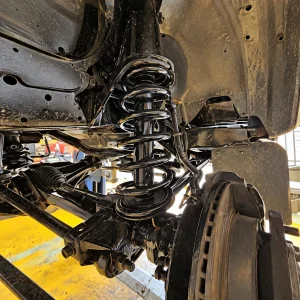
Vehicles like Land Rovers, campervans, and older work vans are especially vulnerable. The chassis, wheel arches, suspension, and brake lines are all at risk. If you’re based near the coast, you’ve got salt in the air as well, which makes things even worse. Without regular checkups or added protection, rust sets in faster than you’d believe.
What Makes Lanoguard Different for Underbody Rust Treatment?
Lanoguard takes a different approach from the traditional wax and oil products. It’s derived from lanolin, the natural oil in sheep’s wool, and it forms a water-resistant shield around the metal parts of your vehicle. Unlike some products that harden and crack over time, Lanoguard stays flexible and actively repels water and salt.
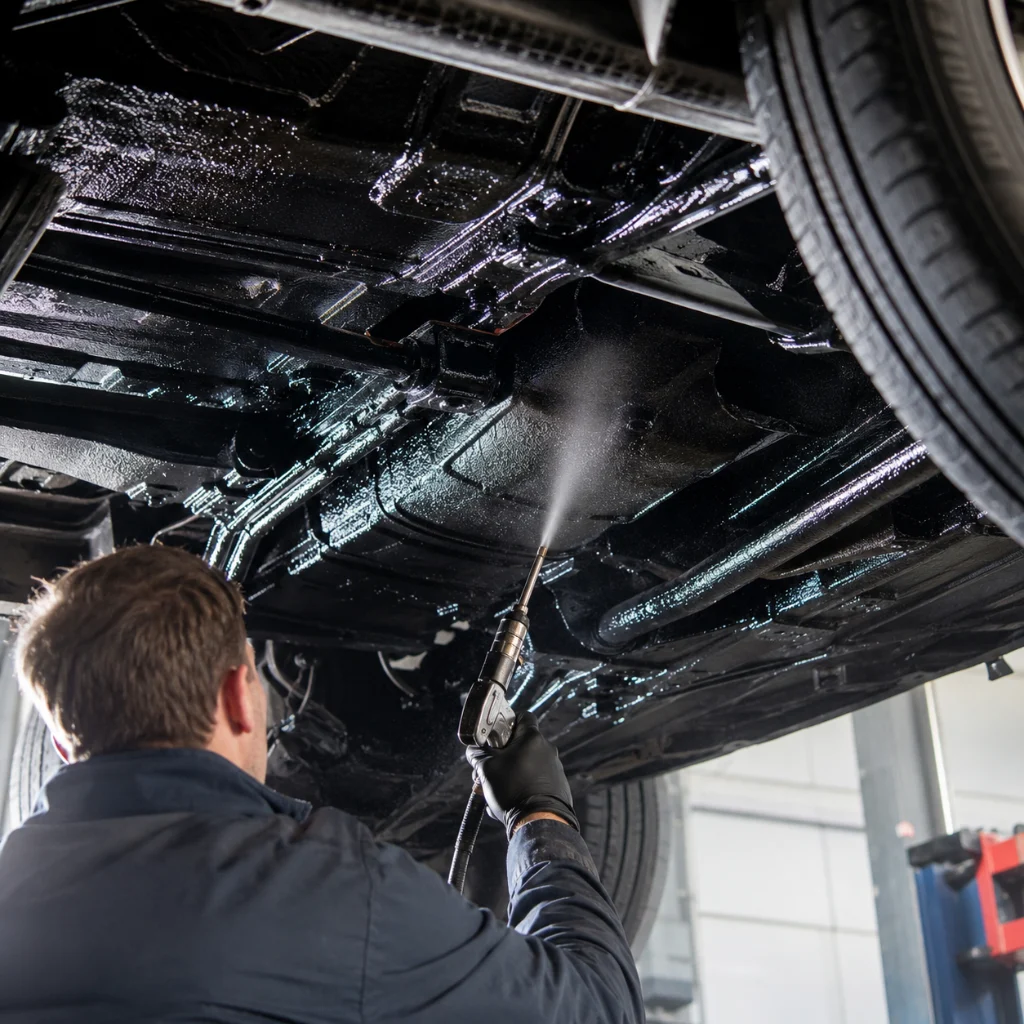
What we like is how easy it is to apply. For everyday drivers, weekend auto enthusiasts, or even professional users, you don’t need a full garage setup. With a spray gun, brush or even a simple pump-action sprayer, you can give your vehicle’s undercarriage a fresh protective layer right at home.
The fact that it doesn’t contain harmful solvents or chemicals also means you can apply it around rubber, plastics, hoses and wiring without stressing about damage. That matters when you’re protecting complicated underbody areas with mixed materials.
Key Benefits for Effective Vehicle Rust Protection
One of the biggest strengths of Lanoguard is how it tackles moisture. Its hydrophobic nature means it naturally repels water and keeps salt and oxygen physically separated from the bare or painted metal underneath. That’s what stops the corrosion process in its tracks.
Once it’s applied, it doesn’t dry into a brittle coating. Instead, it remains slightly tacky and active, sealing against the elements. Depending on your driving habits and where you live, a single application can last up to 12 months. Many factory coatings can’t offer that kind of long-term coverage without damage.
Maintenance is simple too. If a bit gets scraped off by road grit or rocks, you can patch it easily without stripping the rest. Just clean the surface and reapply. That flexibility is valuable if your vehicle sees a lot of country roads, coastal trips, or off-road trails.
How It Compares to Other Underbody Rust Treatment Options
Let’s face it: there’s a pile of rust protectors out there. So how does Lanoguard stack up?
Wax-based coatings used by many garages are decent to start, but they often become brittle. Over time, these coatings crack, trap moisture beneath them, and can accelerate rust if not reapplied perfectly. That’s the last thing anyone wants.
Oil-based underbody rust treatments can seep deeper into cracks, but they’re also messier, stickier, and more likely to attract grit. They often need topping up more often too, especially if your vehicle gets washed a lot or sees frequent dirt track driving.
Factory undersealings that come applied on many newer vehicles do provide an initial layer of protection. That said, wear and tear inevitably breaks them down. If your car is more than a few years old or used in tough conditions, they might not be enough. Something like Lanoguard adds an extra line of defence that actually sticks around.
Want a treatment that holds up through seasons and keeps the environment in mind? That’s where Lanoguard shines.
Limitations to Consider Before You Apply
No miracle product works without any prep, and Lanoguard is no exception. It’s a preventative, not a repair method. If your underside already has rust spots, they’ll need attention first. That involves things like wire brushing, applying rust converter or primer, and making sure the area is clean and dry. If you need help here, you can arrange expert support over at our car repairs section.
The application works best in mild, dry weather or beneath a covered space like a home garage. It needs time to settle on the metal before being exposed to road spray or rain. Also, if your vehicle goes through deep puddles or pressure-wash cleaning regularly, the protection layer could thin sooner and might need extra top-up.
Cost-wise, it’s pretty sensible. Because it’s a DIY option, you save on labour and only need to reapply once a year. Still, larger vans or chassis may require multiple cans or a kit to get full coverage. Talking to someone who’s already experienced with the job might help, and you can reach us easily through our contact page.
What Real-World Drivers Say
The feedback from UK drivers who’ve used Lanoguard is mostly positive. In many cases, folks who treated their campervans, 4x4s and work vehicles have reported minimal surface rust even after months of driving through salty, muddy and coastal areas. Visual inspections a year later often show that the coating is still active and doing its job well.
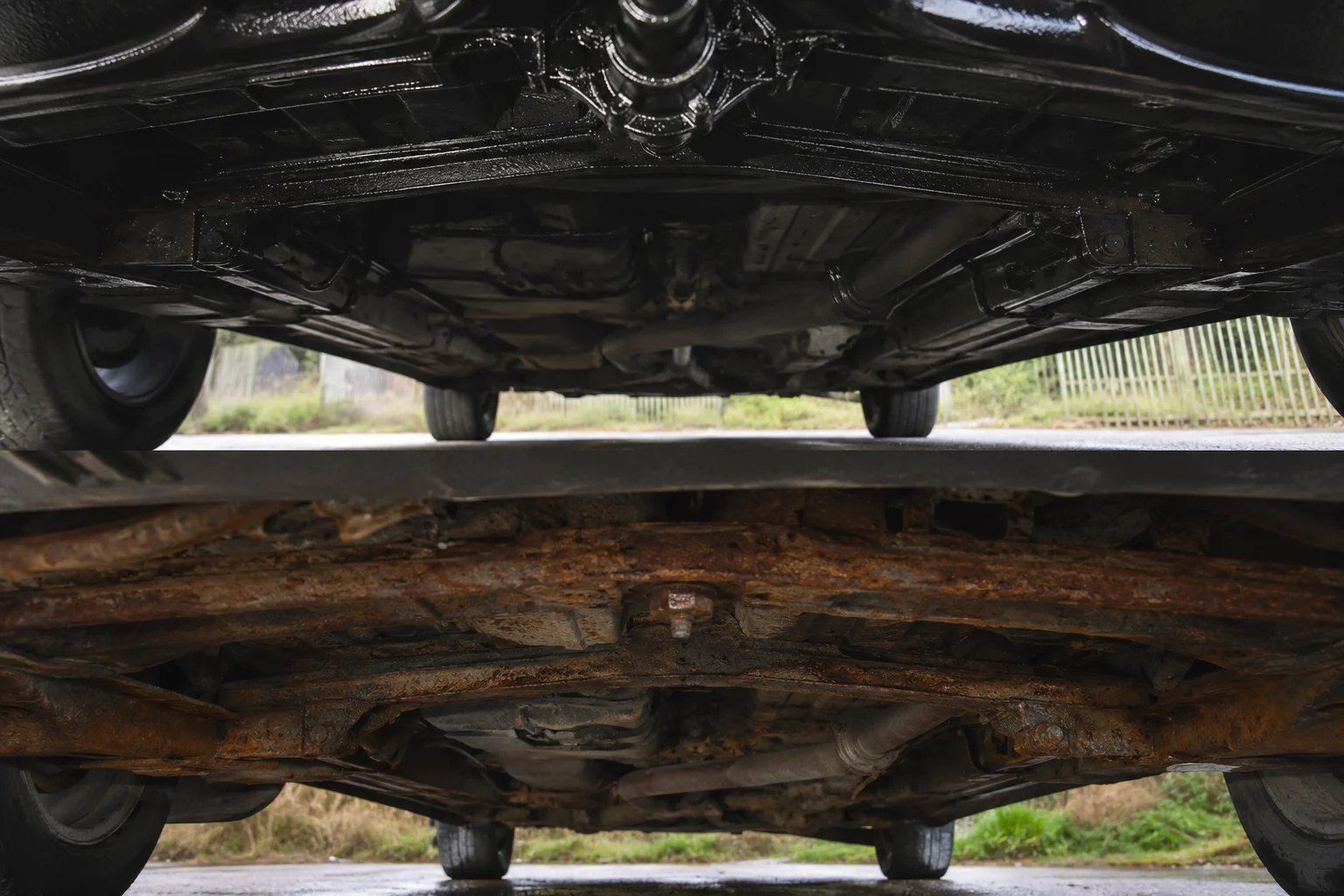
It’s being used more and more by owners of off-road vehicles like Defenders, Ford Rangers and older vans. That tells us it has a strong footing in the real world beyond just product claims. Success depends on doing it right, of course: good prep, even coverage and touching up after damage are all key to long-lasting results.
For more info on how the treatment works, have a look at our Lanoguard treatment page.
FAQs
Lanoguard frequently appears in our FAQs section, so here are some popular ones answered:
Q: Can I apply Lanoguard over rusty areas?
A: It’s not meant to stop existing rust. You’ll need to treat or remove rust first, then apply it to clean surfaces.
Q: How often should I reapply Lanoguard?
A: Typically once per year, but check the underside mid-season if your car gets a lot of abuse. You might need a quick top-up on high-wear spots.
Q: Is it safe to apply around brake lines and rubber hoses?
A: Yes. Its non-corrosive and non-petroleum formula makes it safe for use around plastic, rubber and electrical parts.
Q: Can professionals apply Lanoguard for me?
A: Yes. While it’s DIY-friendly, for complex vehicles or deep underside spots you can arrange a booking with experts to get it done properly.
Should Vehicle Rust Protection Like Lanoguard Be Part of Your Routine?
Based on performance, safety and real use across the UK, we think Lanoguard is absolutely worth considering as part of any vehicle rust protection routine. Whether you drive a coastal van, a farmland 4×4, or just want your family car to last longer, it delivers convenience, long-lasting repelling power, and won’t damage surrounding vehicle parts.
Where Guardian Shield stands behind Lanoguard is in its flexibility. It’s one of the rare underbody rust treatments that works with your maintenance routine, rather than trying to make you commit to messy, reapplying sessions every few months. It lets owners take control of protection without professional gear or chemicals that put plastic or rubber at risk.
Perfect for UK Drivers Who Face Wet Roads and Coastal Air
If you drive on salted winter roads, live near the sea, or love a muddy weekend adventure, a product like Lanoguard could give you peace of mind. It’s not perfect for every situation and won’t revive rusty metal, but as a preventive shield, it hits the mark.
At Guardian Shield, we believe in doing rust protection the smart way. A clean surface, the right timing, and regular checkups can keep rust from taking hold. With that handled, your vehicle stays strong on the road for years to come.
Looking to get started with your own application? See our Lanoguard treatment page for details, or get professional help through our booking form if needed. Whether you go full DIY or prefer an expert to handle it, the right vehicle rust protection today makes for fewer headaches tomorrow.