A campervan is more than a vehicle. It is a home on wheels, a holiday companion, and often a place where families make their best memories. But all that time on the road, plus damp weather and muddy campsites, means dirt and grime build up fast. A proper campervan deep clean keeps your van looking its best and helps stop long-term damage before it starts. In this piece, we will walk through what a good clean actually involves, why it matters so much for the parts you cannot see, and how Guardian Shield can help you get it done properly.
Why a campervan deep clean matters more than you think
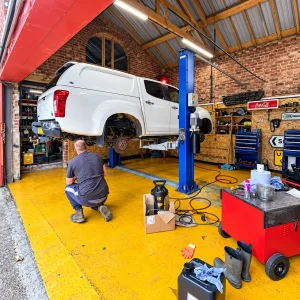
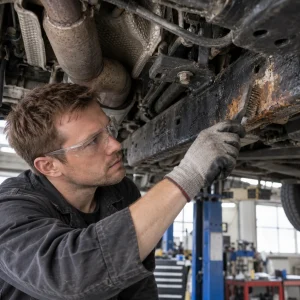
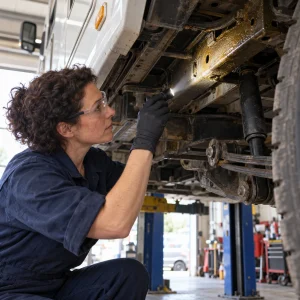
Most people think of cleaning a campervan as wiping down the seats and giving the windows a polish. That is only half the story. The real damage happens underneath, where road salt, mud, and moisture sit against metal for months without anyone noticing. Over time, this causes rust, weakens the chassis, and can lead to expensive repairs down the line.
A thorough clean is not just about appearances. It is about protecting the parts of your van that keep you safe on the road. Brake lines, fuel pipes, and the underbody structure all take a beating from grit and salt, especially if you drive through winter or park up near the coast. Left untreated, these small problems grow into big ones, and that is when you end up booking a visit for car repairs that could have been avoided with regular maintenance.
What gets missed in a normal wash
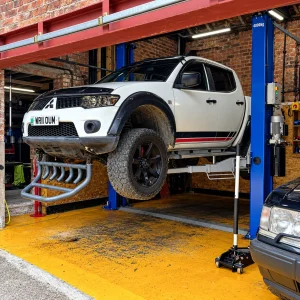
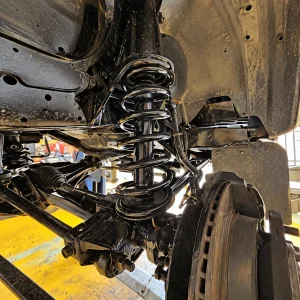
A quick jet wash or a run through a standard car wash rarely reaches the tricky spots. Wheel arches, the underside of the chassis, and tight corners around the engine bay often get skipped completely. Dirt and salt build up in these areas because they are hard to reach, and that is exactly where problems start.
Campervans also have extra nooks that ordinary cars do not, such as gas locker areas, step wells, and the space beneath awnings. These spots trap moisture and grime, and if they are never properly cleaned, they become breeding grounds for rust and mould.
How ice blasting gives your campervan a proper deep clean
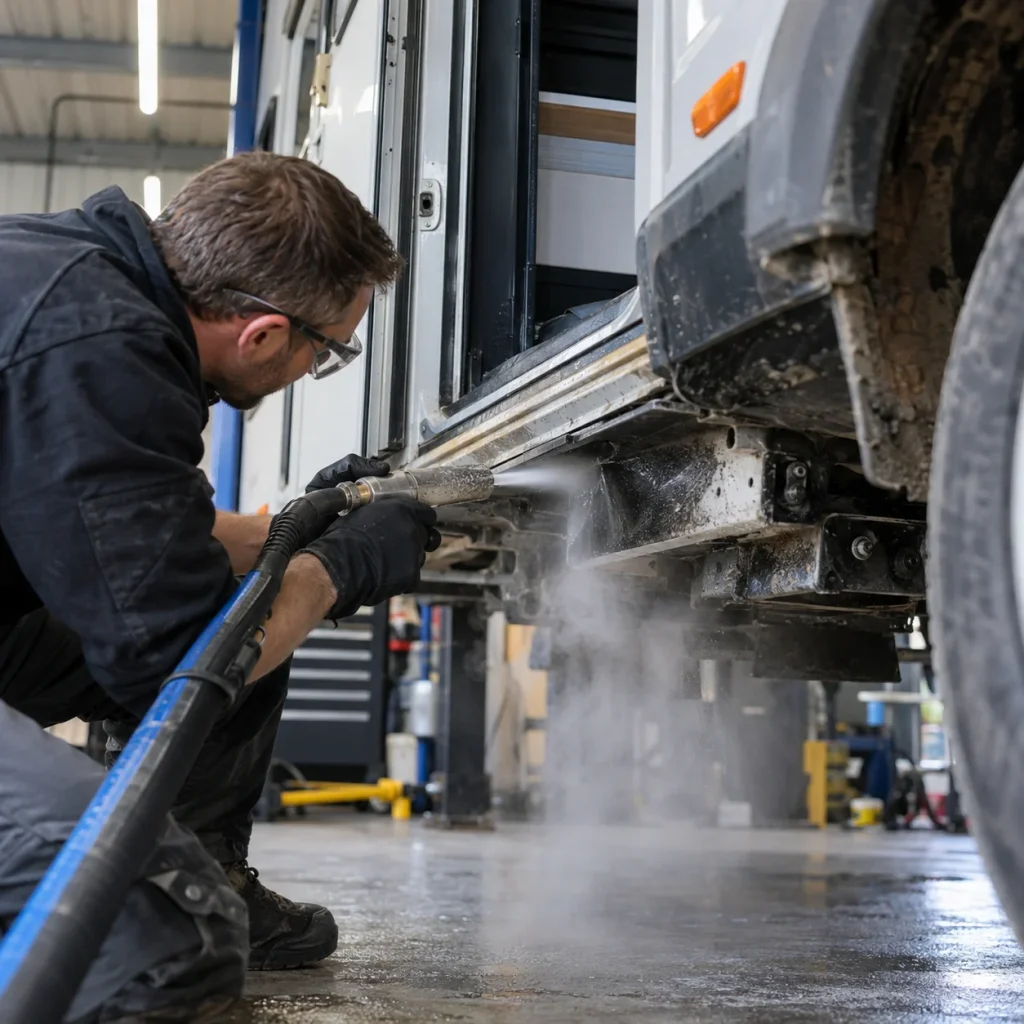
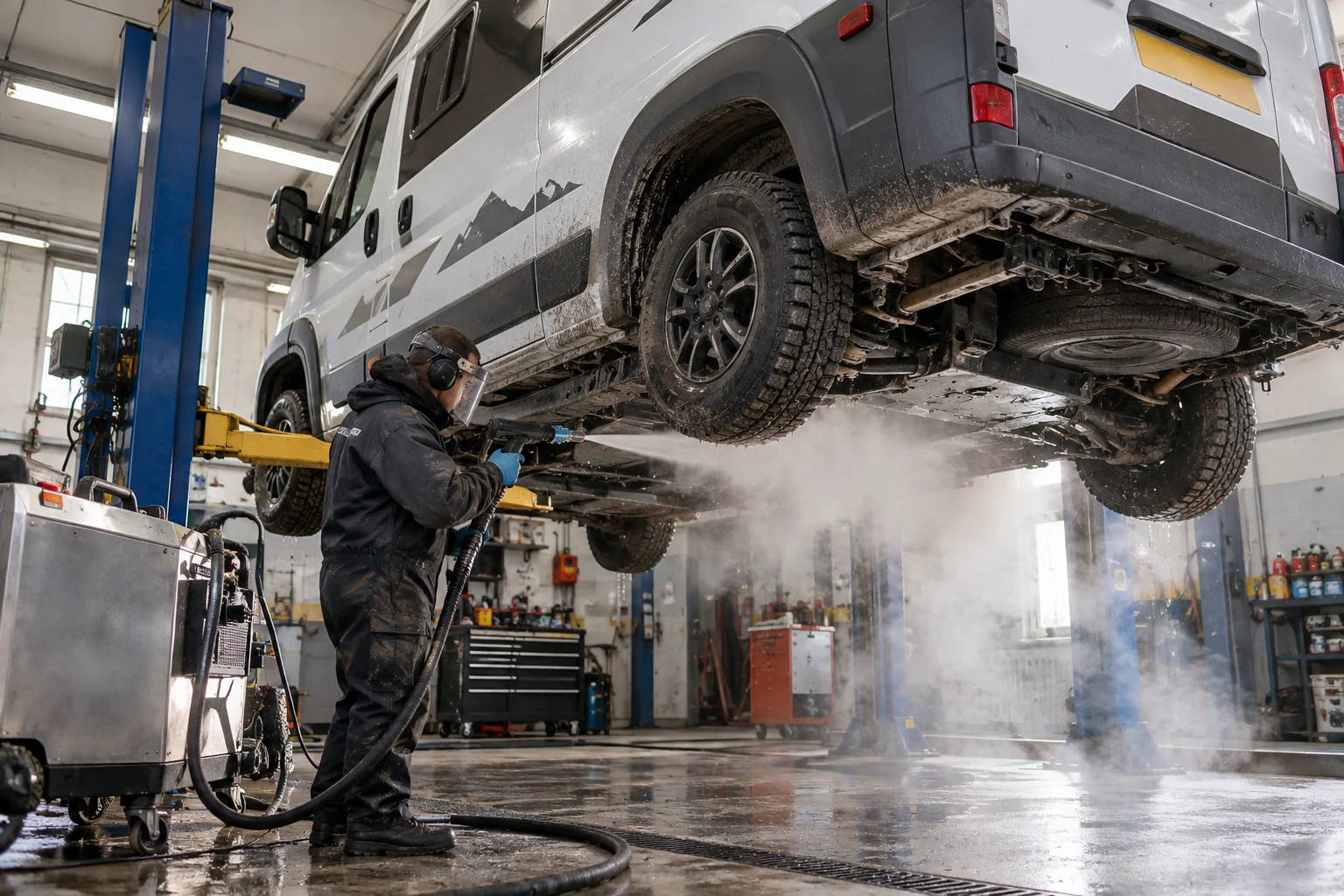
One of the most effective ways to reach every corner of your van is through dry ice treatment, sometimes called ice blasting. This method uses small pellets of dry ice fired at speed to lift away dirt, grease, and grime without scratching or damaging surfaces underneath. It works incredibly well on metal, plastic, and rubber parts, which makes it perfect for the mixed materials found on a typical campervan.
Unlike traditional pressure washing, this process does not leave behind extra moisture. The dry ice pellets turn straight into gas on contact, so there is no soggy residue left sitting in cracks and crevices. This matters a great deal for campervans, since trapped moisture is one of the biggest causes of rust and corrosion over time.
If you want to see exactly how this works and what it can do for your van, the team behind our ice blasting treatment can talk you through the process and explain which areas of your vehicle would benefit most.
Why this beats a standard wash for campervans
Campervans spend a lot of time parked up between trips, sometimes for weeks at a stretch. During that time, dirt sets in and becomes harder to shift. Standard washing struggles against this kind of built-up grime, especially in the undercarriage where years of driving leave layers of muck stuck fast.
Ice blasting reaches into every groove and gap without needing harsh chemicals or excessive scrubbing. It is gentle enough not to harm delicate seals and rubber trims, yet strong enough to shift years of built-up dirt. For anyone serious about a proper campervan deep clean, this method makes a real difference compared to a garden hose and a sponge.
Protecting your campervan after the deep clean
Cleaning is only the first step. Once your van is free from dirt and grime, protecting the surfaces underneath becomes the next priority. A fresh coat of protective treatment on the chassis and undercarriage helps stop new rust from forming and creates a barrier against road salt, water, and general wear.
Think of it a bit like applying sun cream after a shower. The clean skin is more receptive to protection, and the same idea applies to your van. Once the grime is gone, protective coatings bond properly to the metal, giving you a much longer-lasting shield against the elements.
This step matters even more if you use your campervan through autumn and winter, when roads are gritted and salted regularly. Without protection, that salt sits against bare metal and speeds up corrosion. With the right coating after a deep clean, you buy years of extra life for the chassis and undercarriage.
Seasonal timing makes a difference
The best time to book a deep clean and protective treatment is usually before winter sets in or straight after it ends. Cleaning before winter removes any summer dust and grime, giving a clear surface for protective coatings to bond to before the salty roads arrive. Cleaning after winter removes months of built-up salt and grit before it has a chance to sit and cause damage over spring and summer.
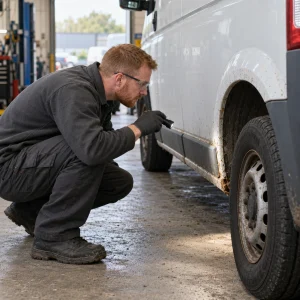
If you are not sure when your van last had proper attention underneath, it is worth checking. Many owners are surprised at how much has built up without them noticing, particularly if the van has been used for regular trips or left parked outside through wet weather.
FAQs
How often should I get a full campervan deep clean?
Most owners find that once or twice a year works well, ideally before and after winter. If you use your van often or drive through muddy or coastal areas regularly, you might want to book more frequent checks to catch any build-up early.
Is ice blasting safe for older campervans?
Yes, it is gentle on surfaces and does not involve harsh scrubbing or high-pressure water that could work its way into old seals. It is often a better choice for older vehicles since it avoids the moisture and force that traditional washing methods rely on.
Can a deep clean help avoid future repairs?
It certainly reduces the risk. Removing built-up dirt and salt early stops rust from taking hold, which means fewer structural problems later on. Many owners who keep up with regular cleaning find they need far less work done on brake lines, fuel pipes, and the underbody over the years.
What should I do if I notice rust starting to form?
Do not wait for it to spread. Get it looked at as soon as possible, since rust only gets worse with time. Reading through the blog is a great way to pick up tips on spotting early signs and understanding what treatment options are available.
Keeping on top of a campervan deep clean does more than make your van look sparkling for the next trip. It protects the metal underneath, stops rust before it starts, and saves you money on repairs down the line. Whether you are prepping for a summer of adventures or getting ready to store your van over winter, giving it proper attention now pays off later.
If you are ready to get your van sorted, our team at Guardian Shield would love to help. You can arrange a visit through our simple booking page, or if you have questions first, feel free to reach out through our contact us page, and we will talk you through exactly what your campervan needs.