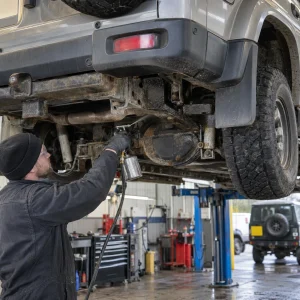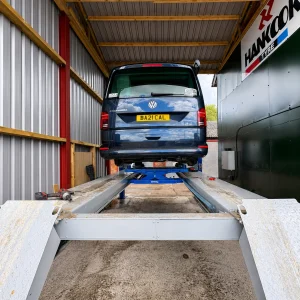
When it comes to keeping a vehicle in top condition, the underside often gets forgotten. Mud, salt, old grease and rust can build up for years, hiding away where nobody thinks to look. That is where dry ice blasting detailing comes in, offering a way to clean deep into every corner without causing damage. In this article, we will walk through how the process works, why it has become such a popular choice, and when it makes the most sense for your car, van or classic restoration project.
What is dry ice blasting detailing?
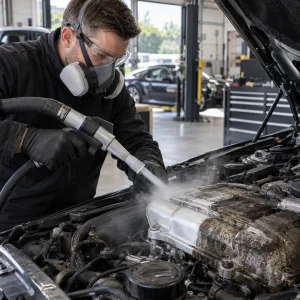
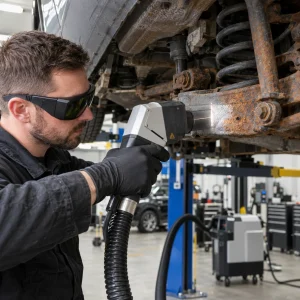
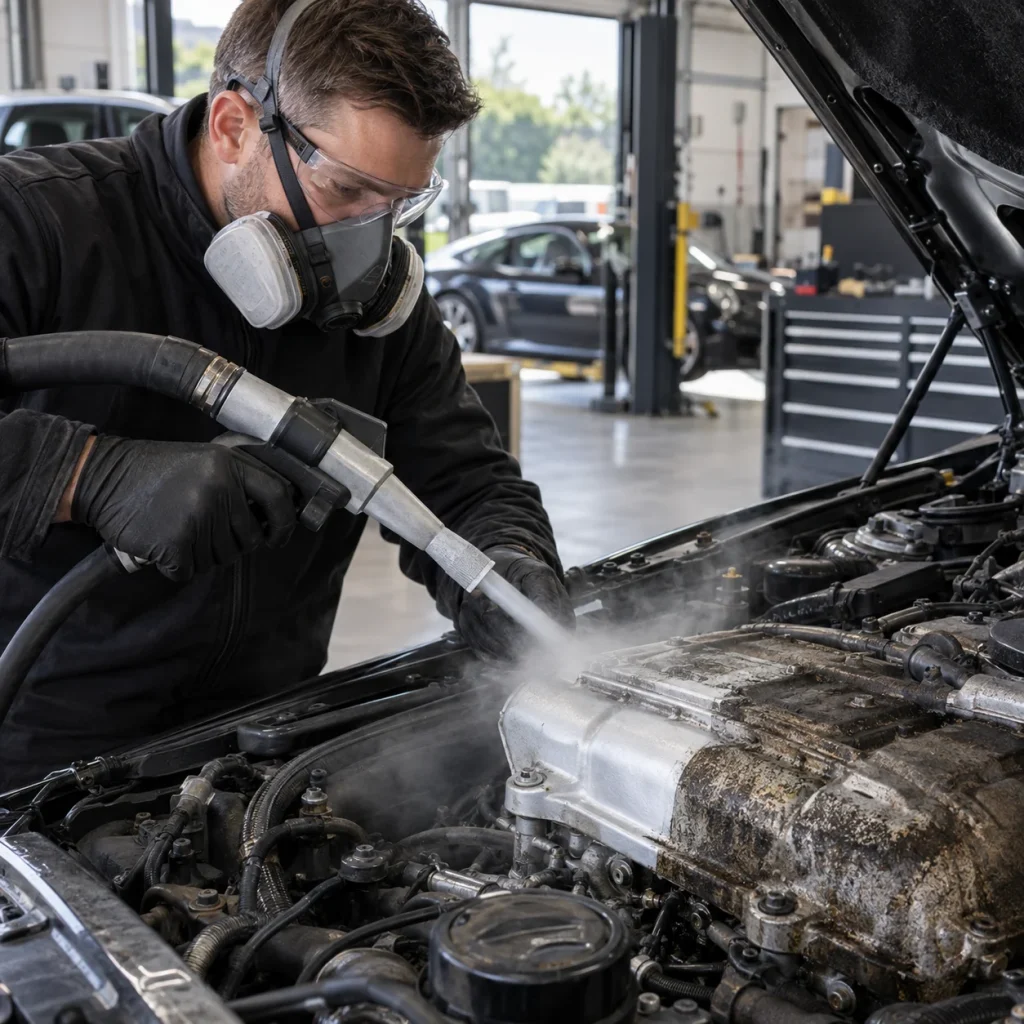
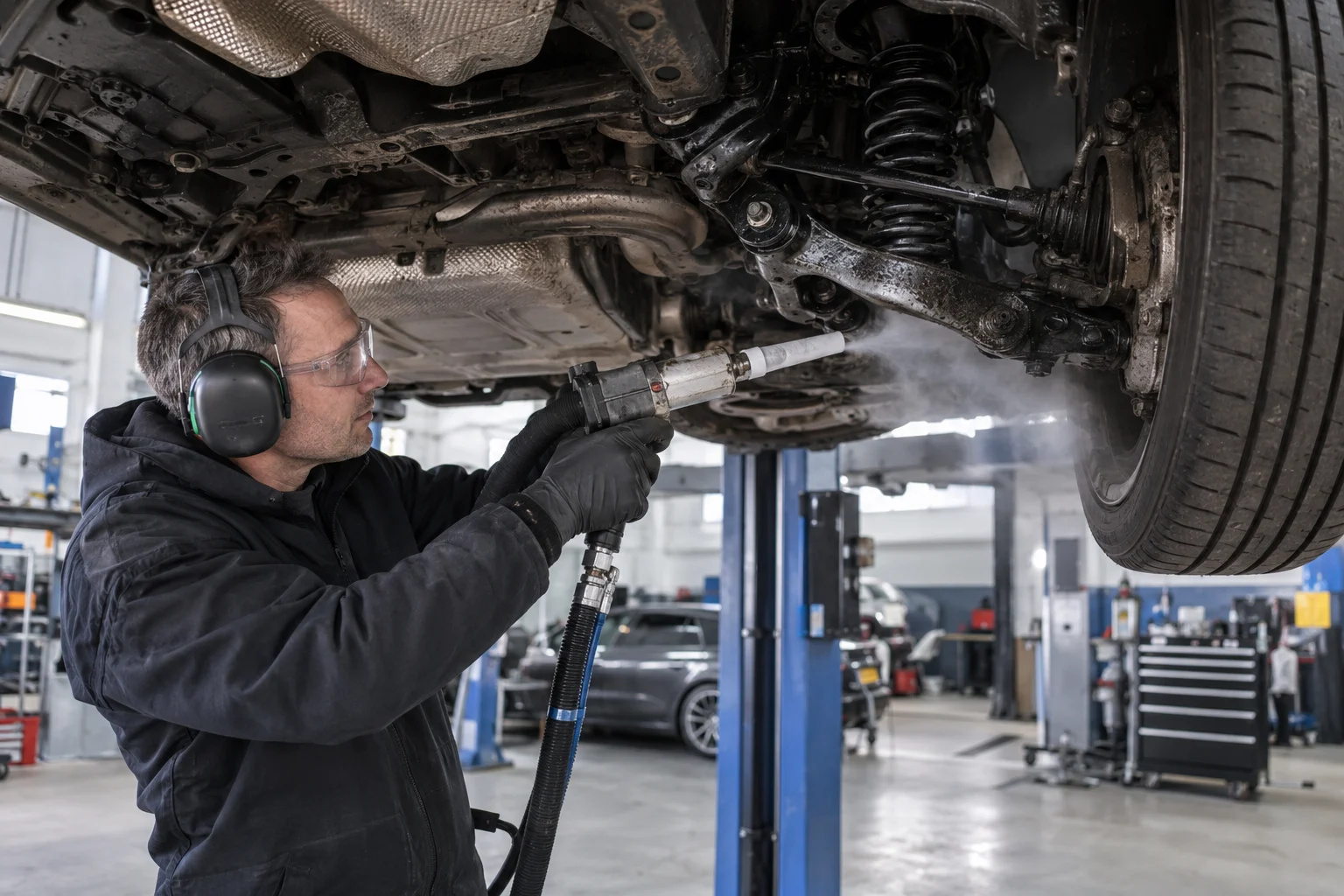
Dry ice blasting detailing uses small pellets of solid carbon dioxide, fired at speed onto a surface using compressed air. The pellets hit the dirt or grime, cool it rapidly, then turn straight into gas. This sudden change causes the built-up mess to crack and lift away from the metal underneath. Because the CO2 pellets sublimate, meaning they turn from solid straight into gas, there is no leftover liquid or residue to clean up afterwards.
This makes the method quite different from washing a car with water and soap. There is no soggy mess, no chemical runoff, and no need to dry anything out once the job is finished. For anyone working on a vehicle’s chassis or undercarriage, that is a big advantage, since trapped moisture is often the reason rust starts in the first place.
We often get asked to explain the science in simple terms during a booking conversation, and it usually comes down to this: cold, fast-moving pellets knock dirt off without ever needing water or harsh chemicals.
How dry ice blasting compares with older cleaning methods
For years, pressure washing and sandblasting were the go-to options for cleaning a car’s underside. Both get results, but both come with downsides that dry ice blasting avoids.
Pressure washing pushes water into every gap, seam and hidden cavity of a vehicle. That water has to go somewhere, and it often stays trapped in places you cannot see, quietly encouraging rust to form weeks or months later. Sandblasting, meanwhile, is abrasive. It can strip away paint, protective coatings and even a thin layer of metal if it is not handled carefully. On older or more fragile vehicles, that can cause more harm than good.
Chemical treatments bring their own problems too. Harsh solvents can eat through underseal, degrade rubber seals, and leave behind fumes that are unpleasant to work around. They also need to be disposed of properly, which adds cost and hassle.
Dry ice blasting for car detailing sidesteps all of these issues. There is no water to trap, no abrasive grit to wear down the metal, and no chemical residue left behind. The CO2 pellets are gentle enough for delicate parts but still strong enough to shift years of built-up grime, tar and old underseal.
Why dry ice blasting for car detailing suits chassis and undercarriage work
The underside of a vehicle takes a real beating. Road salt in winter, mud from country lanes, oil leaks and general wear all add up over time. Cleaning this area properly is not just about looks; it is about spotting problems early and stopping rust before it spreads.
Because the blasting process does not involve water, there is no risk of moisture getting trapped in box sections, seams or welds. This matters a great deal for anyone preparing a vehicle for rustproofing, since any dampness left behind will simply get sealed in and cause problems later. Dry ice blasting clears away the mess first, leaving a dry, clean surface that is ready for a protective coating straight away.
The method is also non-abrasive to metal, which means it will not thin out panels or damage factory coatings the way sandblasting can. For classic car owners, this is often the deciding factor. A car that has taken decades to reach its current condition deserves a cleaning method that respects the original metalwork rather than wearing it down further.
We cover the full process on our ice blasting treatment page, including what to expect during a session and how long it typically takes depending on the size and condition of the vehicle.
Situations where this method is the right choice
There are a few clear cases where dry ice blasting detailing tends to be the better option compared with other cleaning methods.
Classic car restoration is one of the most common. Owners want every trace of old grime and underseal removed so they can properly inspect the metal underneath, spot any rust, and apply fresh protection. Dry ice blasting reaches into folds and seams that a brush or pressure washer would struggle with, without risking the panels.
Preparing a vehicle for rustproofing is another strong reason to choose this method. Since there is no water involved, the surface stays dry throughout, meaning a protective coating can often be applied on the same day. This saves time and reduces the risk of trapping damp air against bare metal.
Engine bay cleaning also benefits from this approach. Engine components include sensitive electrical parts, sensors and wiring that do not react well to water or high-pressure jets. Dry ice blasting can lift oil, grease and dust from around these parts without soaking anything that should stay dry.
Removing old underseal is another job where this method shines. Underseal can be stubborn and thick, and traditional scraping or chemical stripping can take hours of hard work. Dry ice blasting speeds this up considerably while protecting the metal panel underneath from scratches or gouges.
Things to think about before booking
As with any specialist service, there are a few points worth knowing before you go ahead. Dry ice blasting does tend to cost more than a simple pressure wash, mainly because of the equipment and the CO2 pellets themselves. For light surface dirt, a standard wash might be all that is needed. The real value shows up when dealing with years of built-up grime, rust, or underseal that other methods cannot shift safely.
Availability can also vary depending on where you are based, since not every garage offers this service. It is worth checking with a specialist team who carry out this work regularly, rather than a general valeting service that may only offer it occasionally.
Not every surface is suited to blasting either. Very soft plastics or already damaged paintwork may need a gentler approach, so it helps to have a proper look over the vehicle first. We always recommend a quick chat through our contact us page if you are unsure whether your vehicle is a good fit for the process.
FAQs
Is dry ice blasting safe for all types of vehicles?
Most metal panels, chassis rails and engine components handle dry ice blasting well, since the process is non-abrasive and does not involve water. Very fragile plastics or already flaking paintwork may need a gentler method, which is why we always take a look at the vehicle beforehand.
How long does a dry ice blasting session take?
This depends on the size of the vehicle and how much built-up dirt or underseal needs removing. A small area such as an engine bay might take under an hour, while a full chassis clean ahead of rustproofing can take longer. We talk through timings during the initial booking so there are no surprises.
Will dry ice blasting damage existing paint or coatings?
No, one of the main reasons people choose this method is that it is gentle on factory paint and existing coatings. The pellets lift dirt and grime without grinding away at the surface underneath, which is a key difference compared with sandblasting.
Can I get my vehicle rustproofed straight after blasting?
Yes, and this is actually one of the biggest advantages. Since there is no water involved in the blasting process, the surface stays dry throughout, meaning a protective coating can be applied the same day without worrying about trapped moisture.
Getting started with Guardian Shield
Dry ice blasting detailing offers a clean, dry and gentle way to tackle years of built-up grime, rust and old underseal on a vehicle’s chassis and undercarriage. Whether you are restoring a classic, preparing for rustproofing, or simply want an engine bay that looks properly cared for, this method gives strong results without the risks that come with water or abrasive grit.
At Guardian Shield, we have seen how much difference a proper blast clean makes to the condition and long-term health of a vehicle’s underside. If you would like to learn more about the process, our About Us page shares a bit more on how we work, and our FAQs page answers many of the common questions we hear from customers.
You can also read more general tips and advice over on our blog. When you are ready to book your vehicle in, our team is on hand to talk through the details and get things arranged.