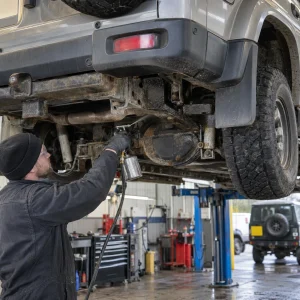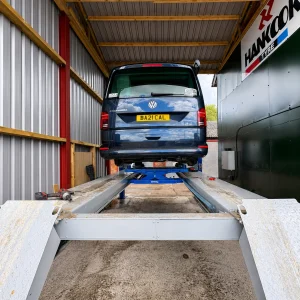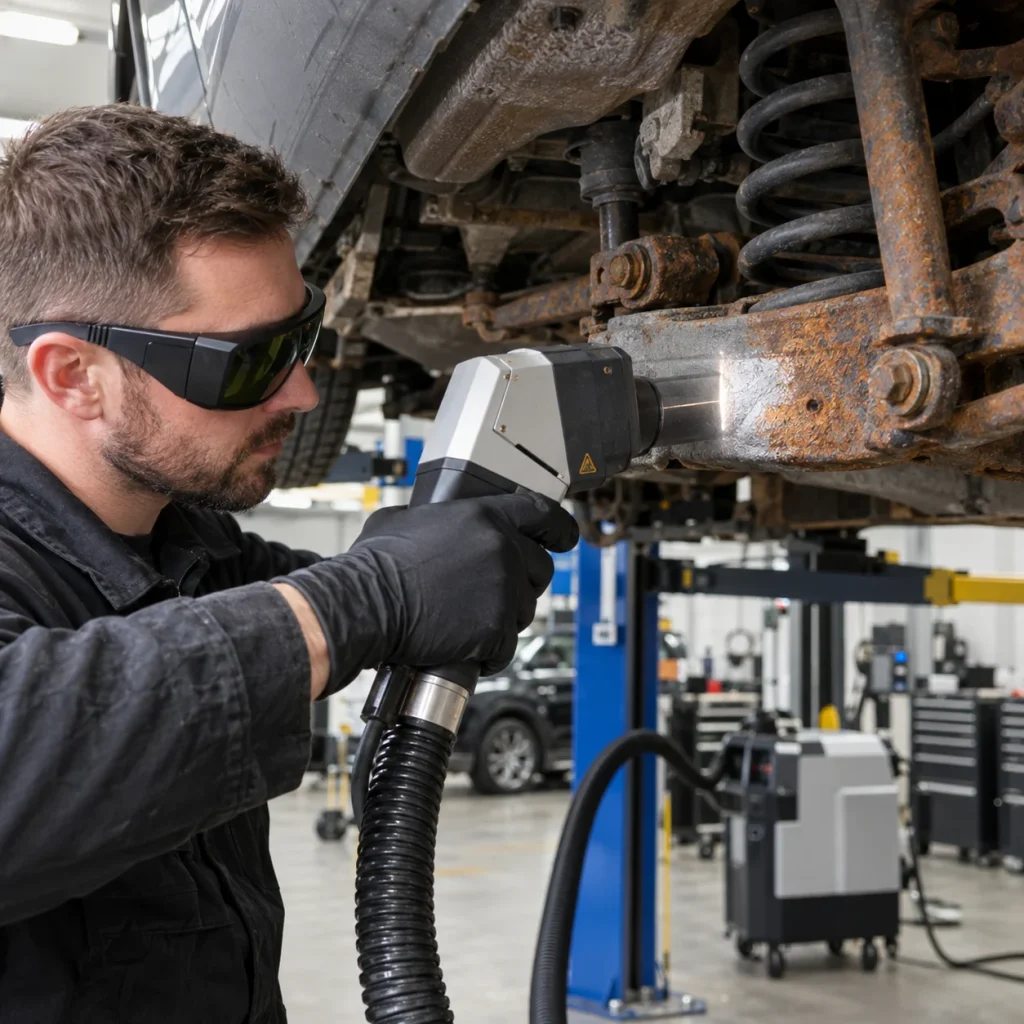
Rust is one of those problems that seems to creep up on car owners without warning. One week your chassis looks fine, and the next you spot orange flakes creeping along the underside of your vehicle. If you own a classic car, a daily driver, or anything that spends time on wet British roads, this article will walk you through everything you need to know about a laser rust removal service UK drivers are increasingly turning to, and why it might be the smartest choice for protecting your vehicle for years to come.
What a laser rust removal service UK drivers trust actually involves
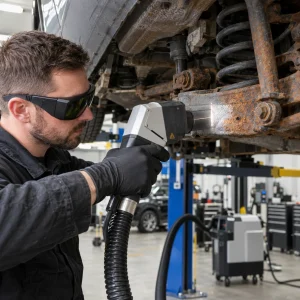
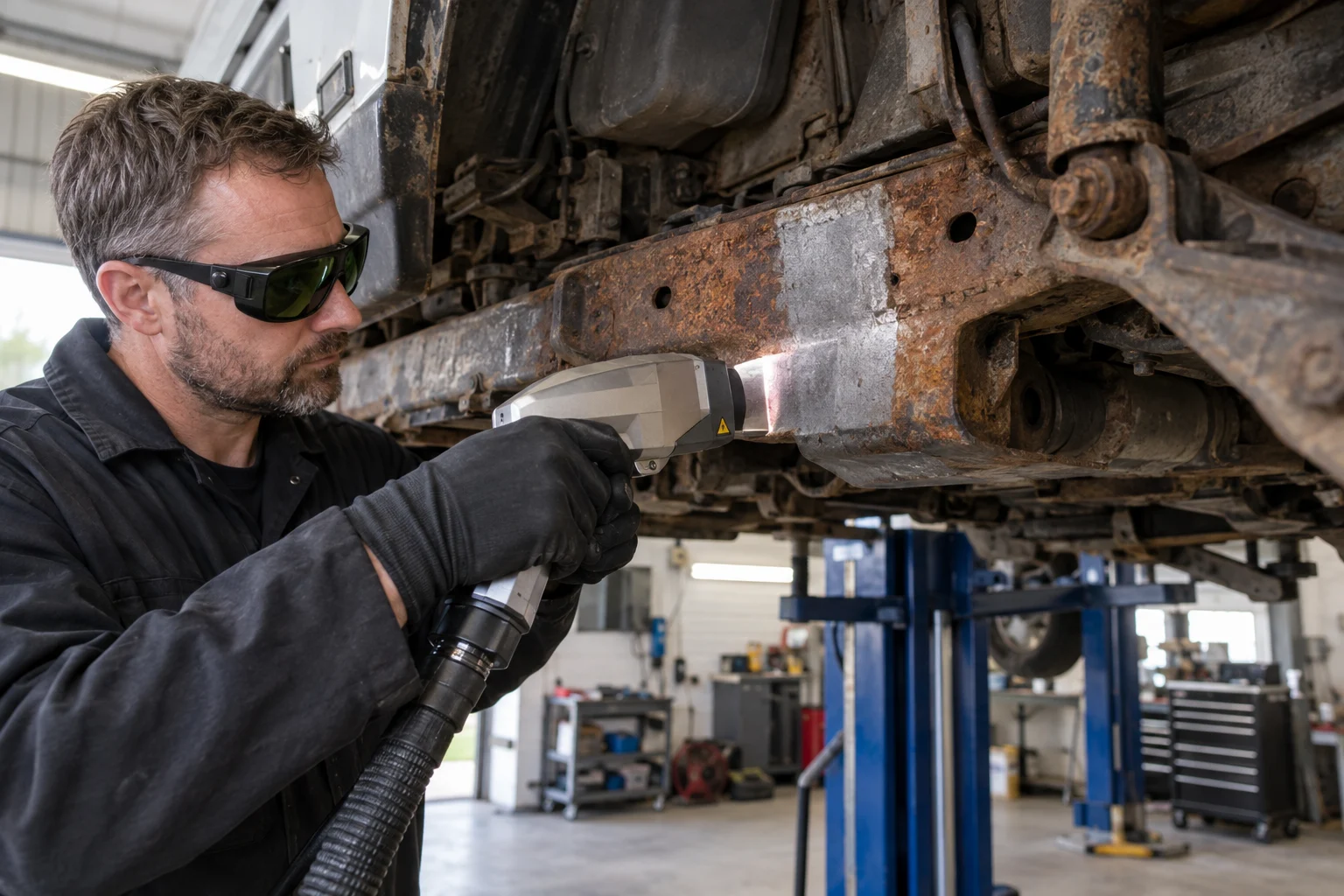
Laser rust removal uses a focused beam of light to strip away rust and old paint without touching the healthy metal underneath. Think of it a bit like using a very precise eraser. The laser only reacts with the rust and grime, leaving the solid steel or aluminium completely untouched. This means no scratches, no dents, and no weakening of the metal, which is something you often get with old-fashioned methods like sandblasting or wire brushing.
For anyone searching for a reliable laser rust removal service UK-wide, the appeal usually comes down to three things: precision, speed, and safety for the vehicle itself. There is no dust cloud, no harsh chemicals dripping onto your driveway, and no risk of warping thin body panels. It is a gentler process that still gets deep into every seam, weld, and awkward corner where rust likes to hide.
How it compares to other rust removal methods
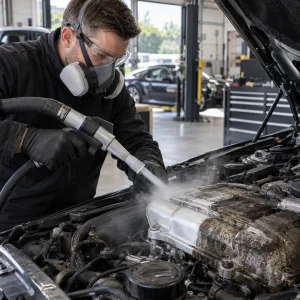
Sandblasting has been the go-to method for decades, but it can be rough on delicate bodywork and often needs masking to protect glass, rubber seals, and trim. Chemical stripping works well in some cases, but it can leave behind residue that needs careful neutralising, and it is not always kind to the environment. Laser treatment avoids both of these headaches. It is also worth mentioning ice blasting treatment as another option some owners consider, particularly for engine bays or areas with built-up grease alongside surface corrosion. Each method has its place, but for pure rust removal without any abrasive contact, laser technology tends to come out on top.
Why laser rust removal service UK garages recommend it for classic cars
Classic car owners tend to be the most protective people you will ever meet when it comes to their vehicles, and rightly so. Original panels, factory welds, and vintage paint codes are often irreplaceable, so any restoration work needs to be as gentle as possible. This is exactly why so many classic car specialists across the country now offer a laser rust removal service UK enthusiasts have started requesting by name.
Because the laser only targets oxidised metal, it preserves the original steel thickness. This matters hugely for structural integrity, especially on older vehicles where the metal might already be thinner than modern equivalents. It also means panels that were once considered too far gone can sometimes be saved rather than replaced, which keeps more of the car’s original character intact.
Everyday vehicles benefit too
You do not need a vintage motor for this to be worth considering. Daily drivers, vans, and family cars all pick up rust over time, particularly around wheel arches, sills, and the underside of the chassis. Regular road salt in winter speeds this process up considerably. Many owners now book in general car repairs alongside rust treatment, since it makes sense to sort out any related bodywork issues while the vehicle is already being worked on.
At Guardian Shield, we often see customers who assumed their car was beyond saving, only to find that rust removal combined with proper protective coating gives the vehicle a genuinely longer life on the road. It is rarely as drastic a job as people expect, and the results tend to speak for themselves.
What to expect from cost and turnaround times
One of the most common questions we hear is how long the process takes and what it costs. This varies depending on how much rust needs removing and how accessible the affected areas are. A small patch on a wheel arch might take under an hour, while a full chassis treatment on a heavily corroded vehicle could take a full day or more.
Costs will depend on the size of the job, the type of vehicle, and whether any additional repair work is needed once the rust has been stripped away. It is always worth getting a proper assessment rather than guessing based on how bad things look on the surface, since rust often extends further than what is visible. Getting a clear quote upfront also helps avoid any surprises later in the process.
Booking your vehicle in for treatment
If you think your vehicle could use this kind of attention, the process of arranging it is usually straightforward. Most specialists will ask for some photos of the affected areas first, followed by an in-person inspection to confirm the extent of the corrosion. You can arrange your booking online in many cases, which saves you having to phone around during working hours. Once your vehicle is booked in, the team will usually talk you through the plan before any work begins, so you know exactly what is happening at each stage.
FAQs
Is laser rust removal safe for all types of metal?
Yes, it works well on steel and aluminium panels, which covers the vast majority of vehicles on UK roads. The laser is calibrated to react with rust and contamination rather than the base metal, so it is considered one of the safer options available.
Will laser treatment stop rust coming back?
Removing rust is only part of the picture. Once the affected area is treated, applying a proper protective coating helps stop moisture and salt from causing the same problem again. Many owners pair rust removal with ongoing protective treatments for the best long-term results.
How do I know if my car needs this treatment?
Look out for bubbling paint, flaking metal, or a rough orange texture anywhere on the bodywork, particularly around wheel arches, sills, and the underside of the vehicle. If you spot any of these signs, it is worth getting a proper inspection sooner rather than later, since rust tends to spread quickly once it takes hold.
Can I get advice before booking a treatment?
Absolutely. Most specialists are happy to answer questions about your specific vehicle before you commit to anything. You can also read more general guidance on the blog, where various topics around vehicle maintenance and rust prevention are covered in more depth.
Getting your vehicle protected for the long run
Rust does not fix itself, and the longer it is left, the more damage it tends to cause. Whether you are restoring a much-loved classic or simply trying to keep a family car roadworthy for another few winters, dealing with corrosion properly now saves a lot of hassle later. A professional laser rust removal service UK-wide gives you a gentle, accurate way to tackle the problem without risking further damage to your bodywork.
If you have noticed rust forming on your vehicle, or you simply want a professional opinion on its condition, our team at Guardian Shield would be glad to help. Get in touch through our contact us page today, and let us help you plan the next step towards keeping your vehicle in the best possible shape for years to come.