Keep Your Vehicle Protected from Rust All Year Round
Vehicle rust protection has become more important than ever, especially with the increase in road salt during winter months and constant damp conditions here in the UK. Whether we’re driving through coastal areas, facing off-road adventures or simply commuting daily, keeping rust at bay is key to maintaining a strong chassis and bodywork. If left untreated, corrosion doesn’t just ruin a car’s looks; it eats away at its structure, damages parts, and bites into its resale value.
At Guardian Shield, we use a powerful product that changes the way rust treatment is tackled. Our Lanoguard-based service offers an option many have turned to for ease of use, excellent performance and day-to-day peace of mind. When applied to a clean underbody, this protective treatment forms a lasting barrier against moisture, salt, and dirt, defending every vulnerable corner of your vehicle.
How Our Underbody Sealant Works to Stop Moisture and Salt
Lanoguard acts as an effective underbody sealant by clinging tightly to the metal and rubber surfaces under your vehicle. Once applied, it repels water and prevents road salt and dirt from sticking. That means any moisture that would typically begin to oxidise untreated surfaces is blocked entirely.
This is a huge deal for those of us noticing the first signs of flaking paint, bubbling rust, or discoloured suspension components. Lanoguard’s non-drip nature ensures it doesn’t run off after application, even in rain or when the car is pressure-washed.
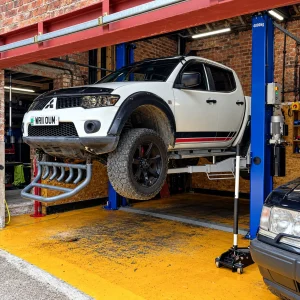
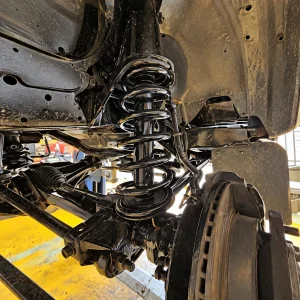
Vehicles used in agriculture, towing, or any heavy-duty situation benefit even more. This kind of daily wear often accelerates corrosion, but a consistent underbody coating acts as armour, especially on key components like wheel arches, leaf springs, chassis rails and the backs of sills.
Safe for Older Vehicles and Modern ECU Systems Alike
Lots of traditional treatments use thick oil or wax with strong solvents that might react poorly with electronics or perishable rubber seals over time. This is where Lanoguard stands out. It doesn’t affect wiring, plastic or paint, and it doesn’t break down grommets or bushes.
Because it’s inert and non-conductive, we’ve been able to apply it under modern cars without any fear of triggering sensor warnings or causing harm to wiring looms. This means everything from classic vehicles to new hybrids can benefit from protection without compromise.
Its safety reputation continues during application, too. Being made with natural base ingredients, it’s easy for us to apply this product directly by hand or spray without needing full hazmat suits or ventilation gear. That makes it great for DIY car enthusiasts as well as those who book professional underbody treatment at our Lanoguard treatment centre.
How Rust Protection Works Step-By-Step
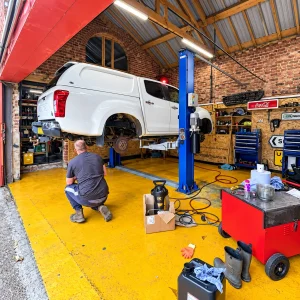
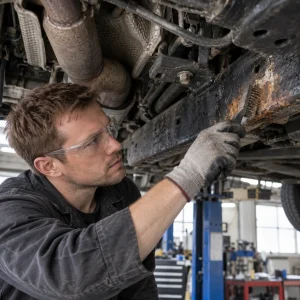
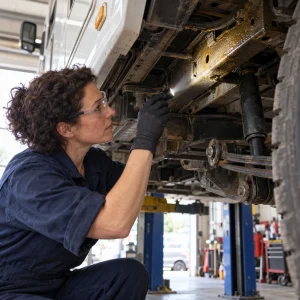
Every Guardian Shield rust protection session begins with a good, deep clean. Dirt, oil, and any existing rusty flakes are removed, typically with a combination of pressure washing and degreasing. This step matters most for getting strong adhesion so the product can bond properly.
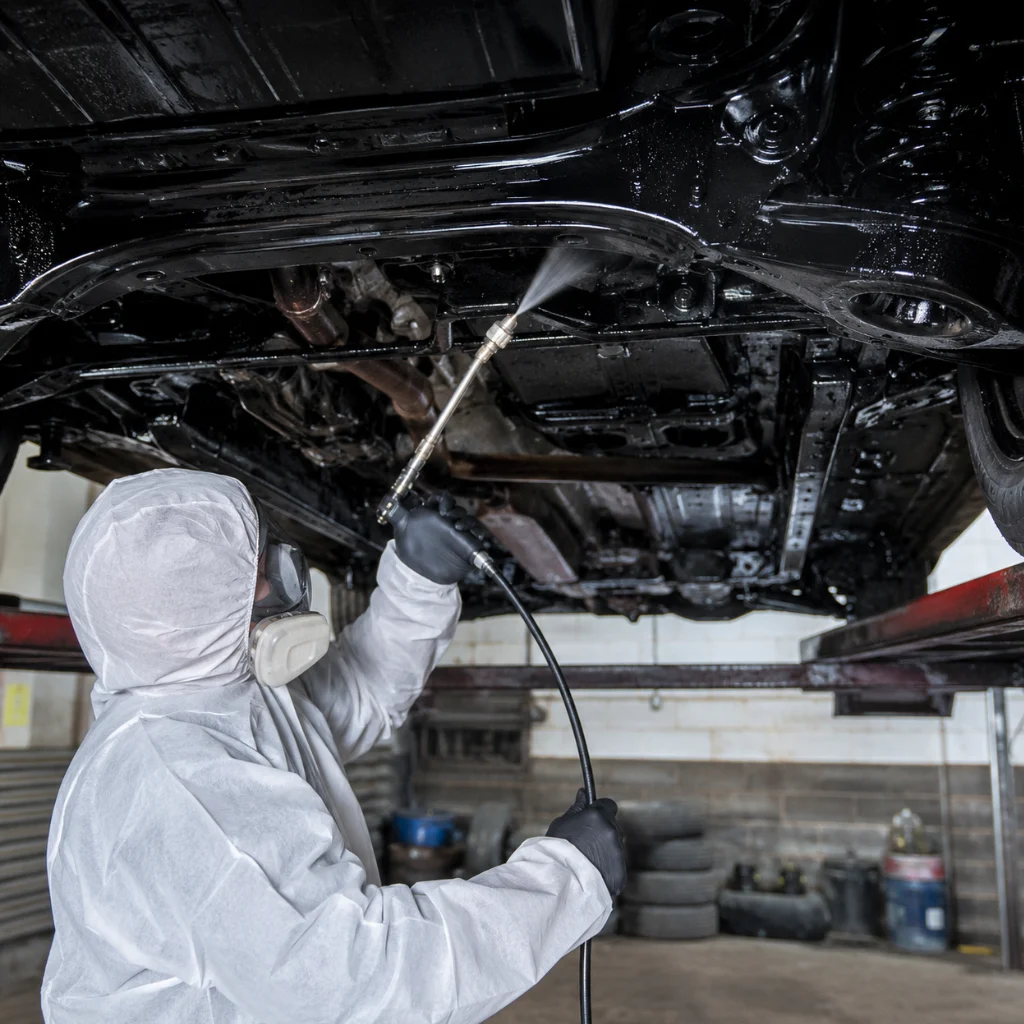
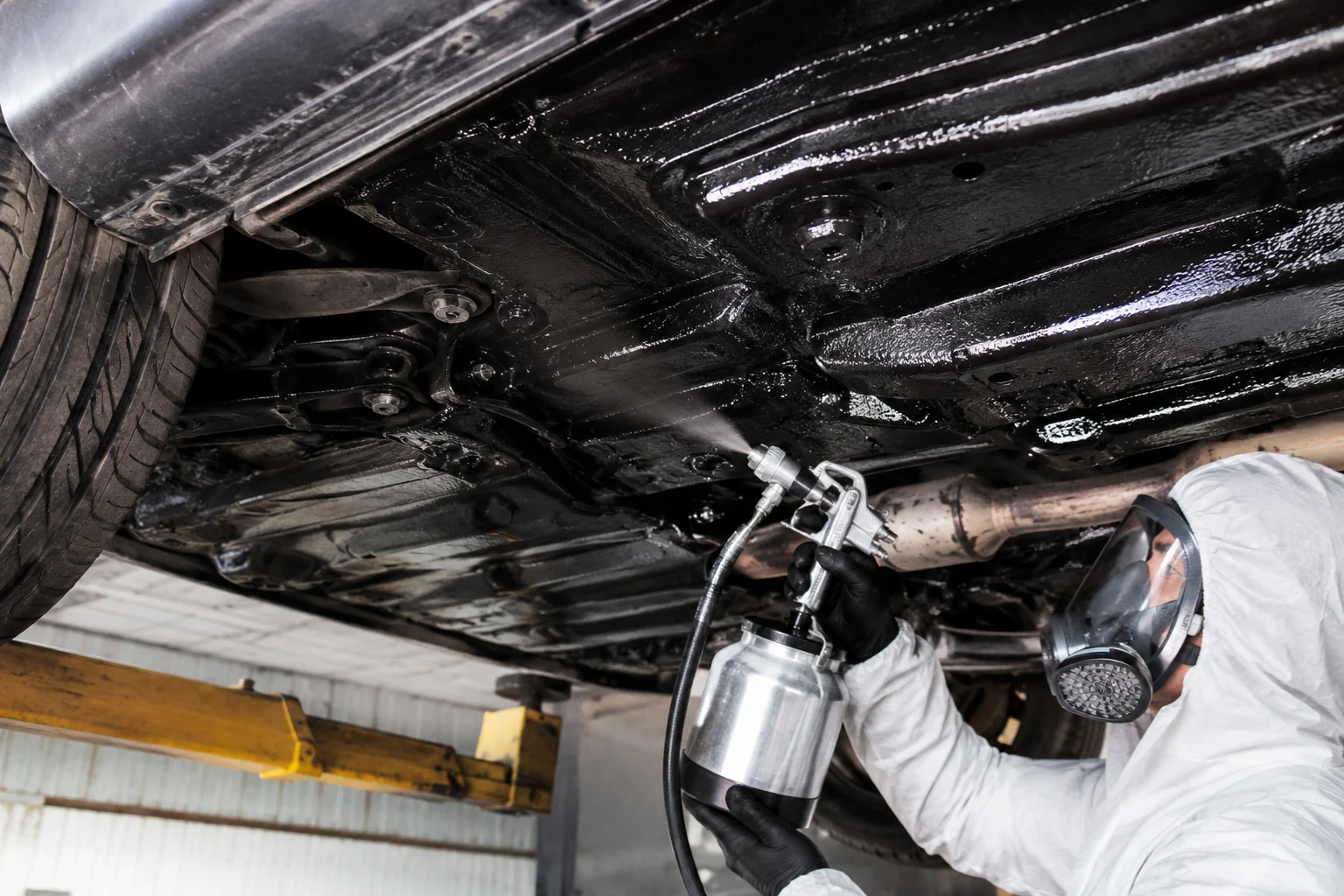
The surface is dried, and then the Lanoguard coating is sprayed or brushed onto every vulnerable section. We make sure it reaches up into creases, weld seams, suspension bolts and the nooks behind exhaust shields and mounts.
Its transparent finish makes it easy to see where it’s gone, and the gentle sheen it leaves works as a marker to check for any gaps later. In most cases, it’s rain-ready within a day, and the full setting can stand up to harsh conditions without issue.
You can learn more about this service and make a secure appointment through our booking page.
Real Results in Grit, Rain and Salt Conditions
Rust protection isn’t just about hope. Plenty of drivers trust Lanoguard for vehicles exposed to real-world grime each week. From 4x4s on Scottish country lanes, to campervans near coastal sites and even fleet vans racking up motorway miles, the results are the same.
We’ve used Guardian Shield on older vehicles, too. While it doesn’t undo corrosion already present, it can lock it in place and help prevent it from spreading any further. Where needed, we recommend a proper rust conversion treatment first, then we seal it to stop the weather from undoing your hard work.
We’ve seen surfaces stay protected over tough winters, and users report far fewer signs of decay even after a full year. Just remember to check underneath once in a while for any scrapes or gaps needing an easy recoat.
Using an Underbody Sealant is Cleaner and Easier than Old-School Methods
Go back 15 or 20 years, and most vehicle rust protection came from sticky wax oil or thick grease. While some were strong, they could be messy to apply, collect grime over time and drip during hot weather.
That’s not something we run into with this kind of underbody sealant. It sticks well, so you can spot if it’s wearing away. And it doesn’t flake like brittle wax coatings do when they dry out.
From a maintenance angle, it’s easier too. If you’re in the habit of getting regular inspections or light car repairs, you’ll find this product doesn’t build up a layer so thick that your mechanic can’t see through it. It stays as a water-shedding layer, not a thick crust.
Keeping Up with Rust Protection
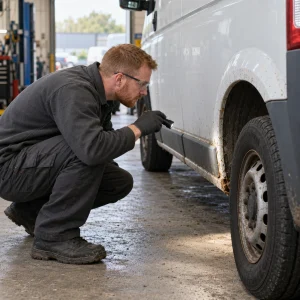
We recommend a top-up after 12 months, although some drivers might only need lighter touch-ups depending on their usage. If you drive off-road or do a lot of wet winter runs, then it’s smart to check each spring and autumn.
The sheen makes it easy to spot where the product’s holding up or where more might be needed. Recoating is simple and doesn’t require a full strip-back. Just wipe the area if it’s dirty, dry it off, then apply it over the affected spot.
Before doing any rework, we always encourage checking our frequently asked questions if you’re unsure of how or when to reapply.
Who Benefits Most from Vehicle Rust Protection?
If you own a 4×4, go camping, regularly spend time by the coast, or simply rely on your car or truck lasting through British winters, then rust prevention matters more than most people think.
Our Guardian Shield service is popular with people who want to stop rust before it starts, or who have older vehicles and want to extend their life while avoiding costly welding or resprays.
Electric and hybrid vehicles, with a sensitive underbody kit, also benefit. We’ve treated vehicles used by hobbyists, businesses, builders and day-to-day commuters. For more details on how Guardian Shield might fit your car’s needs, reach out via our contact page.
Protect Your Vehicle from Rust Before It Takes Hold
Keeping rust from eating away at your vehicle might not be glamorous, but it’s one of the smartest decisions you can make for keeping it strong and safe for years. Using Guardian Shield’s proven Lanoguard system, we seal away the biggest threats: salt, water and grime.
From first-time owners to long-term enthusiasts, our customers find it helpful, cleaner than old-fashioned grease and suitable for every season. It’s time to give your vehicle the rust protection it deserves.
Think your vehicle could benefit from a lasting underbody sealant? Head to our booking page and choose a time that works for you.