Middlewich built its history on salt, with brine extraction shaping the town for centuries and leaving its mark on street names, local landmarks, and the wider Cheshire salt industry that once made this part of the county famous. There’s a certain irony in that, since salt is exactly what does the damage to a vehicle’s underbody. Road salt spread through winter works the same way industrial brine once did locally, finding its way into every seam and joint until corrosion takes hold. Fittingly, the rust protection Middlewich vehicle owners can turn to comes from a specialist who understands exactly what that combination of salt and moisture does to a chassis over time.
That history isn’t just a curiosity either. Cheshire’s salt deposits are part of the reason winter roads across the county get gritted so thoroughly, and Middlewich sits right in the middle of that legacy, both historically and in terms of the roads its residents drive every day. Understanding that background helps explain why a proper rust protection routine matters more here than some drivers might assume, since the same substance that built the town’s economy is now working against every vehicle parked on its streets.
Getting Here From Middlewich
Middlewich sits centrally in Mid Cheshire, with good road links making the drive to our Nantwich workshop a straightforward one, whether you’re travelling via the A54 or one of the smaller routes connecting the town to the surrounding villages. It’s not a long journey for what’s typically an annual visit, and it means local vehicle owners don’t have to choose between convenience and getting the job done by an actual specialist. Plenty of customers tell us they’d rather make the short trip than settle for a nearer garage that treats rust protection as a minor add-on rather than a dedicated service.
Why Middlewich Vehicles Are Particularly Exposed
Beyond the general exposure every Cheshire vehicle faces from wet weather and winter road salt, Middlewich’s position at the junction of several canals brings its own quirks. Vehicles used regularly near the waterways, whether for maintenance work, towing, or simply parking near the water, often pick up additional moisture exposure that ordinary town driving doesn’t. Combined with the rural routes and farmland surrounding the town, it’s a combination that speeds up corrosion in ways that aren’t always obvious from a glance underneath a vehicle, which is exactly why a proper inspection matters more here than in towns without that particular mix of conditions.
Underbody rust protection Middlewich owners invest in tends to matter more here than in some neighbouring towns simply because of this combination of factors. A chassis that’s regularly exposed to both road salt and additional moisture from nearby waterways needs more consistent attention than one that only faces standard winter conditions.
This is particularly true for vehicles that spend long periods parked in one spot, whether that’s a canal-side property, a farm, or simply a driveway that doesn’t get much direct sun through winter. Moisture that sits against the underbody for extended periods, combined with residual salt from the roads, creates ideal conditions for corrosion to develop quietly, often in places that aren’t checked during a routine service or a quick visual inspection at the petrol station.
Our Rust Protection Middlewich Process
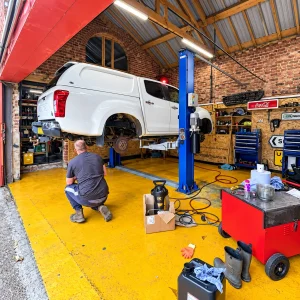
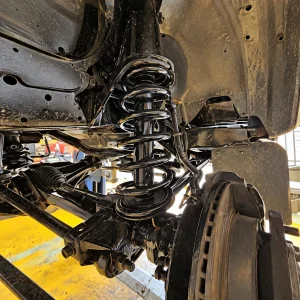
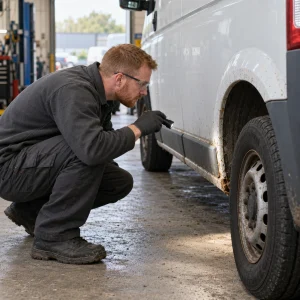
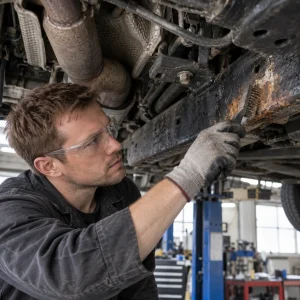
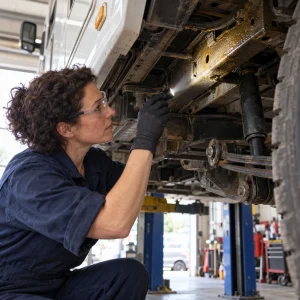
Every vehicle that comes through our workshop starts with a full inspection, covering the underbody, suspension components, wheel arches, and chassis rails for existing corrosion or areas that need particular care. From there, we steam clean and dry ice blast the underside, stripping away built-up grime, old flaking underseal, and surface rust that would otherwise sit trapped beneath any new coating and continue causing damage out of sight.
Once the vehicle is properly clean and dry, we apply Lanoguard, a lanolin-based treatment that stays flexible rather than hardening and cracking over time the way older bitumen underseals do. It’s worked into every seam, joint, and cavity where moisture typically collects, covering suspension mounting points, chassis outriggers, and wheel arches. Because it’s nearly transparent rather than an opaque black coating, future inspections stay straightforward, letting you or your garage actually see the condition of the metal underneath.
The same team handles every stage, from the initial inspection through to the final application, which matters because decisions made early on, such as how much surface corrosion needs treating before Lanoguard goes on, directly affect how well the finished treatment holds up. Having continuity throughout the process means nothing gets missed between stages, and you’re getting the judgement of the same specialist eyes from start to finish.
Ready to book in? Get a free quote today, and we’ll confirm timing based on your specific vehicle and its current condition, no matter what you’re driving.
Vehicles We Treat for Middlewich Customers
Given the mix of vehicles that make up the town, from farm-adjacent 4x4s to trade vans and the occasional classic brought out for local shows, our Middlewich customers cover a genuinely wide range:
- Cars and family vehicles ahead of winter
- Vans and light commercial vehicles used for local trade
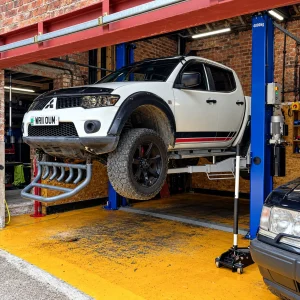
- 4x4s exposed to rural routes and farmland around the town
- Classic cars kept in long-term storage or used seasonally
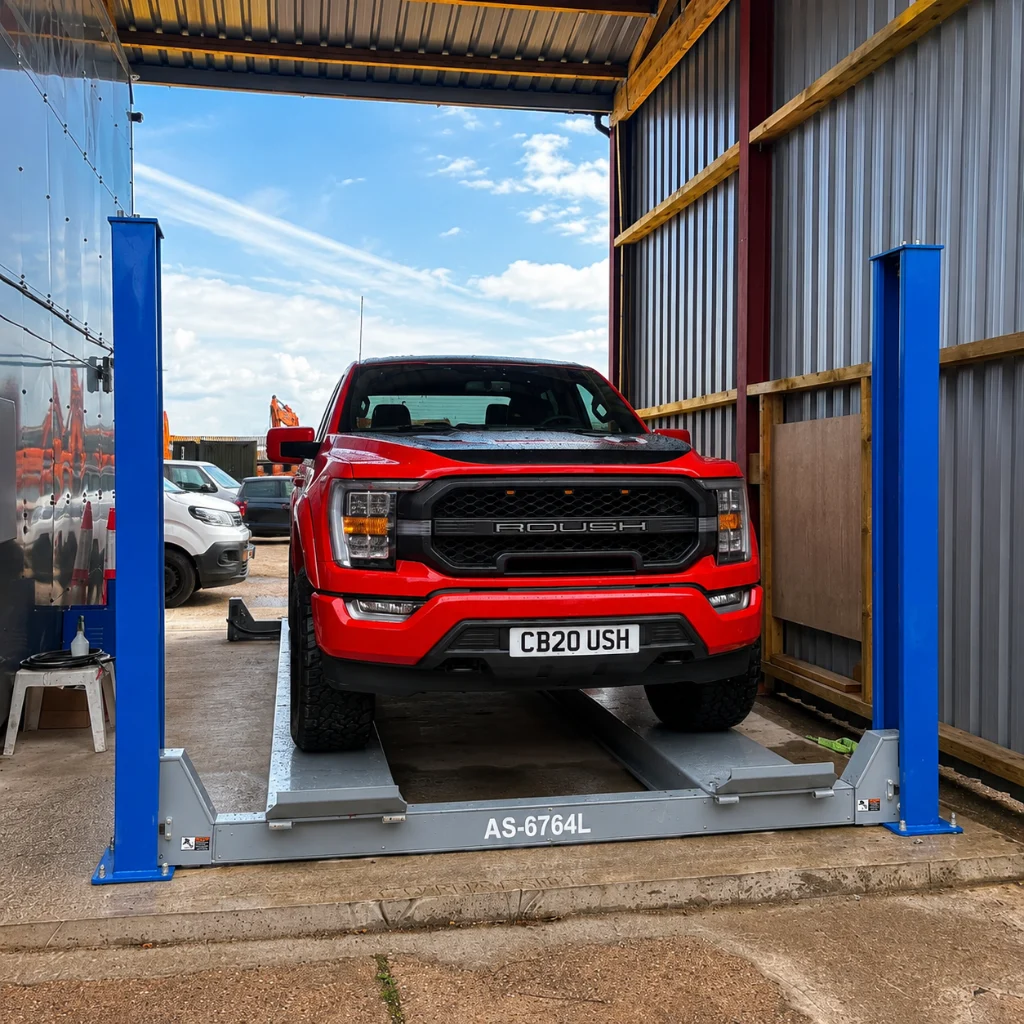
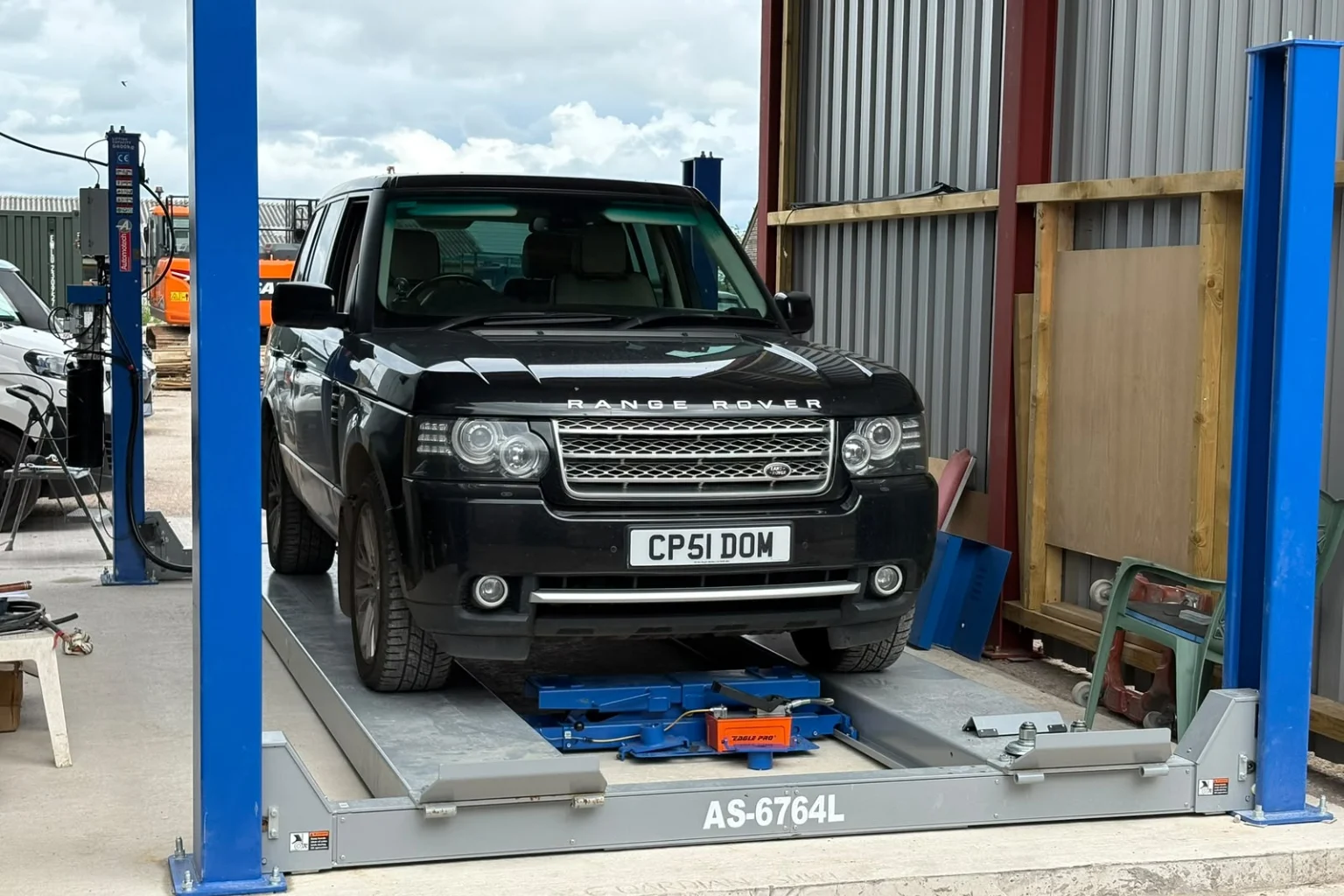
- Motorhomes and campervans, thanks to our 4-post lift rated to 6,400kg and 5.2m wheelbase
If you’re bringing in a larger vehicle, it’s worth checking our dedicated motorhome and commercial vehicle rust protection page first to confirm it fits our lift specifications before booking anything in.
A Straightforward Approach
We’re upfront with every customer about what their vehicle actually needs, rather than pushing a full treatment when a simple top-up would do, or downplaying a problem that will cost more to put right later. That approach has built a steady base of repeat customers from Middlewich over the years, many of whom now book in annually as a matter of routine rather than waiting for a problem to appear.
For anyone unsure whether their vehicle needs attention, a quick inspection is the easiest way to find out. Spotting surface corrosion early, before it spreads into structural areas, usually means a straightforward Lanoguard treatment is all that’s needed, rather than more extensive preparation work further down the line. Waiting until an MOT advisory flags a problem often means the corrosion has already progressed further than a routine top-up can properly address, making an early check well worth the small amount of time it takes.
Frequently Asked Questions
How far is Middlewich from your workshop? It’s a short, straightforward drive via the A54, well within what most local customers consider a normal trip for an annual treatment.
Does living near the canals actually make a difference to how quickly a vehicle rusts? Yes, in some cases. Additional moisture exposure from nearby waterways can add to the usual causes of corrosion, particularly for vehicles regularly parked or used near the water.
Can rust protection be applied to a vehicle with some existing corrosion? In most cases, yes. Surface rust is removed during our preparation process before Lanoguard is applied, though more heavily corroded areas may need additional attention, which we’ll flag during inspection.
How often should I have my vehicle treated? An annual top-up is generally recommended, particularly for vehicles used regularly through winter or parked outdoors between uses.
Do you treat commercial vans as well as private cars? Yes, we regularly treat vans and light commercial vehicles used for local trade, alongside private cars, 4x4s, and classics.
Is it worth getting a vehicle checked even if I haven’t noticed any rust? Yes. Corrosion often develops underneath before it becomes visible from a glance, particularly in areas like chassis outriggers and suspension mounting points. A proactive check ahead of winter tends to be more cost-effective than waiting for a problem to become obvious.
Can you advise on the best time of year to book? Late summer or early autumn is generally the best window, since it means your vehicle goes into winter already protected, rather than trying to book in once the colder, wetter months have already started and demand increases across the whole workshop.
Whatever you’re driving and wherever in Middlewich you’re based, rust protection Middlewich locals trust starts with getting your vehicle properly assessed. Get a free quote today, and we’ll advise honestly on what it actually needs.
See also: Rust Protection Cheshire: Areas We Cover | Motorhome Rust Protection & Commercial Vehicle Specialists | Lanoguard Treatment