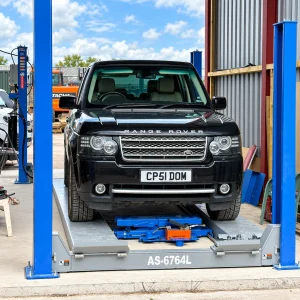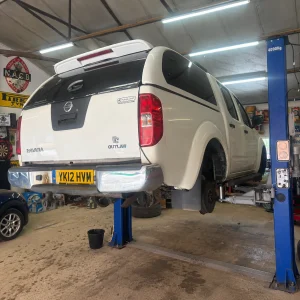
Rust does not wait around. Once it takes hold on a wheel arch, sill or chassis rail, it spreads quietly until a small patch becomes a much bigger repair bill. That is why so many drivers now search for laser rust removal near me before they even think about paint or bodywork. This guide walks through what the process actually involves, what to check before you book anywhere, and how it compares with other methods you might have heard of.
What laser rust removal near me actually means
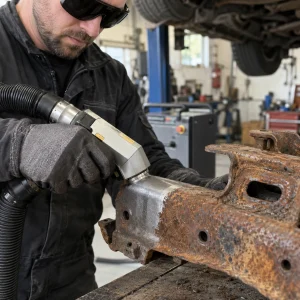
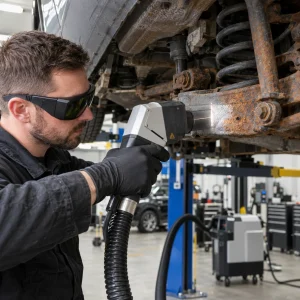
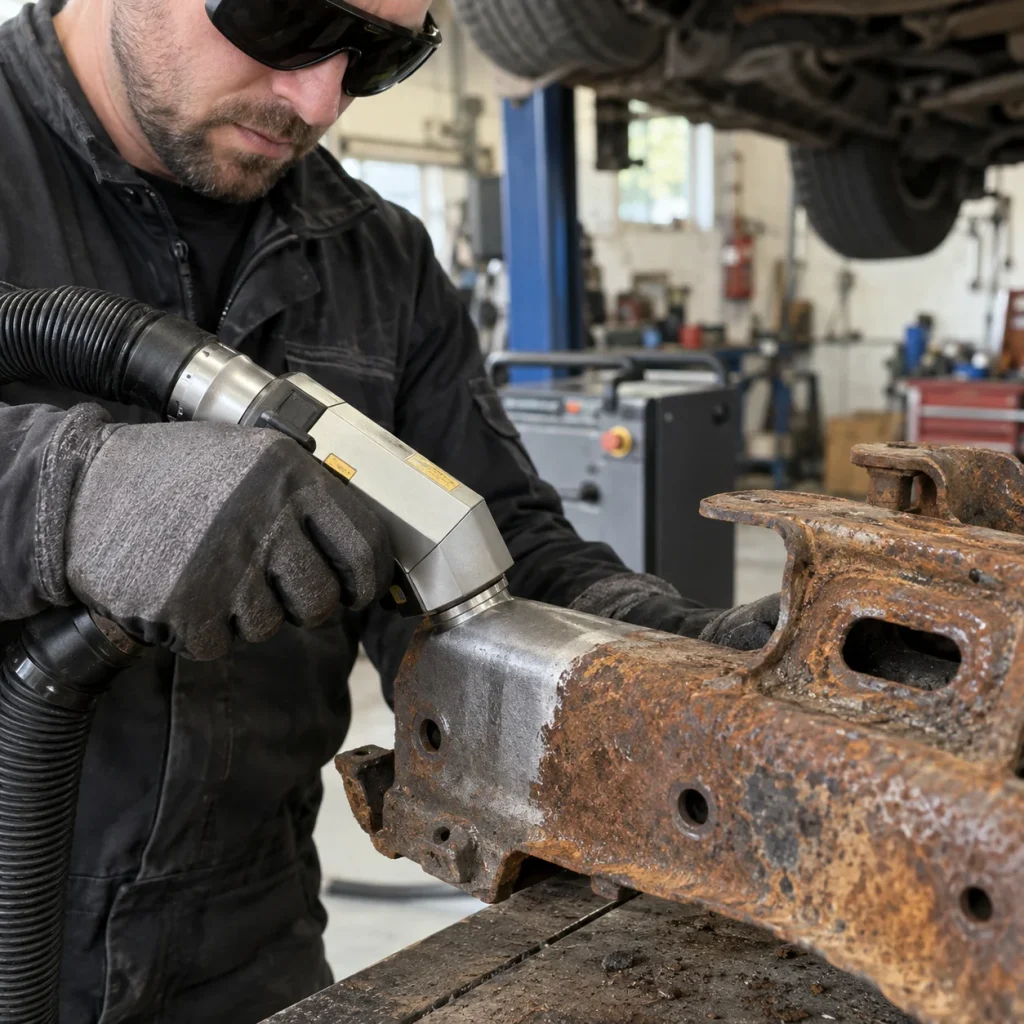
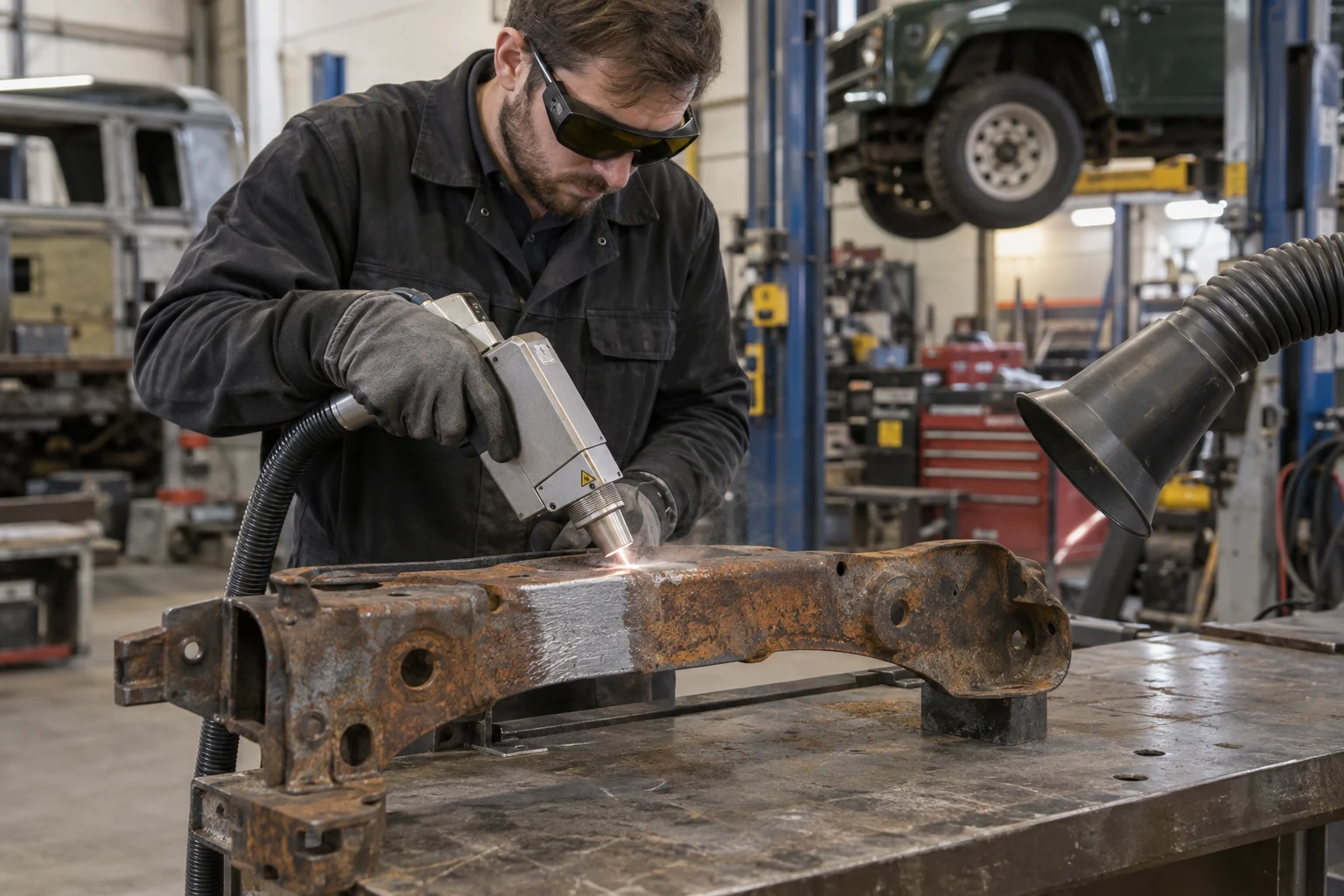
When people type laser rust removal near me into a search bar, they are usually looking for a local garage or specialist that can strip corrosion off metal without damaging the surface underneath. Laser rust removal uses a focused beam of light to burn away rust, paint or old coatings, leaving the bare metal ready for treatment. It is precise, controlled and does not involve grinding discs or harsh chemicals touching your bodywork.
The appeal is obvious once you understand how gentle the process can be compared with older techniques. Traditional methods often remove a thin layer of good metal along with the rust, which weakens panels over time. Laser treatment targets only the corroded layer, so the structure of your vehicle stays intact. That matters a great deal if you are trying to keep an older car roadworthy or protect a newer one from early corrosion.
How the process works step by step
A technician will usually start by assessing the affected area and checking how deep the rust has spread. Some spots are surface level, while others have eaten into the metal itself. The laser is then passed over the corrosion, vaporising it away without heating the surrounding panel to the point of warping. Once the rust is gone, the bare metal is usually treated with a protective coating to stop moisture getting back in.
This is where a proper car repair service becomes useful, since removing rust is only half the job. The metal needs sealing and protecting afterwards, or the problem will simply return within a year or two. A good provider will explain this to you clearly rather than just quoting a price for the laser work alone.
What to check before you book a laser rust removal near me appointment
Not every garage offering this service has the same standard of equipment or training. Before you commit, it is worth asking a few direct questions so you know exactly what you are paying for.
First, ask how long the technician has been working with laser equipment specifically. This is a specialised skill, and someone who has only just started using the machine may not judge depth and intensity as well as someone with years of practice. Second, ask whether they offer a written quote before starting work, including what happens if they find more extensive corrosion once they begin. Rust often hides beneath paint, so a fair provider should explain how pricing might change if the damage is worse than first thought.
Third, ask what protective treatment follows the rust removal itself. If a company cannot answer this clearly, that is a warning sign. Removing rust without sealing the metal afterwards is a bit like patching a leaky roof without checking the guttering. It might look fine for a while, but the underlying issue will return.
Comparing laser treatment with ice blasting
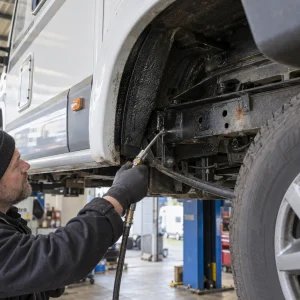
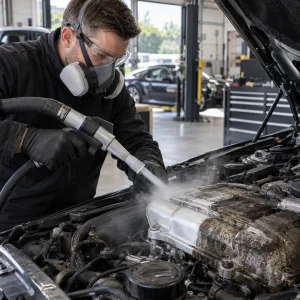
Laser removal isn’t the only modern option. Some specialists use ice blasting treatment instead, which fires tiny ice particles at the surface to strip away rust, grime and old coatings. This method is particularly good for reaching into awkward areas such as chassis rails and box sections, where a laser might struggle to get a clear line of sight.
Ice blasting is also kinder to nearby rubber seals, wiring, and plastic trim, since the ice melts on contact rather than generating heat. Laser treatment, by comparison, tends to work best on flatter panels where the beam can be aimed directly at the corrosion. Many garages actually use both methods depending on where the rust sits on the vehicle, so it is worth asking which technique suits your specific problem rather than assuming one method fits every job.
Media blasting, which uses sand or soda particles, is another option you might come across, though it can be more abrasive and less suited to delicate areas. Understanding these differences helps you ask better questions when you call around for quotes.
Pricing, turnaround times and what counts as fair value
Cost is naturally one of the first things people want to know when searching for laser rust removal near me, but price alone does not tell you much without context. A very cheap quote might mean corners are being cut on the protective sealing stage, while a very expensive one should come with a clear explanation of why the job takes longer or requires more skilled labour.
Turnaround time also varies depending on how much rust needs treating and how accessible the area is. A small patch on a door sill might take an hour or two, while a full chassis treatment could take a full day or longer. Ask for a realistic timeframe before you book, and be wary of anyone promising an unusually fast job on extensive corrosion, since rushing this kind of work often leads to patches being missed.
At Guardian Shield, we find that customers appreciate a clear breakdown of costs before any work begins, so there are no surprises when the invoice arrives. A transparent provider will happily walk you through each stage of the process rather than leaving you guessing.
Questions worth asking every provider
Before you hand over your keys, it helps to have a short checklist ready. Ask whether they have photographs of previous jobs similar to yours. Ask how they handle rust that turns out to be worse than expected once they start. Ask what warranty or guarantee applies to the finished work, and for how long. Finally, ask what maintenance you should carry out afterwards to keep the treated area rust-free for as long as possible.
These questions apply whether you are booking laser treatment, ice blasting, or a combination of both. A provider who answers confidently and clearly is usually one who takes the process seriously, rather than treating it as a quick add-on to other bodywork.
FAQs
Is laser rust removal safe for all types of vehicles?
Yes, in most cases it is safe for a wide range of cars and vans, though the technician should always assess the specific metal and paint type first. Some older vehicles with thinner panels may need a gentler setting to avoid any risk of warping, so it is worth mentioning your vehicle’s age and history when you book.
How long does laser rust removal usually last?
With proper sealing and protection applied afterwards, the treated area can stay rust-free for several years. How long it lasts depends heavily on how the vehicle is used, how often it is exposed to salted roads, and whether the protective coating is maintained over time.
Can laser treatment fix rust that has already caused holes?
Laser removal is excellent for clearing surface and moderate corrosion, but if rust has eaten right through the metal, you will likely need a repair or patch alongside the treatment. A good technician will tell you honestly if welding or panel replacement is needed rather than just lasering over a hole.
Do I need to prepare my car before the appointment?
A quick wash beforehand helps the technician see the rust clearly and assess the job properly. Beyond that, most garages will handle the preparation themselves once your car arrives, including masking off any areas that do not need treatment.
Rust does not have to mean the end of a panel or the start of an expensive repair bill. Whether you choose laser treatment, ice blasting, or a mix of both depending on where the corrosion sits, the key is choosing a provider who explains the process honestly and protects the metal properly once the rust is gone. If you would like to see real examples of finished work or read more detail on the methods we use, our blog covers plenty of practical advice, and our FAQs page answers many of the smaller questions that come up along the way.
If you are ready to sort out rust before it spreads any further, get in touch through our contact us page, or head straight to our booking page to arrange a time that suits you. Guardian Shield is here to help keep your vehicle protected for the long term, one panel at a time.