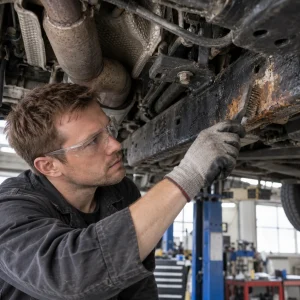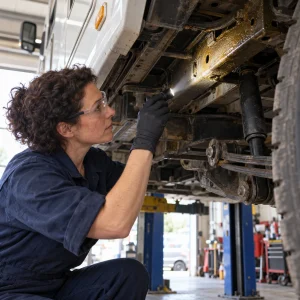
Rust is one of the biggest threats to any motorhome, and if you own one, you will already know how much it costs to replace or repair once corrosion sets in. At Guardian Shield, we spend a lot of time talking to owners about how to keep their chassis, suspension and underbody in good shape for years to come. This article looks at one of the most talked-about treatments in the industry: dry ice blasting, and how it fits into long-term rust prevention for motorhomes.
Why motorhome rust protection matters so much
Motorhomes spend a lot of time parked up, sometimes for weeks at a stretch, and often in damp conditions. Moisture gets trapped underneath, road salt builds up on the chassis, and small stone chips expose bare metal to the air. Once rust starts, it spreads quickly if you don’t act. That is why you should consider motorhome rust protection early, rather than after the first orange patches appear on the frame.
A motorhome is a big investment, and the chassis is the part that holds everything together, quite literally. If the frame weakens through corrosion, it can affect the safety of the whole vehicle, not just the way it looks. Many owners only think about protection once they spot a problem, but treating the metal before rust takes hold is far cheaper and far less stressful than sorting it out afterwards.
Products such as lanolin based rust treatments work by forming a barrier that keeps moisture and salt away from bare metal. Lanolin is a natural substance found in sheep’s wool, and it has been used for years to stop metal corroding because it does not dry out or crack the way some other coatings can. It stays slightly soft, which means it keeps working its way into small gaps and seams where rust likes to start.
What dry ice blasting motorhome rust removal actually involves
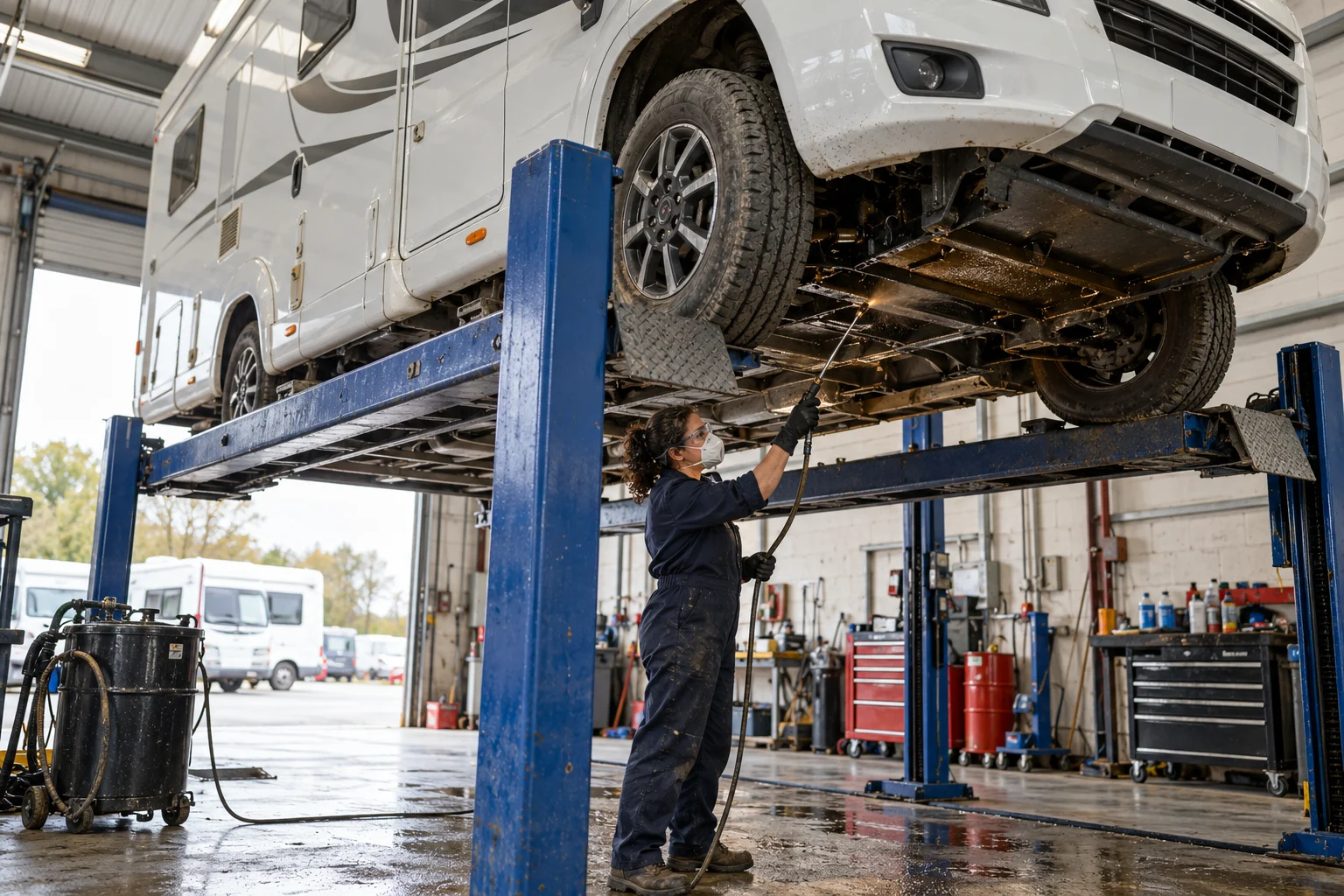
Before any protective coating goes on, the metal underneath needs to be clean. This is where dry ice blasting comes in. It is a method that uses small pellets of solid carbon dioxide, fired at the surface under pressure. When the pellets hit the metal, they turn straight into gas, and this sudden change lifts dirt, grease, old wax and surface rust away from the chassis without damaging the metal itself.
Dry ice blasting motorhome rust removal has become popular because it reaches into places that are hard to clean by hand, such as chassis rails, wheel arches and suspension mounts. Traditional cleaning methods like wire brushing or sanding can miss these tight spots, and they can also wear away good metal along with the rust. Because dry ice sublimates on contact, there is no secondary waste to clean up afterwards, which makes the whole process quicker and tidier.
Once the surface has been cleaned this way, it is in the best possible condition to accept a rust-proofing treatment. Applying a coating to metal that still has grease or loose rust on it means the coating cannot bond properly, and it will fail much sooner than it should. This is why many specialists recommend dry ice blasting as a preparation step before applying something like underbody rust protection designed for long-term use.
How the two treatments work together
Cleaning and protecting are two separate jobs, but they need to happen in the right order for either to be worth doing. Think of it a bit like painting a wall. If you paint over dirt and flaky old paint, the new coat will peel off within months. The same logic applies to a motorhome chassis. Dry ice blasting strips away the years of grime and loose corrosion, and then a protective layer can be applied to metal that is properly clean and dry.
Lanolin-based treatments are popular because they penetrate into seams, bolts and folded metal sections where rust often starts unseen. Once applied, the coating keeps working for a long period, and it can be topped up rather than fully stripped and redone each time. This makes it a practical choice for motorhome owners who want to protect their vehicle without needing a full treatment every single year.
Some owners ask whether protection is really needed if their motorhome looks fine on the surface. The truth is that rust often starts from the inside of box sections or underneath layers of old underseal, long before it becomes visible. Reading more about vehicle rust protection methods can help explain why prevention matters even when a motorhome seems to be in good condition.
Suspension and chassis components need attention too
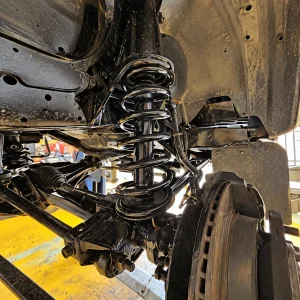
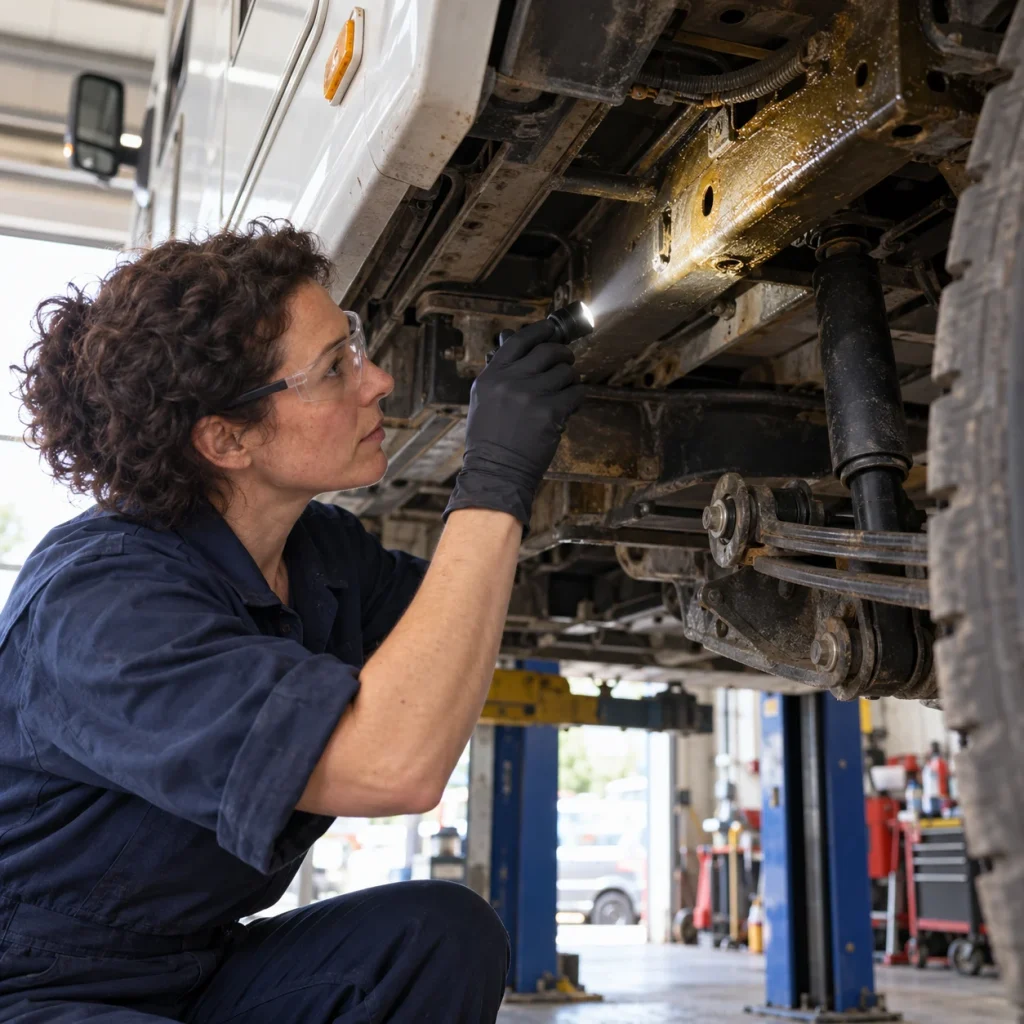
It is easy to focus only on the big flat sections of the chassis, but suspension components are just as much at risk. Springs, shock mounts and brackets are often exposed to spray from the road, and they flex constantly, which can crack old coatings and expose bare metal underneath. Once corrosion sets into these moving parts, it can affect handling and safety, not just the way the vehicle looks.
Treating these areas properly means using a product that can reach into moving joints without stiffening them up or attracting more dirt. This is one of the reasons lanolin-based products are so widely used, since they stay flexible rather than forming a hard shell that can crack under movement. Learning more about how chassis protection protects suspension parts from corrosion is a good place to start if you want to understand why these areas deserve just as much care as the main frame.
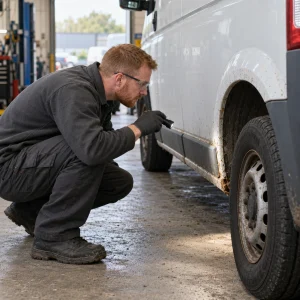
Regular checks matter here too. A quick look underneath every few months, especially after winter driving, can catch early signs of rust before they become a bigger job. Owners who combine visual checks with a proper treatment plan tend to get many more years out of their chassis than those who wait until a problem is obvious.
Getting motorhome rust protection done locally
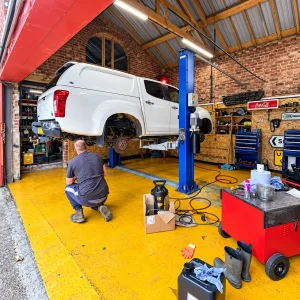
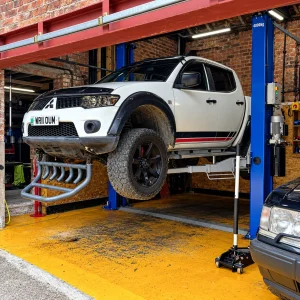
One thing we hear often from owners is that they want the work done properly, by people who understand motorhomes specifically rather than general vehicle servicing. Motorhomes have larger, heavier frames than most cars, and they often have extra brackets and fittings for awnings, storage boxes and water tanks, all of which need careful attention during treatment.
If you are based in the North West, it is worth looking at options for rust protection in Cheshire where specialists can carry out both the cleaning and coating stages in one visit. Having the dry ice blasting and the lanolin treatment done together, rather than as separate jobs with different providers, tends to give a better result because the timing between cleaning and coating is kept as short as possible.
At Guardian Shield, we always recommend asking a few simple questions before booking any treatment. Ask what cleaning method will be used before the coating goes on, ask how long the coating is expected to last, and ask whether suspension components and box sections will be included as part of the job. A good provider will be happy to explain their process in plain terms.
FAQs
How often should a motorhome have rust protection treatment?
Most owners find that a fresh coating every one to two years keeps the chassis well protected, though this can depend on how much the motorhome is used and where it is stored. Vehicles kept near the coast or driven in winter conditions may need more frequent attention.
Is dry ice blasting safe for older motorhome chassis?
Yes, dry ice blasting is generally gentle on metal because it does not involve abrasive grit or high heat. It lifts dirt and surface rust without wearing away sound metal, which makes it a sensible choice even for older frames that need careful handling.
Can I apply rust protection myself at home?
Some products are available for home use, but proper preparation is difficult without the right equipment. Getting the surface fully clean first makes a big difference to how long the treatment lasts, so many owners choose to have both stages done by someone with the right tools.
Does rust protection affect the motorhome’s warranty or resale value?
Rust protection does not usually affect a warranty, and in most cases it helps resale value since buyers are reassured by evidence of proper chassis care. Keeping records of when treatments were carried out is a good habit to get into.
Looking after the chassis and suspension of a motorhome does not need to be complicated, but it does need to be done in the right order and at the right time. Cleaning thoroughly, protecting properly, and checking regularly will keep corrosion away for many years and save a great deal of money in the long run.
If you would like to talk through the best plan for your own vehicle, get in touch with the team at Guardian Shield, and we will help you find the right next step for keeping your motorhome safe from rust.