How to Spot Early Signs of Rust and Use Lanoguard for Reliable Vehicle Rust Prevention
Keeping a vehicle in great shape goes far beyond the engine, tyres, and paintwork. One of the most overlooked yet crucial aspects is the underside. Rust corrosion on the underbody can sneak up slowly, triggering costly damage that reduces vehicle life, ruins resale value, and threatens safety. That’s why we keep a close eye on every corner of our chassis and treat it early.
Road conditions across the UK make this an essential habit. Between constant rain, road salt in winter, and fluctuating temperatures, our vehicles are exposed to the perfect recipe for corrosion. Luckily, modern options like Lanoguard offer an easy and long-lasting way to handle vehicle rust prevention before it leads to major problems.
Spotting the Trouble Early: Key Signs of Underbody Rust
You don’t need to wait until your vehicle fails an MOT. The earlier you notice rust signs, the easier and cheaper it is to address them.
What Does Early Rust Look Like?
There are small warning signs that show your vehicle may be at risk for rust. Keep an eye out for:
- Reddish or brown patches around joints, nuts, or bolts
- Bubbling or flaky paintwork, which may look like small blisters or cracks
- A rough feel to what should be smooth metal
- Wet spots under the vehicle, especially if they take too long to dry
These signs usually appear around the wheel arches, chassis rails, and suspension mounts. It’s worth running a cloth along these areas when cleaning. If rust comes off as dust, it’s time to act quickly.
Inspect after bad weather, too. If salt or road grit stays on your vehicle for too long, it can quietly break down protective coatings and start eating into the metal.
Where Rust Likes to Hide
Not every rust patch is easy to see. Some of the high-risk rust zones include:
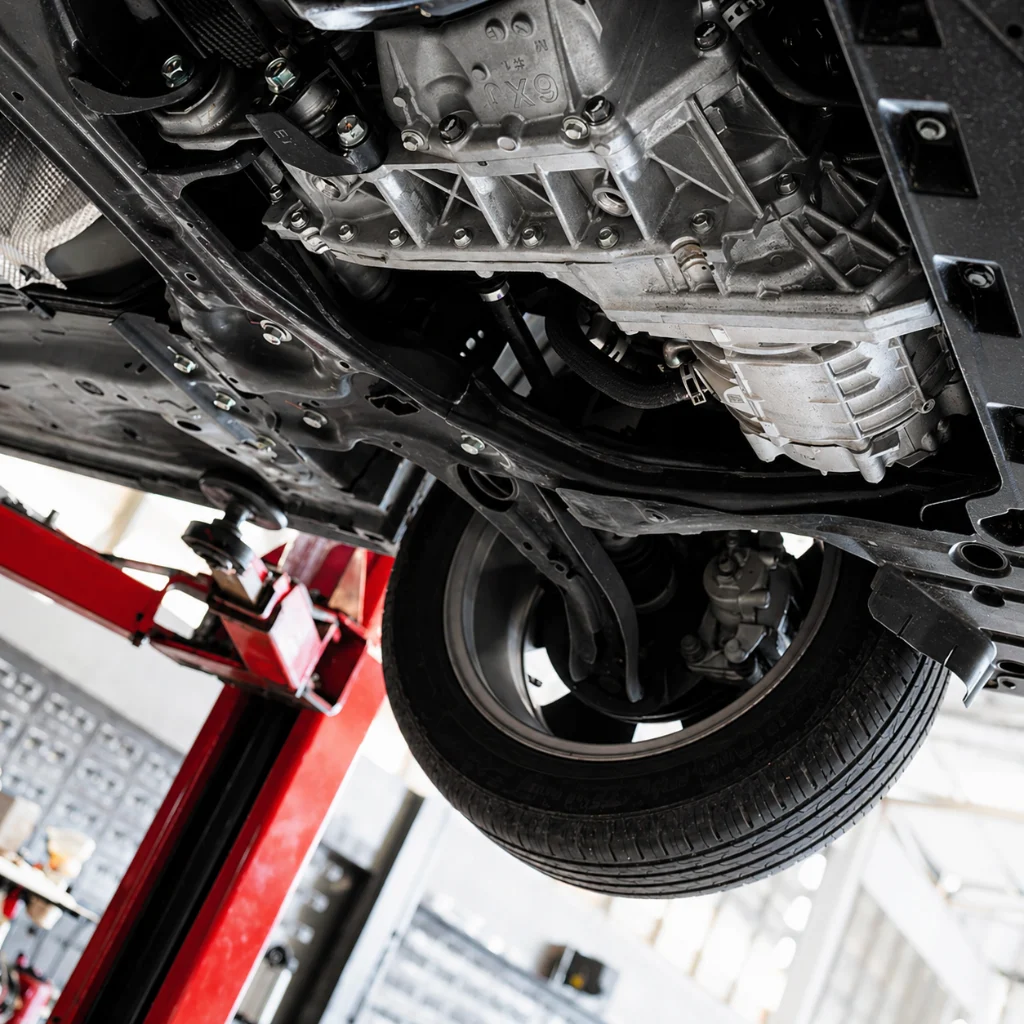
- Vehicle chassis and framework: Often left filthy and unprotected after months of driving through rain or mud
- Wheel arches and sills: Easily exposed to water spray and road salt
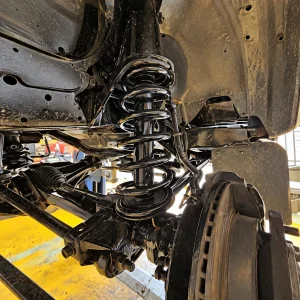
- Suspension and mounting points: These parts handle constant stress and collect grime from the road
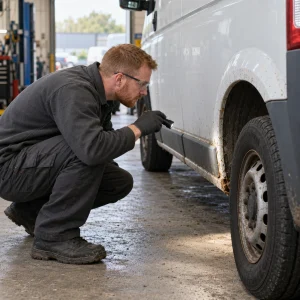
Regular underbody checks will save you money and effort when it’s time for servicing. Performing these inspections can stop a bad problem from forming in the first place.
The Root Causes: How Corrosion Starts
To treat rust right, it’s important to understand why it starts in the first place.
Everyday Conditions That Lead to Corrosion
Rust doesn’t need special circumstances. The roads we travel on, the seasons we drive through, and the air we breathe all play a part.
- Road salt, used in winter, reacts with metal and rapidly speeds up oxidation
- Moisture and humidity sit on metal and slowly erode any unprotected surface
- Temperature change causes condensation, especially on cold chassis rails under a warm engine
We also cause our own problems without realising. Stone chips, scratches or accidental scrapes expose bare metal, providing an open invitation to rust. Even the small grit and dirt building up under the car can hold moisture against the frame for longer than you’d think.
Where Most Protection Solutions Fall Short
Why Traditional Options Don’t Always Work
We’ve seen our share of wax underseals and hard-paint coatings on vehicles. They work well at first, but often don’t go the distance.
- Paint flakes or cracks with age
- Thick coatings stiffen and break after a few seasons
- Grease-based products lose strength once salt builds up
The worst part? If the surface already has a bit of rust, these methods don’t always stick. They could even trap moisture underneath, making corrosion worse.
Maintenance Stress and Limits
Older methods often need time-consuming preparation. Scraping, sanding, drying, applying layers, and doing it again next year. Many don’t penetrate where corrosion has already begun, which makes them more like a bandage than a fix.
That’s where we looked for something smarter and easier, one that would fit both our schedule and our climate.
The Lanoguard Solution: Smart Vehicle Rust Prevention That Lasts
Lanoguard is our go-to product for reliable, low-hassle chassis care. It’s made from lanolin (a type of natural grease from wool), and it’s designed to do things other rust treatments simply can’t.
How Lanoguard Works
- Soaks into existing rust to block moisture and air
- Binds strongly to metal surfaces
- Forms a flexible coating that resists cracking, flaking or melting
- Can be applied even if a surface isn’t spotless
It’s not just a barrier either. Lanoguard actively pushes moisture out from the metal underneath, creating a seal that protects over the long term.
All-Season and All-Area Performance
We use this for vehicle rust prevention on all kinds of jobs, from everyday cars to off-roaders and campervans. Whether you drive through sea salt spray or clay-filled farm lanes, Lanoguard holds up.
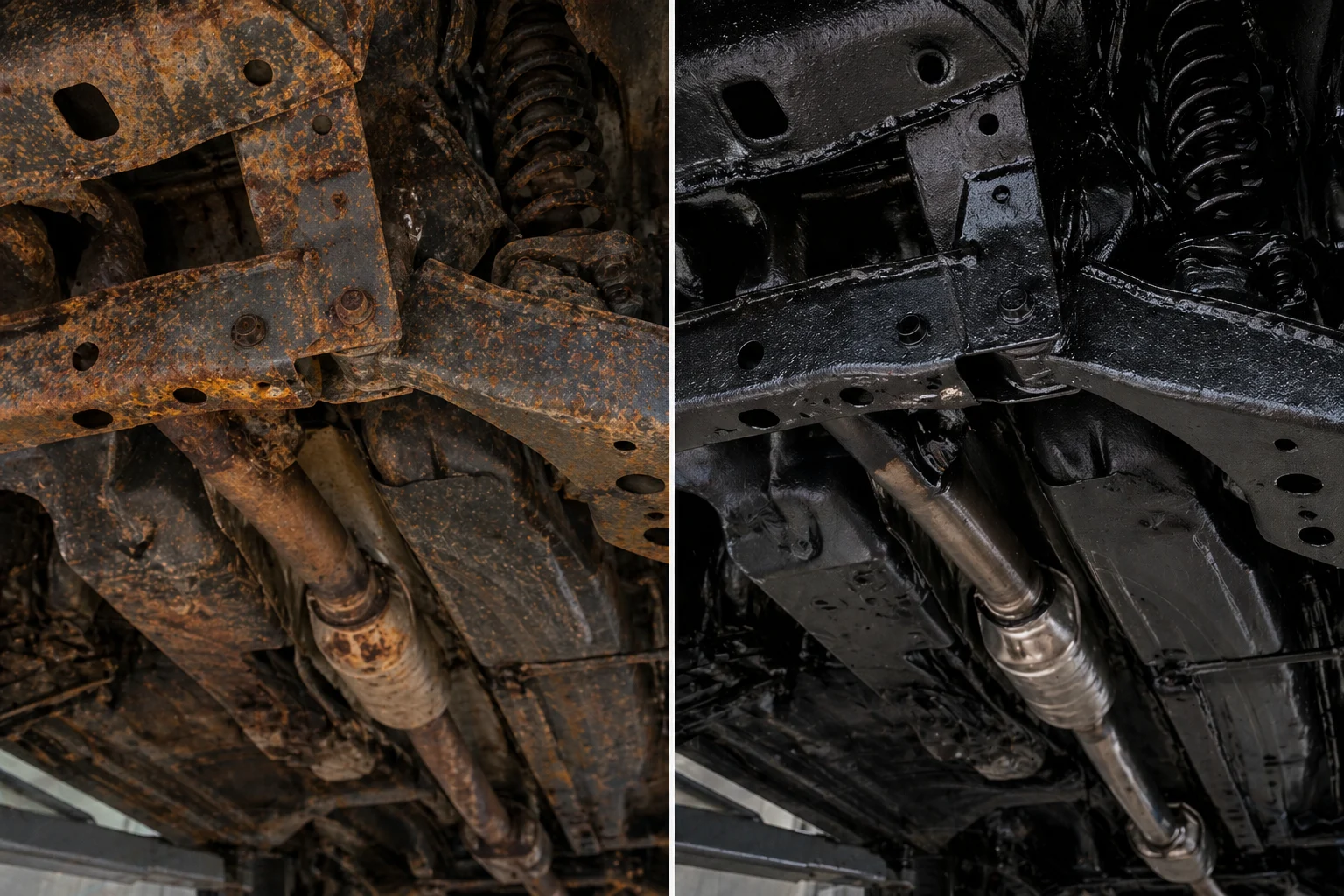
Its ability to handle heat, salt, pressure and vibration means we can trust it to last, and it still looks great. The result is a clean, dark “wet look” finish that makes it easier to see what’s going on under the vehicle during inspections.
Easy, DIY-Friendly Application
You don’t need loads of prep tools. Lanoguard can be sprayed directly on without stripping down parts or cleaning to bare metal. It sticks even during damp weather or colder months, which is when rust protection is most needed.
You can use it on:
- Chassis and subframes
- Brake lines, bolts and fixings
- Metal and rubber parts under the car
- Suspension arms
Whether you’re doing a full underbody treatment or just topping up key areas, the spray application keeps things quick, tidy and stress-free.
Real Results: How Other Drivers Use Lanoguard
Those who’ve tried Lanoguard usually don’t look back. Feedback and photos show vehicles with underside protection that still looks fresh after twelve months, even in harsh environments.
- Off-roaders dealing with constant water crossings and wet terrain
- Delivery vehicles working long hours across salted city roads
- Campervans are parked all year round near the coast
Many users now make Lanoguard part of their vehicle care cycle, slotting it into their yearly service plan just like replacing oil or changing tyres.
If you’ve got multiple vehicles, you can make it part of your maintenance schedule and keep your garage rust-free year-round. Just check out our FAQs or drop us a message on our Contact Us page if you’ve got any questions about fit, timing or reapplication.
Regular Checks Are Key for Underbody Rust Protection
Even with a strong product like Lanoguard in place, keeping an eye on vehicle condition makes all the difference. We recommend:
- Quick visual underbody checks every two or three months
- Spot treatments for any new scrapes or exposed metal
- Full respray once a year, depending on use (especially if you drive off-road)
If you need a complete job done fast and well, you can always head over to our Lanoguard Treatment service. Our Guardian Shield team applies it correctly and covers even the trickiest areas.
We also offer Car Repairs if any rust needs cutting out or fixing before protection begins.
Book a Slot or Ask Us a Question
The worst part about rust is that it grows faster when ignored. It’s always cheaper and easier to deal with small rust now than replace corroded parts later.
You can book straight into our diary on the Booking page or reach out with a question. Whether it’s a full vehicle treatment, a spot-check, or just some advice, we’re here to help you protect your investment.
Rust doesn’t wait, and in the UK, it can form quicker than most drivers expect. By catching early signs like bubbling or flaking paint, checking high-risk zones near the chassis and suspension, and using a proper treatment like Lanoguard, you hold off serious underbody decay for years.
Our team at Guardian Shield has seen what happens when rust sneaks in, and we’re on a mission to help others avoid it. Vehicle rust prevention should be simple, durable, and doable by anyone, and with the right tools, it is.
Book your underbody protection today or ask us how to get started. Let’s keep your vehicle running strong, safe, and rust-free where it matters most.